Tesla Powerwall 3 vs EcoFlow DELTA Pro Ultra: Which Home Battery Is Right for You?
Tesla Powerwall 3 vs EcoFlow DELTA Pro Ultra compared on capacity, output, scalability, installation, and price. Find out which home battery fits your needs.
As an affiliate, we earn from qualifying purchases. This does not affect our editorial independence.
Pros
- ✓EcoFlow scales to 90 kWh (vs Tesla's 54 kWh max)
- ✓Both use long-lasting LiFePO4 battery chemistry
- ✓Tesla includes a built-in solar inverter with 6 MPPTs
- ✓EcoFlow offers 0 ms UPS transfer time for instant backup
- ✓EcoFlow's modular design allows DIY-friendly installation
- ✓Tesla's 10-year warranty is double EcoFlow's 5-year coverage
Cons
- ✗Tesla requires professional installation (adds $2,000-4,000)
- ✗EcoFlow's 5-year warranty is short for a home battery system
- ✗Tesla's base capacity (13.5 kWh) costs more per kWh than EcoFlow
- ✗EcoFlow's fully expanded system is extremely expensive
Head-to-Head Comparison
| Tesla Powerwall 3 | EcoFlow DELTA Pro UltraOur Pick | |
|---|---|---|
| Capacity | 13.5 kWh | 6.1 kWh per battery (up to 90 kWh) |
| Output | 11.5 kW continuous | 7,200W per inverter (up to 21.6 kW) |
| Battery | LiFePO4 | LiFePO4 |
| Solar Input | 20 kW DC (6 MPPTs) | 5,600W per inverter |
| scalability | Up to 4 units (54 kWh) | Up to 3 inverters + 15 batteries (90 kWh) |
| Weight | 291.2 lbs | 111.8 lbs per battery + 70 lbs inverter |
| Warranty | 10 years | 5 years |
| Price | ~$9,200 (installed) | ~$5,799 (base kit) |
| — | Check Price |
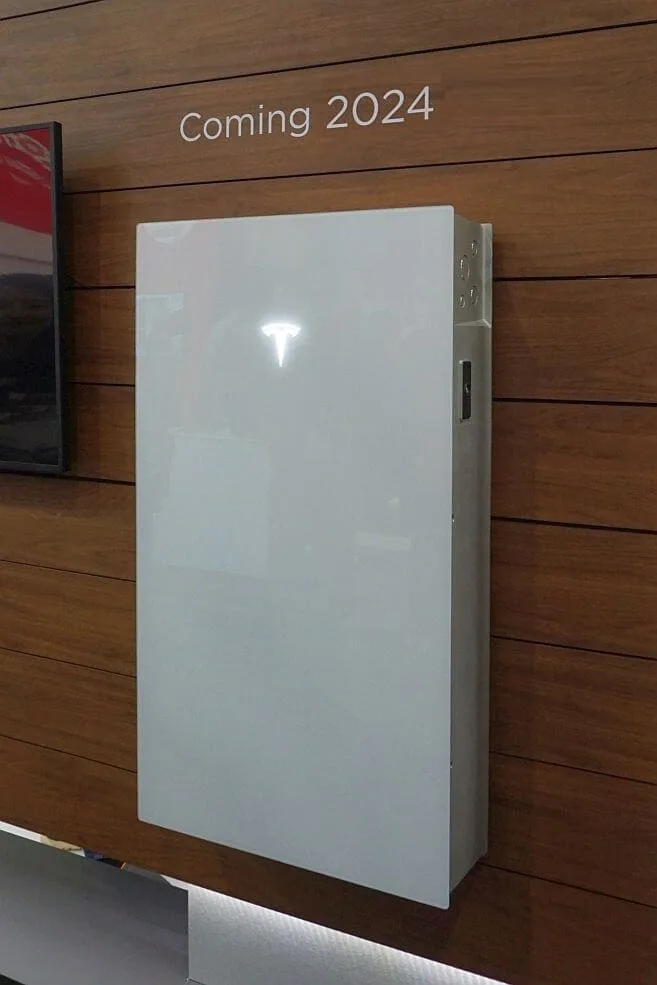
The Tesla Powerwall 3 (13.5 kWh, ~$9,200 installed) and EcoFlow DELTA Pro Ultra (6.1 kWh base, expandable to 90 kWh) represent two very different approaches to home energy storage. Tesla offers a polished, professionally installed system with a built-in inverter. EcoFlow provides modular scalability and DIY-friendly setup at a lower entry price.
Two Philosophies for Home Battery Storage
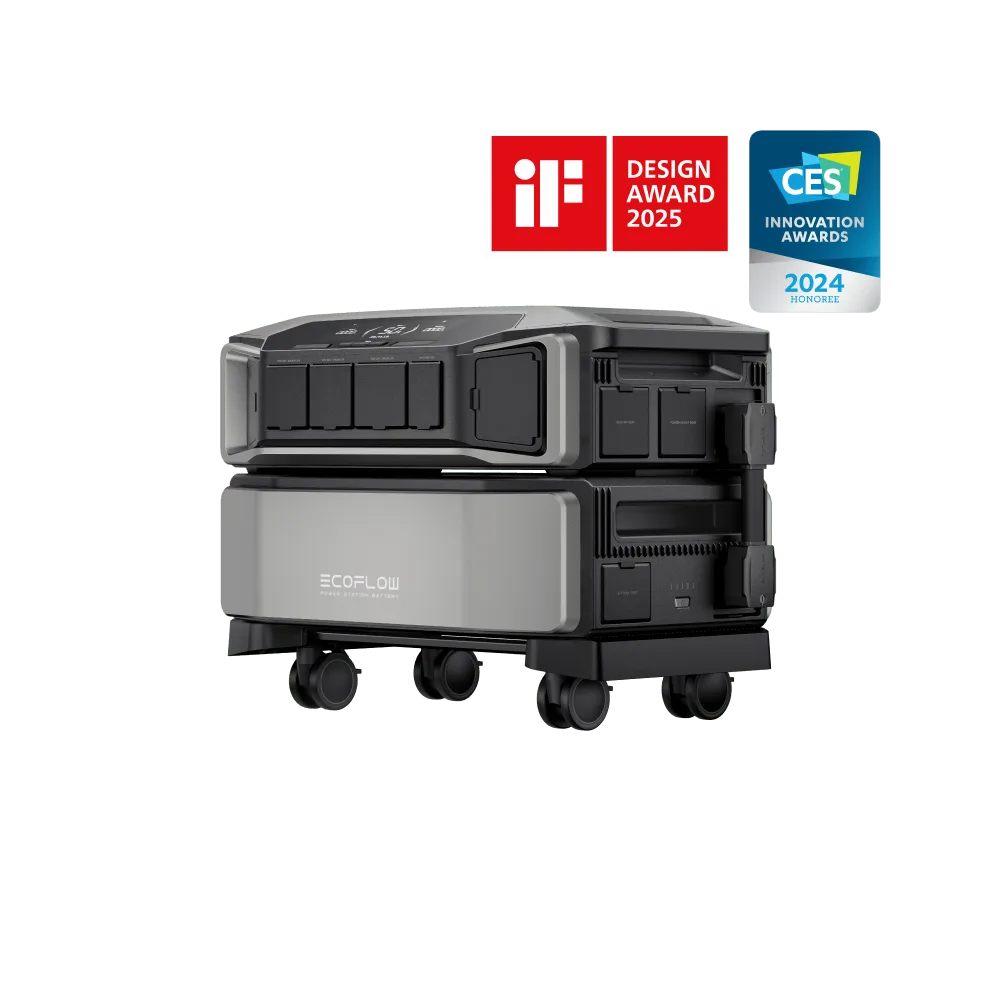
The Tesla Powerwall 3 and EcoFlow DELTA Pro Ultra are both serious home battery systems, but they come from different worlds. Tesla built the Powerwall as a fully integrated, professionally installed appliance. EcoFlow designed the DELTA Pro Ultra as a modular, expandable system that homeowners can set up and grow over time.
Both use LiFePO4 battery chemistry. Both can back up your entire home during outages. But their design approaches, pricing models, installation requirements, and scalability paths are fundamentally different.
If you are shopping for whole-home battery backup, this is likely one of the first comparisons you will make. Here is how they stack up across every category that matters.
Specs Comparison Table
| Feature | Tesla Powerwall 3 | EcoFlow DELTA Pro Ultra |
|---|---|---|
| Base Capacity | 13.5 kWh | 6.1 kWh per battery |
| Max Capacity | 54 kWh (4 units) | 90 kWh (15 batteries) |
| Continuous Output | 11.5 kW | 7,200W per inverter (21.6 kW with 3) |
| Surge Output | Not specified | 10,800W per inverter |
| Battery Type | LiFePO4 | LiFePO4 |
| Solar Input | 20 kW DC (6 MPPTs) | 5,600W per inverter |
| Built-in Inverter | Yes (hybrid solar + battery) | Yes (battery inverter only) |
| UPS Transfer Time | ~20 ms | 0 ms |
| Weight | 291.2 lbs (single unit) | 70 lbs (inverter) + 111.8 lbs (per battery) |
| Installation | Professional required | DIY-friendly |
| Warranty | 10 years | 5 years |
| Starting Price | ~$9,200 (installed) | ~$5,799 (inverter + 1 battery) |
Which Has More Usable Capacity?
The Powerwall 3 starts with 13.5 kWh in a single unit. According to Tesla's official specs, you can stack up to four Powerwalls for a maximum of 54 kWh. That is enough to run most homes for one to two full days during an outage.
The DELTA Pro Ultra takes a different approach. Each battery module holds 6,144Wh (roughly 6.1 kWh), and you can connect up to five batteries per inverter. With three inverters and 15 batteries, the system tops out at 90 kWh, per EcoFlow's product page. That is nearly double Tesla's maximum.
For most homeowners, the Powerwall's 13.5 to 54 kWh range covers typical needs. But if you have a large home, run energy-intensive equipment, or want multi-day outage protection, the DELTA Pro Ultra's 90 kWh ceiling gives you more room.
Winner: EcoFlow DELTA Pro Ultra. Higher maximum capacity and more granular scaling options.
How Much Output Power Do You Get?
A single Powerwall 3 delivers 11.5 kW of continuous AC output. That is enough to run central air conditioning, an electric dryer, a water heater, and multiple appliances simultaneously. Tesla's output is notably strong for a single-unit system.
The DELTA Pro Ultra produces 7,200W continuous per inverter with 10,800W surge capability. A single inverter falls short of the Powerwall's output, but adding a second or third inverter brings total continuous output to 14.4 kW or 21.6 kW respectively.
If you need maximum power from a single unit with minimal complexity, the Powerwall wins. If you want the option to scale beyond 11.5 kW, the DELTA Pro Ultra's multi-inverter architecture gets you there.
Winner: Tesla Powerwall 3 for single-unit output. EcoFlow for maximum scalable output.
What About Solar Integration?
This is where the Powerwall 3 shows its biggest design advantage. It includes a full hybrid solar inverter with six MPPT channels and 20 kW of DC solar input capacity. You can wire your rooftop solar panels directly to the Powerwall, eliminating the need for a separate solar inverter. That simplifies your system and reduces total hardware costs.
The DELTA Pro Ultra's inverter handles battery power only. Solar input maxes out at 5,600W per inverter through DC connections. For a full solar installation, you will still need a separate solar inverter for your roof panels, or you can connect EcoFlow's own solar panels directly.
If you are installing a new solar system alongside your battery, the Powerwall's integrated inverter saves both money and complexity. If you already have a solar setup with its own inverter, this advantage is less relevant.
Winner: Tesla Powerwall 3. The integrated hybrid inverter is a genuine design advantage.
How Easy Is Installation?
The Powerwall 3 requires a Tesla Certified Installer. This means scheduling a professional installation, which typically costs $2,000 to $4,000 on top of the unit price. The upside is a clean, code-compliant installation backed by Tesla's warranty. The downside is cost and scheduling delays, especially in high-demand markets.
The DELTA Pro Ultra was designed for homeowner installation. The inverter and battery modules connect with plug-in cables, and the system can be placed indoors without permanent wall mounting. EcoFlow includes a transfer switch for whole-home backup, though connecting that switch to your breaker panel may still require an electrician.
For renters or homeowners who want a system they can take with them when they move, the EcoFlow's portability is a real advantage. The Powerwall is a permanent home fixture.
Winner: EcoFlow DELTA Pro Ultra. Lower installation barrier and portability.
How Do Warranty and Long-Term Value Compare?
Tesla offers a 10-year warranty on the Powerwall 3, guaranteeing at least 70% capacity retention. For a home battery system expected to last 15 to 20 years, a decade of warranty coverage provides meaningful peace of mind.
EcoFlow's DELTA Pro Ultra comes with a 5-year warranty. That is standard for EcoFlow's product line but short compared to established home battery competitors. For a system that costs several thousand dollars and is meant to protect your home, five years feels thin.
On a cost-per-kWh basis, the DELTA Pro Ultra starts lower. The base kit (one inverter plus one battery) runs roughly $5,799 for 6.1 kWh. The Powerwall 3 costs approximately $9,200 installed for 13.5 kWh. Per kilowatt-hour, the Powerwall comes to about $681/kWh while the DELTA Pro Ultra's base kit works out to roughly $950/kWh. However, adding more EcoFlow batteries becomes progressively cheaper per kWh, and the total installed cost avoids the professional installation markup.
Winner: Tesla Powerwall 3 on warranty. EcoFlow on entry price and flexibility.
Who Should Buy Which?
Choose the Tesla Powerwall 3 if you:
- Are installing a new solar system and want an integrated inverter
- Value professional installation and a clean, permanent setup
- Want a 10-year warranty for peace of mind
- Need strong single-unit output (11.5 kW) without stacking multiple devices
- Plan to stay in your home long-term
Choose the EcoFlow DELTA Pro Ultra if you:
- Want to start small and expand your system over time
- Prefer DIY installation without scheduling a certified installer
- Need maximum scalability (up to 90 kWh)
- Want 0 ms transfer time for true uninterrupted power
- Might move and want to take your battery system with you
- Need more than 11.5 kW of output from a multi-inverter setup
Both systems protect your home during outages and store solar energy effectively. The Powerwall is the refined, all-in-one choice. The DELTA Pro Ultra is the flexible, scalable alternative. For a broader look at what is available, see our best power station for home backup roundup. If you are also considering portable options, our how to choose a portable power station guide explains how smaller units can complement a home battery system. And for homeowners exploring the full EcoFlow ecosystem, check out our EcoFlow DELTA 2 Max review to see how their portable units compare.
Frequently Asked Questions
Can the Tesla Powerwall 3 and EcoFlow DELTA Pro Ultra work with existing solar panels?
Yes, both can work with existing solar installations. The Powerwall 3 can either connect to your existing solar inverter on the AC side, or replace it entirely with its built-in 20 kW DC inverter. The DELTA Pro Ultra accepts DC solar input up to 5,600W per inverter and works alongside any existing grid-tied solar inverter.
Which system handles power outages better?
The EcoFlow DELTA Pro Ultra has a 0 ms UPS transfer time, meaning connected devices experience zero interruption during a grid failure. The Powerwall 3 has a brief transfer delay (typically under 20 ms), which is fast enough that most devices will not notice. For sensitive electronics like servers or medical equipment, the EcoFlow's instant switchover is the safer choice.
Is the EcoFlow DELTA Pro Ultra really DIY installable?
The base system (inverter and batteries) is plug-and-play. You connect the battery modules to the inverter with included cables and plug the system into a standard outlet for charging. However, connecting the transfer switch to your home's electrical panel for whole-home backup should be done by a licensed electrician for safety and code compliance.
How long will each system last?
Both use LiFePO4 batteries rated for 3,500+ charge cycles to 80% capacity. At one cycle per day, that translates to roughly 10 years before noticeable degradation. The Powerwall's 10-year warranty aligns with this expected lifespan. The DELTA Pro Ultra's battery should last equally long, though the 5-year warranty covers only half that period.
Which is better value for a 20 kWh home battery setup?
For approximately 20 kWh of storage, you would need two Powerwalls ($18,400 installed for 27 kWh) or one DELTA Pro Ultra inverter with three batteries ($10,500 for 18.4 kWh). The EcoFlow path costs significantly less upfront, but the shorter warranty and separate solar inverter requirement narrow the gap. Factor in the federal tax credit (30% for qualifying installations) and your local utility rates when calculating total cost of ownership.
Last updated: March 6, 2026
As an affiliate, we earn from qualifying purchases. This does not affect our editorial independence.
Get Notified When Prices Drop
Join our newsletter for exclusive deal alerts, product comparisons, and energy-saving tips.
What Real Users Say
“Installed two Powerwalls last year and they handled three outages without missing a beat. The integrated inverter makes everything cleaner. Pricey, but it just works.”
“The Delta Pro Ultra setup was surprisingly painless. No electrician needed for the basic install. Already expanded to three batteries and it runs my whole house.”
As an affiliate, we earn from qualifying purchases. This does not affect our editorial independence.
Related Articles
Best Home Battery Storage Systems in 2026: 5 Top Picks Compared
We compared the top 5 home battery systems for 2026. Our picks cover whole-home backup, solar integration, modular scaling, and budget-friendly options.
How to Choose a Home Battery System: A Complete Buyer's Guide
How to choose a home battery: capacity sizing, output power, battery chemistry, inverter types, scalability, and installation with comparison tables.
Tesla Powerwall 3 Review: Is It the Best Home Battery for 2026?
Full review of the Tesla Powerwall 3 home battery: 13.5 kWh LFP capacity, 11.5 kW output, integrated solar inverter with 6 MPPTs. Rating: 8.5/10.