Home Battery Storage — Reviews, Comparisons & Buying Guides
Expert reviews and comparisons of home battery systems. Tesla Powerwall, EcoFlow, Enphase, Bluetti and more. Find the right battery backup for your home.
Why Add Battery Storage to Your Home?
A home battery system stores electricity for use when you need it most. During a power outage, your battery keeps the lights on, the fridge running, and your internet connected. Paired with solar panels, batteries let you store excess daytime energy and use it at night, reducing your dependence on the grid.
The economics are improving fast. Battery prices have dropped roughly 80% over the past decade, and federal tax credits (30% ITC through 2032) bring the effective cost down further. In areas with time-of-use electricity rates, a battery can pay for itself by storing cheap off-peak power and discharging during expensive peak hours.
Most residential batteries today use lithium iron phosphate (LFP) chemistry, which offers 10+ year lifespans and 6,000+ charge cycles. Whole-home systems typically range from 10kWh to 30kWh of usable capacity, enough to power essential loads for 12 to 36 hours depending on your usage.
What to Look For in a Home Battery
The right battery depends on your goals. For backup power, focus on capacity (kWh) and output power (kW). A 10kWh battery running essential loads uses about 1.5kW, giving you roughly 6-7 hours of backup. For whole-home backup during longer outages, consider 20kWh or more.
For solar self-consumption, round-trip efficiency matters. Look for 90%+ efficiency so you keep most of the energy you store. Integration with your existing solar inverter is also important.
| Battery | Capacity | Output | Chemistry | Warranty | Review |
|---|---|---|---|---|---|
| Tesla Powerwall 3 | 13.5 kWh | 11.5 kW | LFP | 10 years | Coming Soon |
| EcoFlow Delta Pro Ultra | 6 kWh (expandable) | 7.2 kW | LFP | 5 years | Coming Soon |
| Enphase IQ 5P | 5 kWh (modular) | 3.84 kW | LFP | 15 years | Coming Soon |
| Bluetti EP900 | 9.9-39.6 kWh | 9 kW | LFP | 10 years | Coming Soon |
| Anker SOLIX X1 | 5 kWh (expandable) | 6 kW | LFP | 10 years | Coming Soon |
Off-Grid vs. Grid-Tied Systems
Most home batteries operate in a grid-tied configuration, meaning they work alongside your utility connection. During normal operation, they charge from solar or cheap grid power. During an outage, they automatically disconnect from the grid (islanding) and power your home independently.
True off-grid systems need significantly more battery capacity (40-60kWh) plus a large solar array. Unless you live in a remote area without grid access, a grid-tied battery with backup capability offers the best value.
For portable backup options that work without any installation, check our portable power station reviews.
Get Notified When Prices Drop
Join our newsletter for exclusive deal alerts, product comparisons, and energy-saving tips.
All Articles
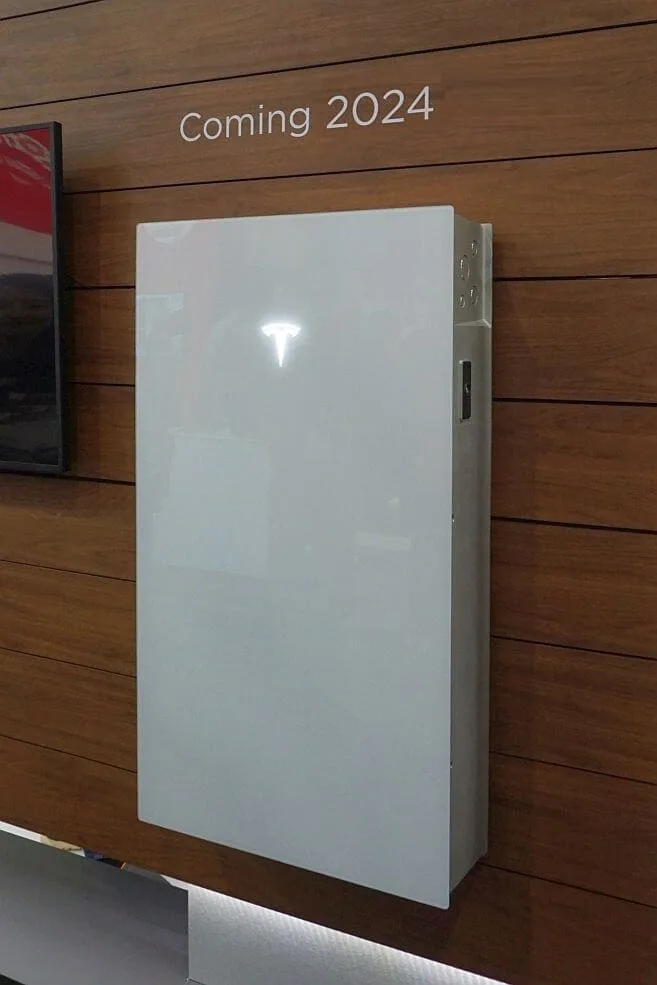
Best Home Battery Storage Systems in 2026: 5 Top Picks Compared
We compared the top 5 home battery systems for 2026. Our picks cover whole-home backup, solar integration, modular scaling, and budget-friendly options.
How to Choose a Home Battery System: A Complete Buyer's Guide
How to choose a home battery: capacity sizing, output power, battery chemistry, inverter types, scalability, and installation with comparison tables.
Tesla Powerwall 3 Review: Is It the Best Home Battery for 2026?
Full review of the Tesla Powerwall 3 home battery: 13.5 kWh LFP capacity, 11.5 kW output, integrated solar inverter with 6 MPPTs. Rating: 8.5/10.
Tesla Powerwall 3 vs EcoFlow DELTA Pro Ultra: Which Home Battery Is Right for You?
Tesla Powerwall 3 vs EcoFlow DELTA Pro Ultra compared on capacity, output, scalability, installation, and price. Find out which home battery fits your needs.