How to Choose a Portable Power Station: The Complete Buyer's Guide
How to choose a portable power station: capacity, output, battery type, solar input, weight, and price explained. Find the right unit for your needs.
As an affiliate, we earn from qualifying purchases. This does not affect our editorial independence.
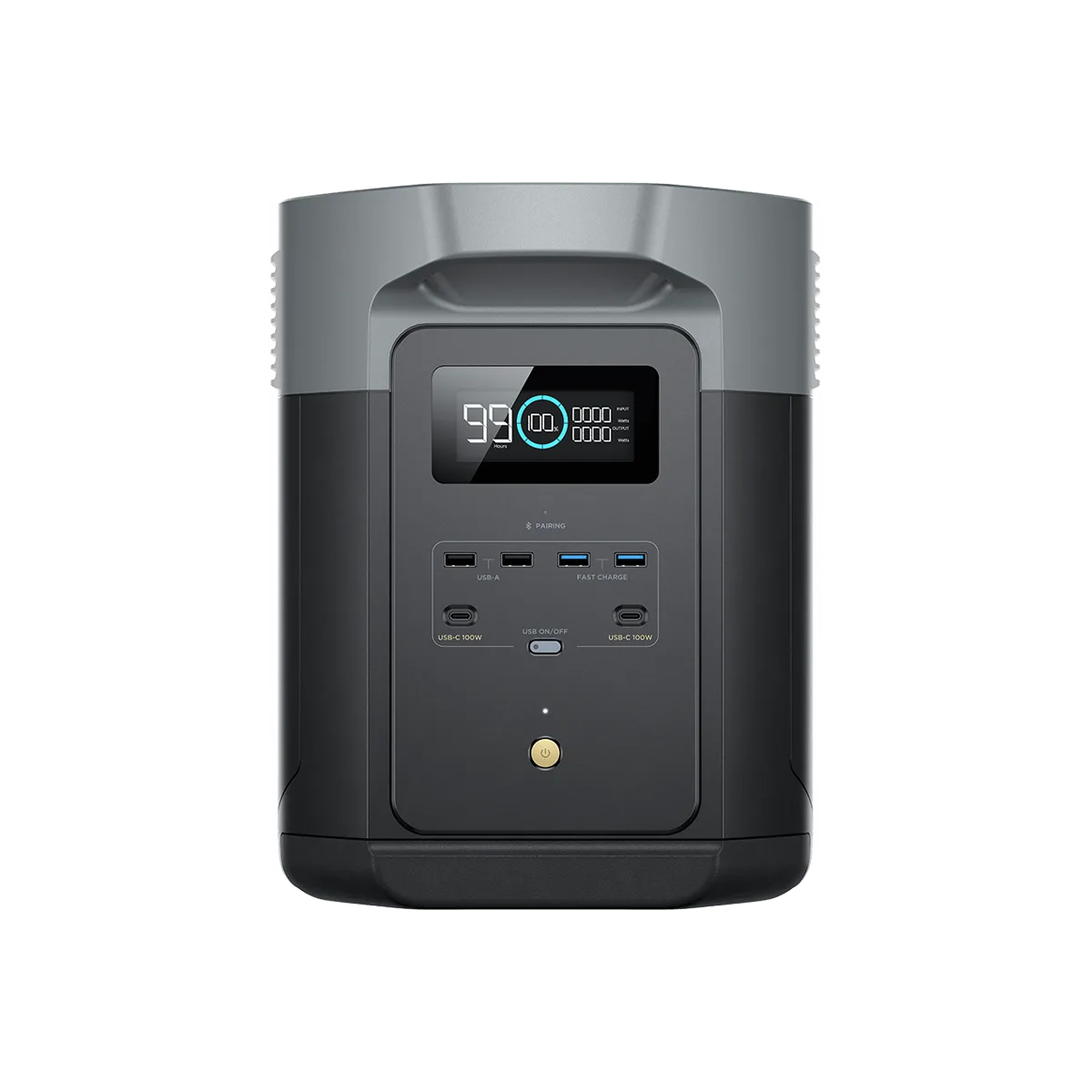
Choosing a portable power station comes down to five key factors: capacity (Wh), output power (W), battery chemistry (LiFePO4 recommended), solar input capability, and weight. This guide walks through each factor with calculations, comparison tables, and specific product recommendations.
Portable power stations have become essential gear for campers, remote workers, emergency preppers, and anyone who needs reliable electricity away from the grid. But the market has exploded with options, and the technical jargon (watt-hours, surge watts, MPPT, LiFePO4) can be confusing if you are new to the category.
This guide strips away the marketing language and explains exactly what matters when choosing a portable power station. By the end, you will know how to match a unit to your specific needs and avoid overspending on features you do not need.
How Much Capacity Do You Need? Calculating Watt-Hours
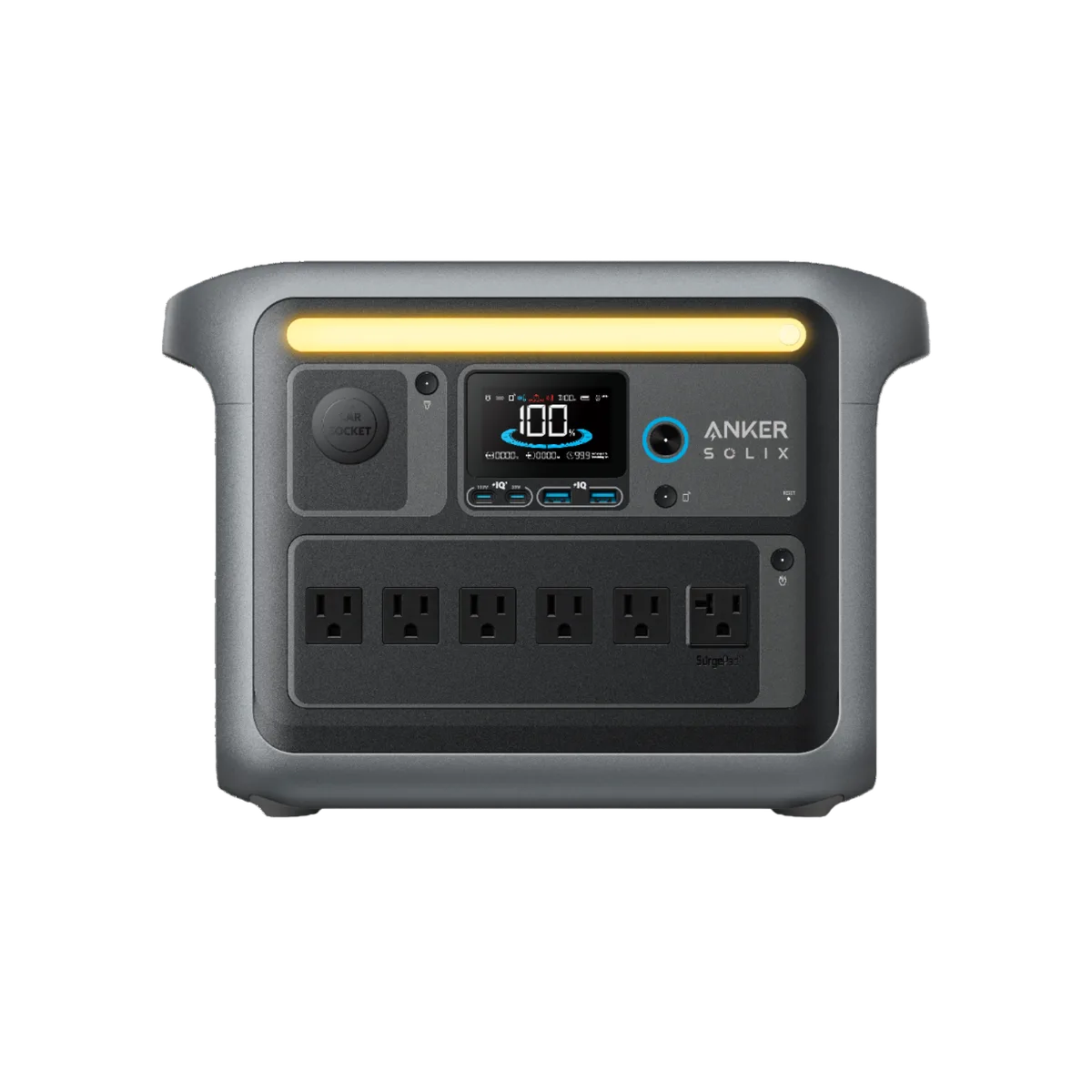
Capacity, measured in watt-hours (Wh), tells you how much total energy a power station stores. It is the single most important specification because it determines how long your devices will run.
How to calculate what you need:
- List every device you plan to power
- Note each device's wattage (check the label or manual)
- Estimate how many hours you will use each device
- Multiply: watts x hours = watt-hours needed
- Add everything up and multiply by 1.2 (to account for efficiency losses)
Example: Weekend camping trip
| Device | Watts | Hours | Wh Needed |
|---|---|---|---|
| 12V fridge | 60W | 48h | 2,880 |
| LED string lights | 10W | 12h | 120 |
| Phone charging (x2) | 20W | 4h | 80 |
| Laptop | 60W | 6h | 360 |
| Drone charger | 100W | 2h | 200 |
| Total | 3,640 Wh | ||
| With 1.2x buffer | 4,368 Wh |
In this example, you would need approximately 4,400Wh for a full weekend without any recharging. That is larger than most single units, so you would either need an expandable system, solar panels to recharge during the day, or a smaller subset of devices.
For most campers running a fridge, lights, and phone chargers, a unit in the 1000-2000Wh range will cover a weekend with solar supplementation.
General capacity guidelines:
- Under 500Wh: Phones, tablets, laptops, small lights. Good for day trips and ultralight setups.
- 500-1000Wh: All of the above plus a small 12V fridge, drones, and cameras. Solid for solo weekend trips.
- 1000-2000Wh: Full campsite power including larger fridges, TVs, and small appliances. Ideal for couples and families. The Jackery Explorer 1000 Plus (1264Wh) and EcoFlow DELTA 2 Max (2048Wh) both fall in this range.
- 2000Wh+: Extended off-grid stays, home backup, powering multiple heavy appliances simultaneously.
Step 2: Understand Output Power (Watts)
While capacity tells you how much energy is stored, output power tells you what you can run at any given moment. This is measured in watts (W).
Every power station has two output ratings:
- Continuous output: The sustained wattage it can deliver indefinitely (e.g., 2000W)
- Surge/peak output: The brief spike it can handle when motor-driven devices start up (e.g., 4000W for a few seconds)
Why this matters: If you plug in a device that draws more watts than the station's continuous output, the station will shut off to protect itself. A 1500W power station cannot run a 2000W space heater, regardless of how much capacity it has.
Common device wattages to know:
| Device | Typical Wattage |
|---|---|
| Smartphone charger | 5-25W |
| Laptop | 45-100W |
| 12V camping fridge | 40-80W |
| CPAP machine | 30-60W |
| LED string lights | 5-20W |
| Electric blanket | 50-100W |
| Coffee maker (drip) | 600-1000W |
| Microwave | 600-1200W |
| Space heater | 750-1500W |
| Hair dryer | 1000-2500W |
| Air conditioner (window) | 500-1500W |
Rule of thumb: Add up the wattage of everything you want to run simultaneously, then add a 20% margin. That is your minimum continuous output requirement.
Some brands offer technology to extend output beyond the rated wattage. EcoFlow's X-Boost is the best-known example, allowing their units to run devices up to 30% above rated output by adjusting voltage. This is useful but not a substitute for adequate base output.
Which Battery Chemistry Is Best: LiFePO4 or Li-ion?
This is one of the most consequential decisions you will make, and it comes down to two options.
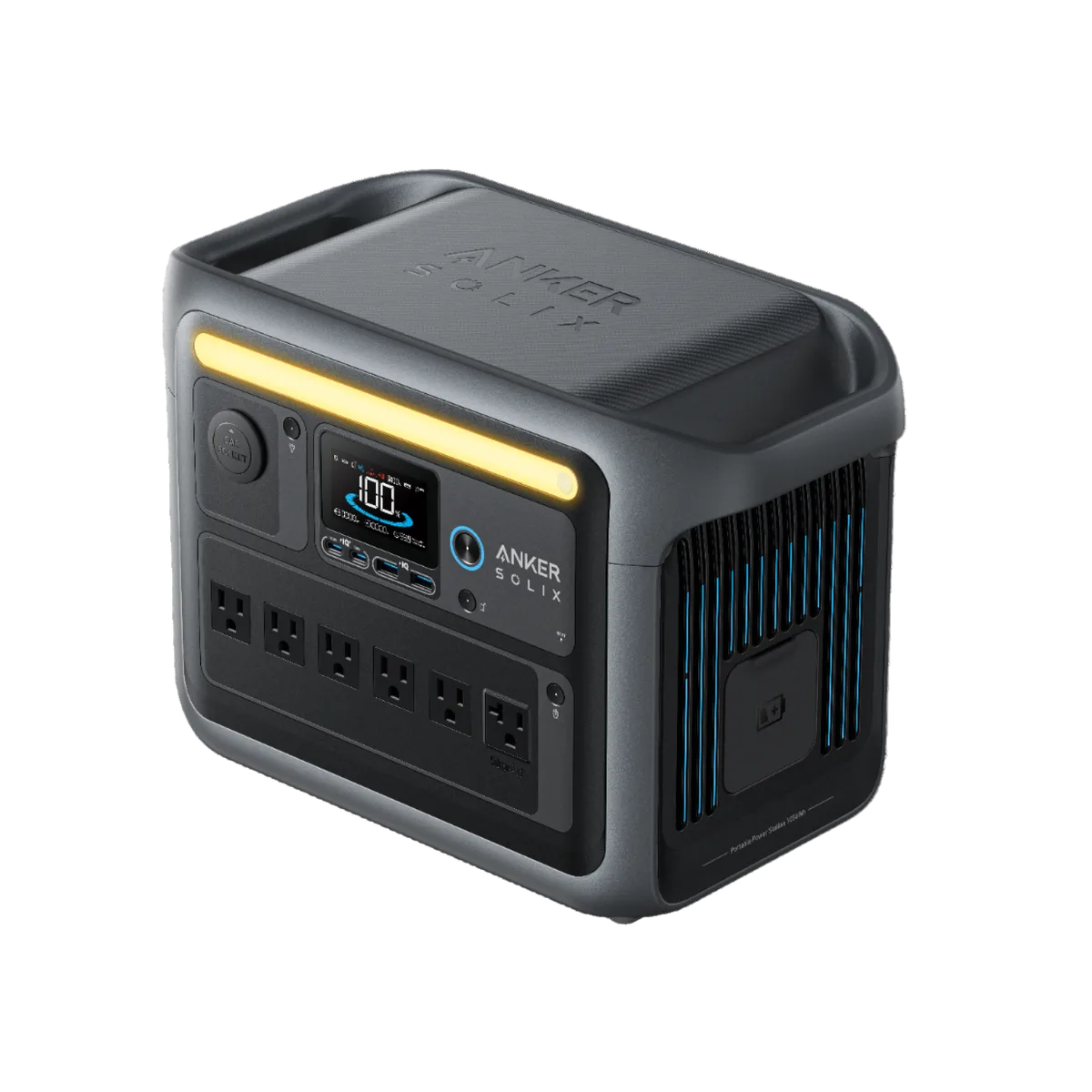
LiFePO4 (Lithium Iron Phosphate)
LiFePO4 has become the standard for quality portable power stations, and for good reason:
- Cycle life: 2500-4000+ cycles before dropping to 70-80% capacity
- Safety: Extremely stable chemistry with minimal risk of thermal runaway
- Temperature range: Performs better in extreme heat and cold
- Longevity: At one cycle per week, a 3000-cycle battery lasts over 50 years mathematically
The trade-off is that LiFePO4 batteries are slightly heavier and larger per watt-hour compared to standard lithium-ion. They also cost more upfront.
Li-ion NMC (Lithium Nickel Manganese Cobalt)
Older and budget models still use NMC chemistry:
- Cycle life: 500-1000 cycles typically
- Weight: Lighter per Wh than LiFePO4
- Cost: Generally cheaper upfront
- Drawback: Shorter total lifespan, less thermally stable
Our recommendation: Buy LiFePO4 unless your budget is very tight. The 3-5x longer cycle life means the cost per cycle is actually lower, and the safety advantages are meaningful. Nearly every major brand (EcoFlow, Jackery, Bluetti, Anker) has shifted their current lineups to LiFePO4.
Comparison at a Glance
| Factor | LiFePO4 | Li-ion NMC |
|---|---|---|
| Cycle life | 2500-4000+ | 500-1000 |
| Safety | Excellent | Good |
| Weight (per Wh) | Heavier | Lighter |
| Cost (upfront) | Higher | Lower |
| Cost (per cycle) | Lower | Higher |
| Temperature range | Wider | Narrower |
| Our verdict | Recommended | Budget only |
Step 4: Evaluate Solar Charging Capability
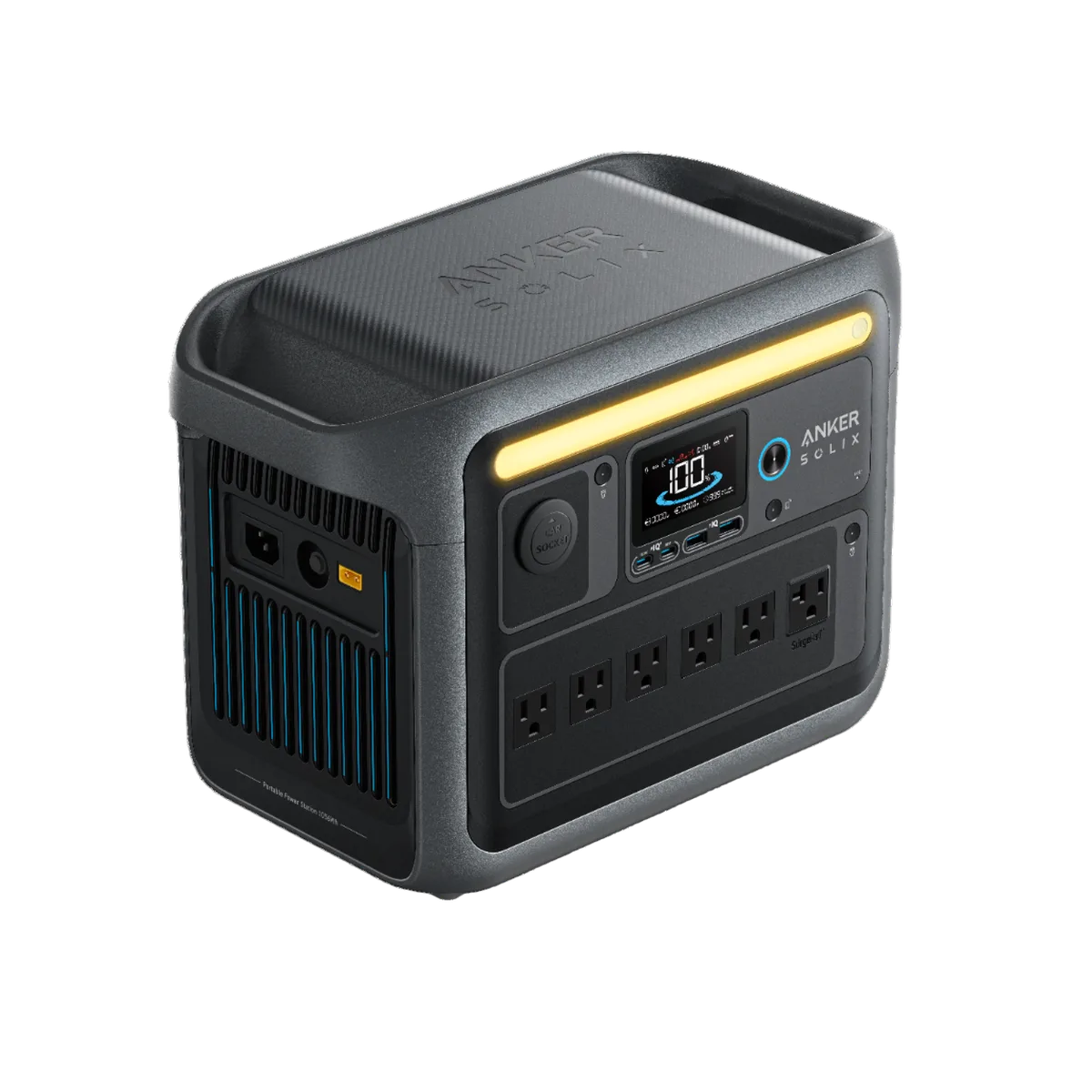
If you plan to use your power station off-grid, solar charging capability is essential. There are three numbers to pay attention to:
Maximum solar input (watts): This is the ceiling for how fast the unit can charge from solar panels. A 500W solar input unit paired with 500W of panels will charge roughly twice as fast as a 300W input unit.
Input voltage range: Most units accept 11-60V, which covers the vast majority of portable solar panels. Some accept higher voltages for larger panel arrays.
MPPT controller: All quality power stations include an MPPT (Maximum Power Point Tracking) charge controller, which optimizes the power conversion from solar panels. If a unit does not specify MPPT, consider it a red flag.
Solar input by category:
- Under 200W input: Slow charging, works for maintaining charge, not rapid replenishment
- 200-500W input: Good for daily recharging with 1-2 panels (4-8 hours to full for a 1000-2000Wh unit)
- 500-800W input: Fast solar charging, can fully recharge a large unit in 3-5 hours in good conditions
- 800W+ input: Ideal for extended off-grid use and larger capacity systems
Keep in mind that real-world solar output is typically 60-80% of panel ratings due to angle, temperature, clouds, and other factors. A 200W panel will usually produce 120-160W in practice.
Step 5: Consider Weight and Portability
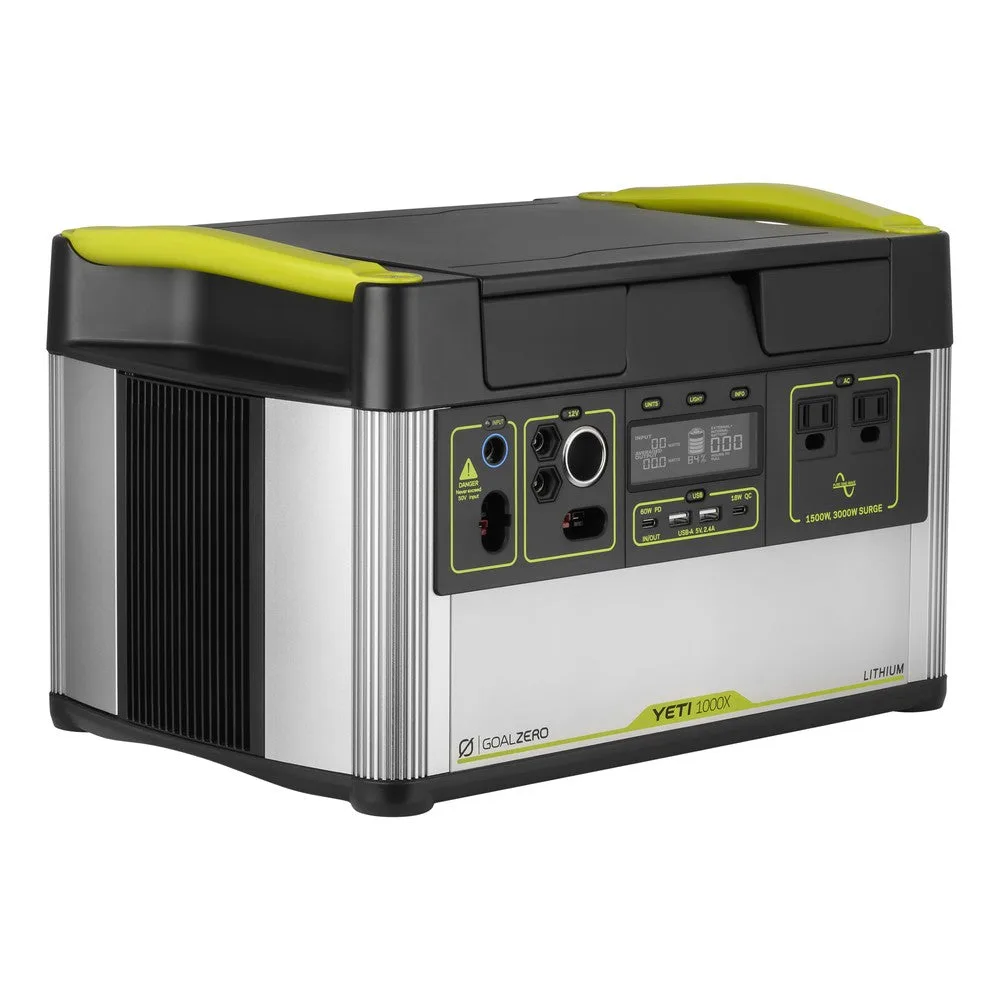
Portable power stations range from under 10 lbs to over 60 lbs. The right weight depends entirely on how you will use the unit:
- Under 15 lbs: Truly portable. Carry in one hand, toss in a daypack. Limited capacity (typically under 500Wh).
- 15-30 lbs: Manageable one-hand carry. Good balance of capacity and portability. This is the sweet spot for most campers.
- 30-50 lbs: Two-hand carry. Best for car camping where you are not moving the unit far. Covers the 1000-2000Wh range.
- 50+ lbs: Stationary or semi-stationary. Plan placement carefully. These are basecamps and home backup units.
Also consider the handle design. Some units have a single top handle, others have two side handles, and a few have telescoping handles with wheels. If you regularly carry your unit more than 50 feet from your vehicle, handle comfort matters more than you might think.
Step 6: Set Your Budget
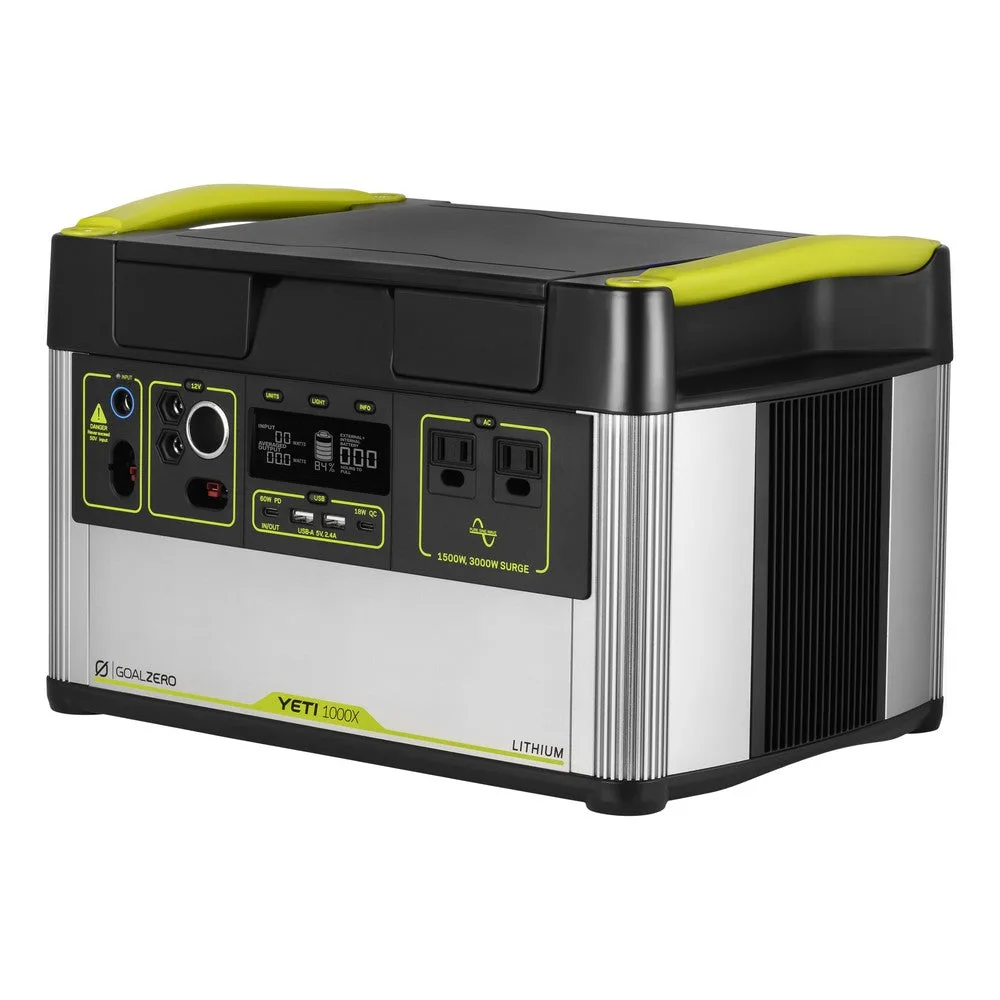
Portable power station prices scale roughly with capacity, but brand, features, and battery chemistry create significant variation.
Approximate price ranges by capacity (LiFePO4 units):
| Capacity Range | Typical Price | Good For |
|---|---|---|
| 200-500Wh | $200-$500 | Day trips, device charging |
| 500-1000Wh | $500-$1,000 | Weekend camping, light home backup |
| 1000-2000Wh | $1,000-$1,700 | Extended camping, full home backup |
| 2000Wh+ | $1,700-$3,500+ | Heavy use, whole-home systems |
Where to save and where to splurge:
- Save: Cosmetic features, brand-specific accessories, top-of-line app features
- Splurge: Battery chemistry (get LiFePO4), capacity (buy slightly more than you think you need), solar input (if you camp off-grid)
Watch for sales around major holidays. Black Friday, Prime Day, and Memorial Day regularly see 20-30% discounts on major brands. Power stations from EcoFlow, Jackery, and Bluetti frequently participate in these promotions. For specific models at each price point, see our best portable power stations for camping 2026 roundup or our EcoFlow vs Jackery comparison for a detailed look at two top mid-range options.
Common Mistakes to Avoid
Buying too little capacity. This is the most common error. People underestimate how quickly devices drain a battery. Always buy at least 20% more capacity than your calculations suggest.
Ignoring output wattage. A 2000Wh unit with only 500W output cannot run a coffee maker. Check continuous output, not just capacity.
Overlooking charge speed. If you need to recharge quickly between uses, AC charge time matters enormously. The difference between a 1-hour and a 5-hour charge time is significant for practical usability.
Buying Li-ion to save money. The upfront savings are modest, but the 500-cycle lifespan versus 3000+ cycles for LiFePO4 means you will likely replace a Li-ion unit 3-4 times in the period a LiFePO4 unit keeps working. The total cost of ownership favors LiFePO4.
Skipping solar compatibility. Even if you do not plan to use solar panels immediately, having strong solar input gives you a valuable recharging option in emergencies and future flexibility.
Quick Decision Framework
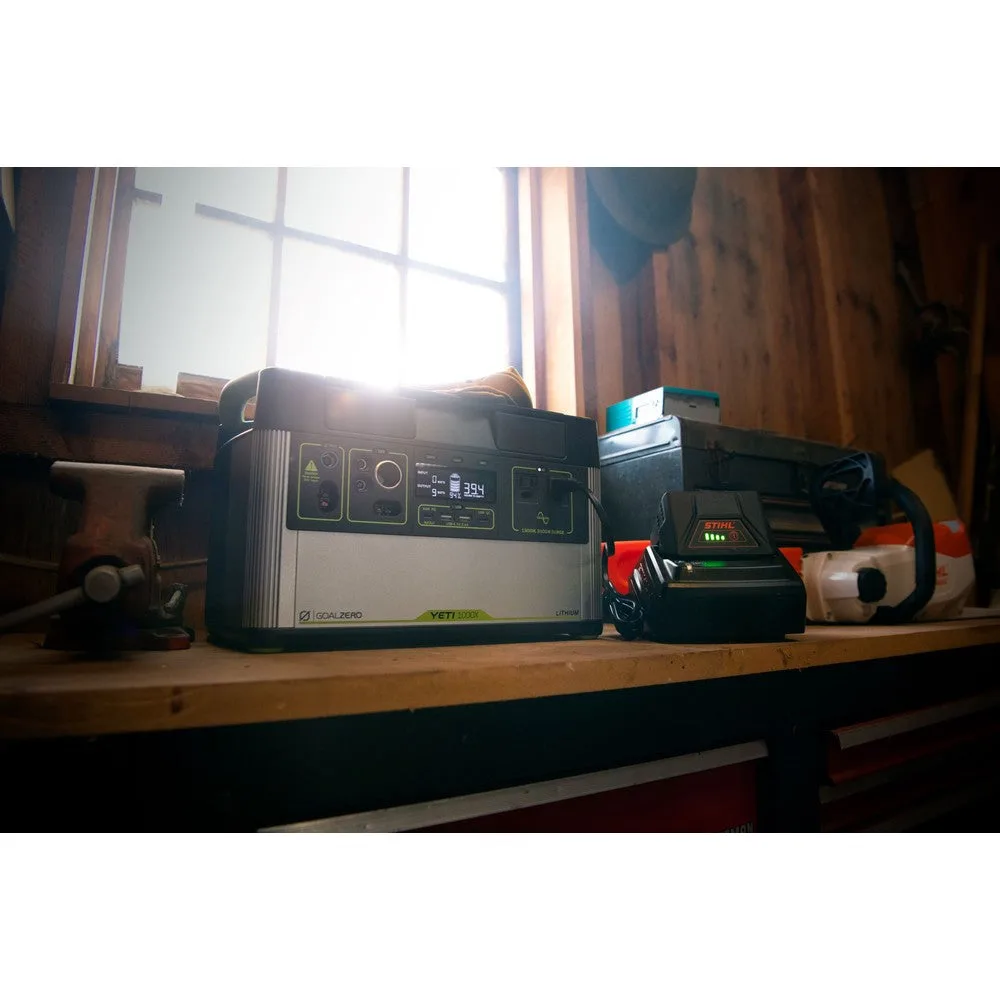
Still not sure where to start? Answer these three questions:
- What is your heaviest single device? Its wattage sets your minimum continuous output.
- How long do you need to run everything between charges? This determines your capacity needs.
- Will you rely on solar for recharging? If yes, prioritize high solar input wattage.
Match those answers to the capacity guidelines, output requirements, and solar specifications above, and you will have a clear picture of what to buy.
The portable power station market is competitive, which means quality is high across major brands. Get the fundamentals right (enough capacity, enough output, LiFePO4 chemistry) and you will be well served no matter which brand you choose.
Frequently Asked Questions
What size portable power station do I need for camping?
For weekend car camping with a fridge, lights, and device charging, aim for 1000-2000Wh. A unit like the Jackery Explorer 1000 Plus (1264Wh) covers couples comfortably, while the EcoFlow DELTA 2 Max (2048Wh) handles families and heavier loads. For day trips with just phones and laptops, 300-500Wh is sufficient. Always add a 20% buffer to your calculations.
Is LiFePO4 worth the extra cost over lithium-ion?
Yes, in almost every case. LiFePO4 batteries last 3000-4000+ cycles versus 500-1000 for lithium-ion NMC. That means a LiFePO4 unit purchased today will likely still be performing well in 10 years, while a lithium-ion unit may need replacement in 2-3 years of regular use. The upfront cost difference is typically 15-30%, but the total cost of ownership strongly favors LiFePO4.
Can a portable power station replace a gas generator?
For most consumer needs, yes. Modern power stations with 2000W+ output handle the same appliances as small gas generators, with major advantages: zero emissions (safe indoors), silent operation, no fuel costs, and minimal maintenance. The main limitation is runtime. A gas generator runs as long as you have fuel, while a power station is limited by its battery capacity. For extended outages lasting multiple days without solar, a gas generator still has the edge.
How long do solar panels take to charge a portable power station?
It depends on three factors: the power station's capacity (Wh), the solar input limit (W), and your actual solar panel output (typically 60-80% of rated wattage). As a rough guide: a 1000Wh station with 400W of real solar input takes about 3 hours. A 2000Wh station with the same input takes about 6 hours. Higher solar input wattage, like the Jackery Explorer 1000 Plus's 800W maximum, significantly speeds up recharging.
What is the difference between watts and watt-hours?
Watts (W) measure instantaneous power: how much electricity a device uses at any moment. Watt-hours (Wh) measure total energy: how much electricity is consumed over time. A 100W device running for 5 hours uses 500Wh of energy. When choosing a power station, watts determine what you can run simultaneously, and watt-hours determine how long you can run it.
Last updated: March 4, 2026
As an affiliate, we earn from qualifying purchases. This does not affect our editorial independence.
Get Notified When Prices Drop
Join our newsletter for exclusive deal alerts, product comparisons, and energy-saving tips.
As an affiliate, we earn from qualifying purchases. This does not affect our editorial independence.
Related Articles
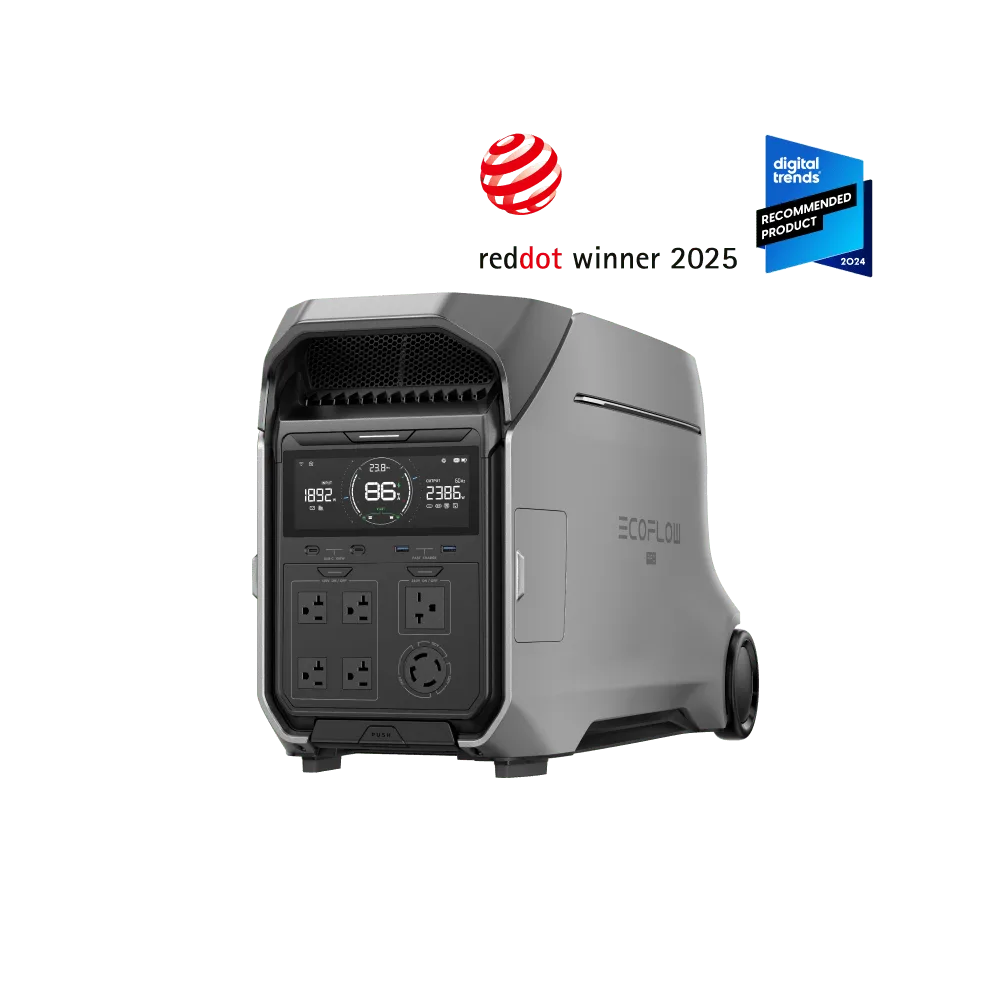
Best Power Stations for Home Backup in 2026: 5 Units That Keep the Lights On
The 5 best portable power stations for home backup in 2026. From whole-home coverage to budget options, find the right backup power for outages.
How Big a Power Station Do I Need? A Step-by-Step Sizing Guide
Calculate the right portable power station size for your needs. Wattage tables, sizing formulas, and product recommendations for every use case.
Best Portable Power Stations for Camping in 2026: 5 Top Picks Tested
We tested dozens of portable power stations to find the 5 best for camping in 2026. Picks for every budget, from car camping to off-grid adventures.