How Big a Power Station Do I Need? A Step-by-Step Sizing Guide
Calculate the right portable power station size for your needs. Wattage tables, sizing formulas, and product recommendations for every use case.
As an affiliate, we earn from qualifying purchases. This does not affect our editorial independence.
To find the right power station size, add up the wattage of every device you plan to run, multiply by the hours you need them, and match that number to a power station's capacity in watt-hours (Wh). A weekend camper typically needs 500-1000Wh. Home backup requires 1500-4000Wh or more.
Buying a portable power station without doing the math is like buying shoes without checking your size. Too small and you run out of power at the worst moment. Too big and you overspend on capacity you never use.
The good news: sizing a power station is straightforward. You only need two numbers for each device you plan to power: its wattage and the hours you want to run it. This guide walks through the calculation step by step, with real examples for camping, home backup, and remote work.
Not sure what features to look for beyond capacity? Read our complete buyer's guide.
What Do Watts and Watt-Hours Mean?
Before running any numbers, two terms matter:
- Watts (W) measure how much power a device draws at any moment. A 60W laptop charger pulls 60 watts while charging.
- Watt-hours (Wh) measure total energy over time. Running that 60W charger for 2 hours uses 120Wh (60W x 2h = 120Wh).
A power station's capacity is listed in Wh. A 1000Wh station stores 1000 watt-hours of energy. Its output rating in watts tells you the maximum load it can handle at once.
Both numbers matter. You need enough Wh to last the duration, and enough W to run all your devices simultaneously.
How Much Power Do Common Devices Use?
Here is a reference table for typical device wattages. Your actual numbers may differ, so check the label on each device when possible.
| Device | Typical Wattage | Running Hours | Daily Wh |
|---|---|---|---|
| Smartphone charger | 15-25W | 2h | 30-50Wh |
| Laptop | 50-80W | 6h | 300-480Wh |
| LED string lights | 10-20W | 6h | 60-120Wh |
| 12V camping fridge | 40-60W | 24h (cycles ~40%) | 380-580Wh |
| CPAP machine | 30-60W | 8h | 240-480Wh |
| Home fridge | 100-200W | 24h (cycles ~35%) | 840-1680Wh |
| Wi-Fi router | 10-20W | 24h | 240-480Wh |
| LED room lights (x4) | 40W total | 8h | 320Wh |
| Window AC unit | 500-1500W | 8h | 4000-12000Wh |
| Space heater | 750-1500W | 8h | 6000-12000Wh |
| Electric kettle | 1200-1500W | 0.1h | 120-150Wh |
| Hair dryer | 1200-1800W | 0.25h | 300-450Wh |
Important note about fridges: Refrigerators cycle on and off. The compressor runs roughly 35-40% of the time, so average consumption is much lower than the peak wattage listed on the label.
How Do You Calculate Your Total Power Needs?
Follow these three steps:
- List every device you plan to run and note its wattage
- Multiply each device's wattage by the hours you need it running in a day
- Add up all the daily Wh values to get your total
Then add a 20% buffer. Power stations lose some energy to heat and inverter inefficiency, so you never get 100% of the rated capacity as usable power.
Formula: Total needed = (Sum of all device Wh) x 1.2
Example 1: Weekend Camping Trip
| Device | Watts | Hours | Wh |
|---|---|---|---|
| 12V camping fridge | 50W avg | 24h (cycles) | 480Wh |
| Phone charger (x2) | 40W | 2h | 80Wh |
| LED lights | 15W | 5h | 75Wh |
| Laptop | 60W | 2h | 120Wh |
| Daily total | 755Wh | ||
| With 20% buffer | 906Wh |
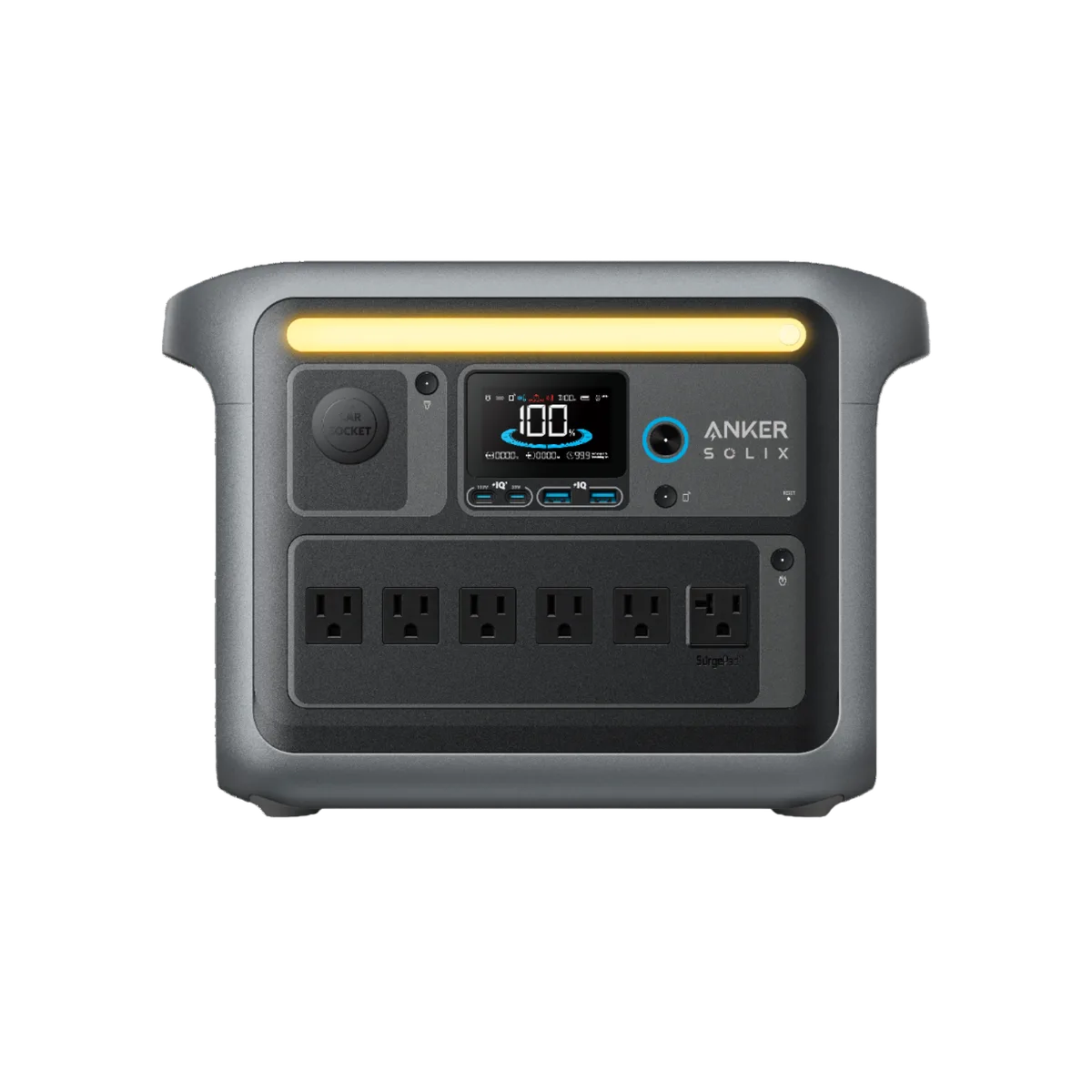
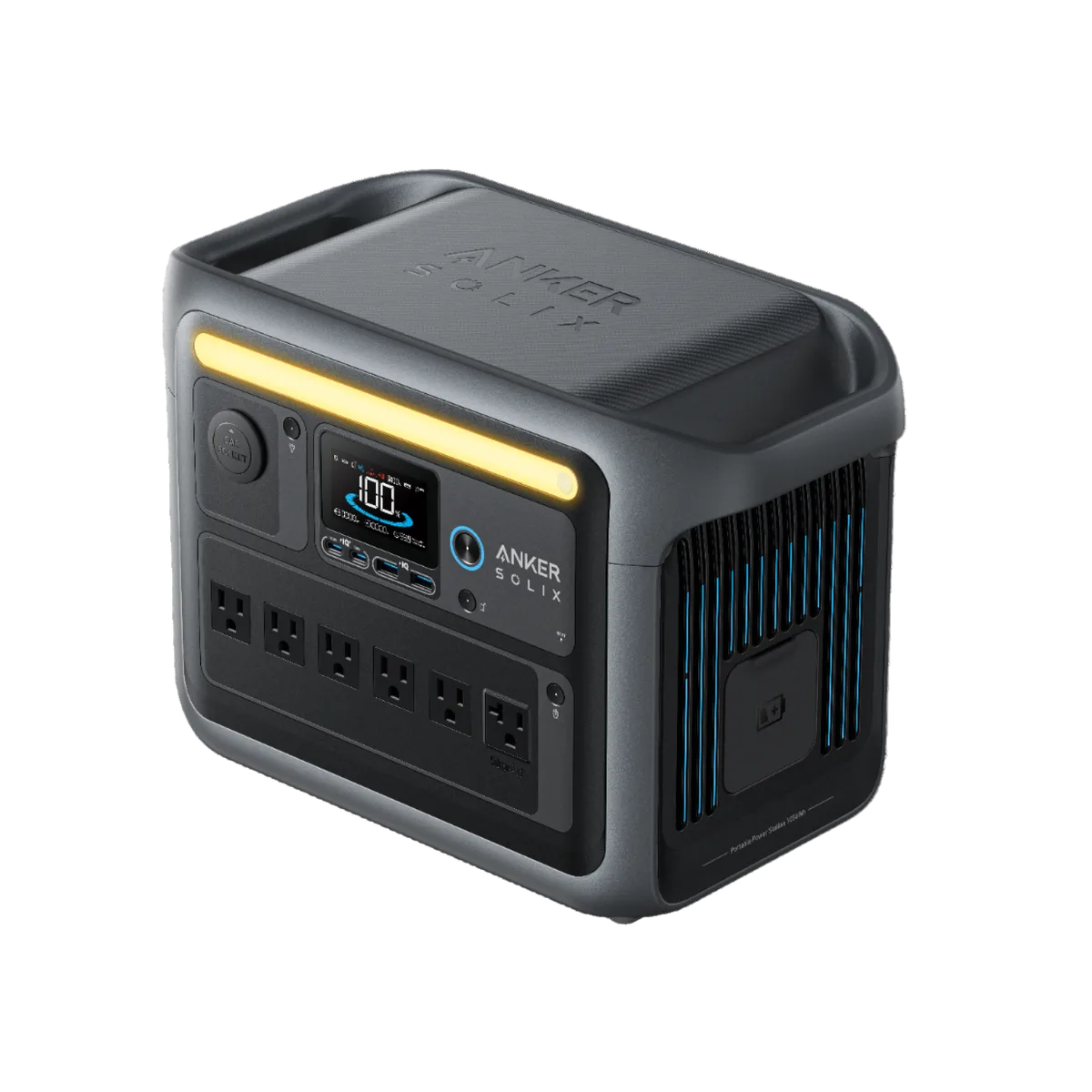
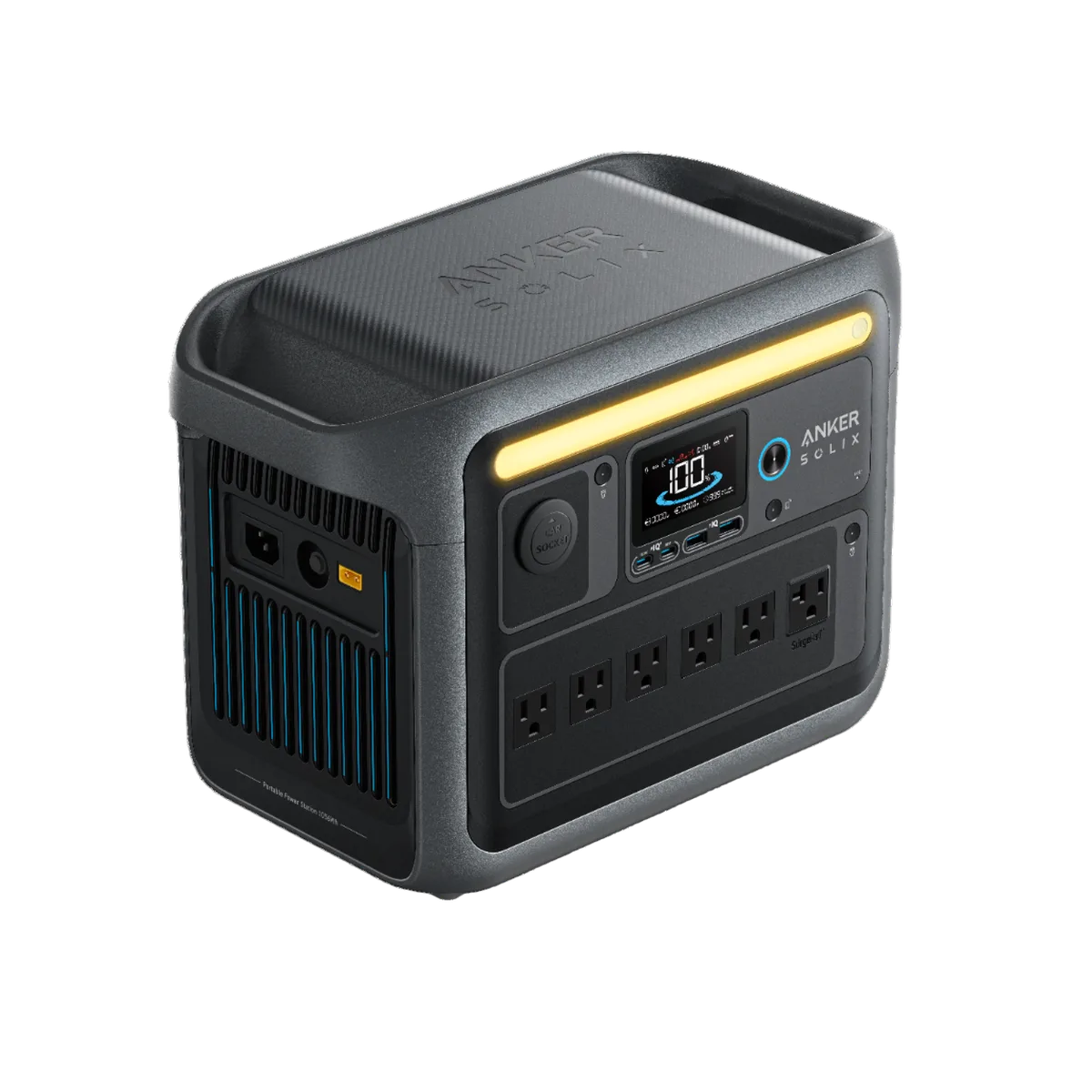
Recommended size: 1000Wh class. The Anker SOLIX C1000 (1056Wh) covers this with room to spare. For a two-day trip without solar recharging, step up to 2000Wh.
Example 2: Home Backup (Essentials Only)
| Device | Watts | Hours | Wh |
|---|---|---|---|
| Home fridge | 150W avg | 24h (cycles) | 1260Wh |
| Wi-Fi router | 15W | 24h | 360Wh |
| LED lights (x4) | 40W | 8h | 320Wh |
| Phone charger (x3) | 60W | 3h | 180Wh |
| Laptop | 65W | 4h | 260Wh |
| Daily total | 2380Wh | ||
| With 20% buffer | 2856Wh |
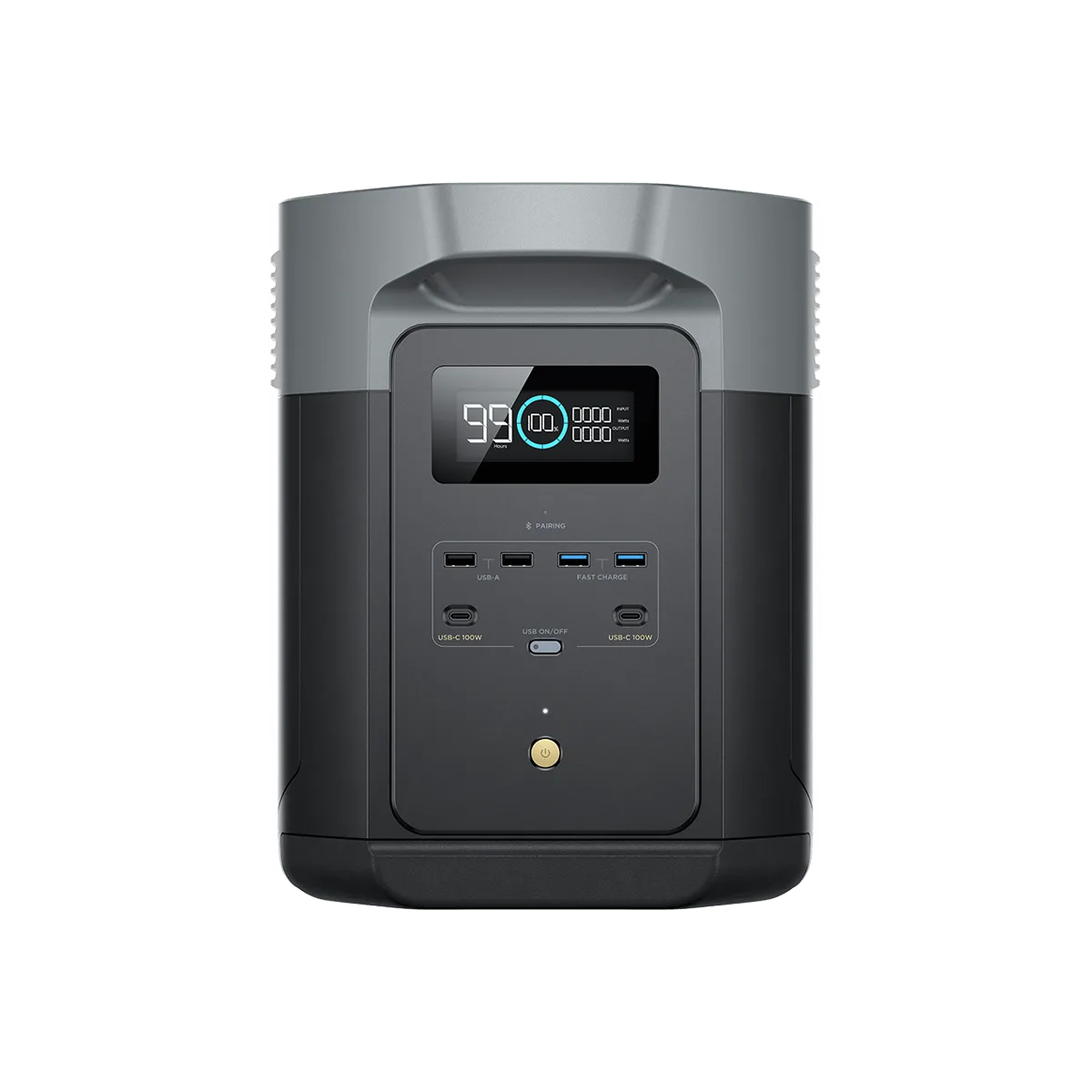
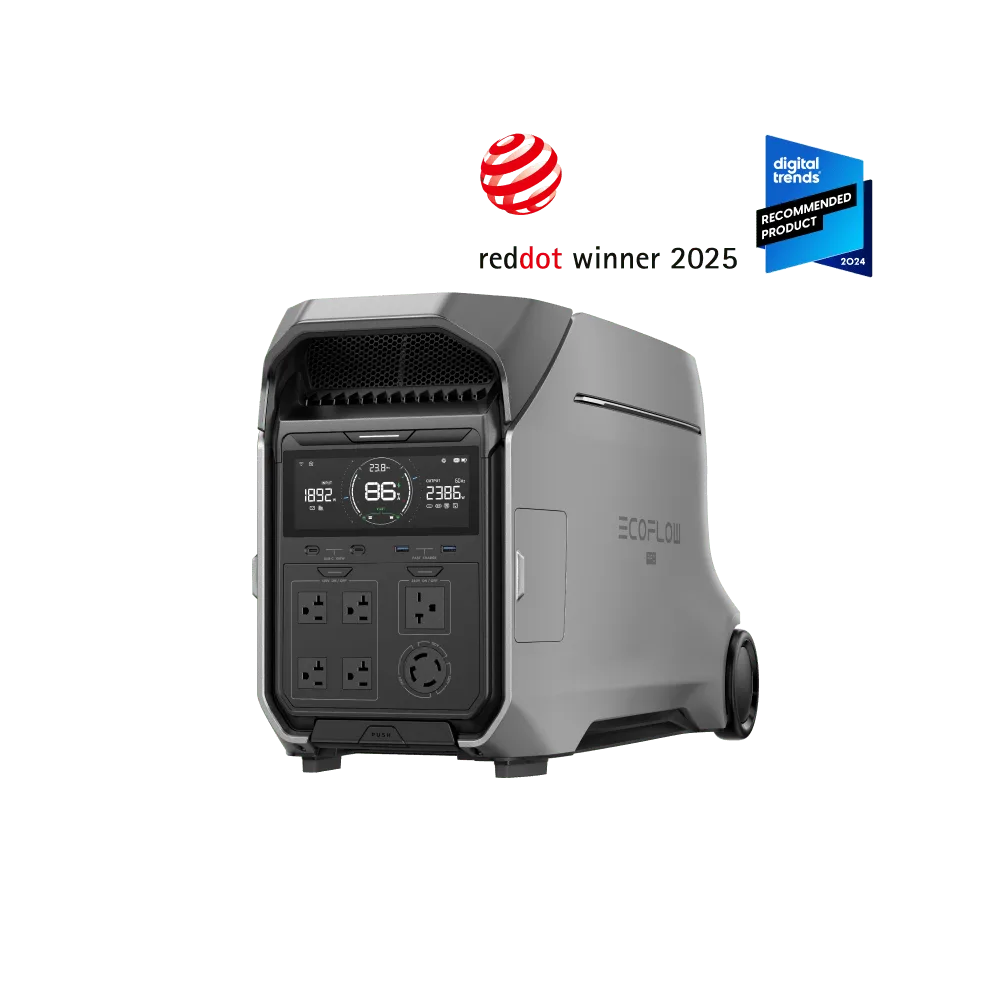
Recommended size: 2000-3000Wh class. The EcoFlow DELTA 2 Max (2048Wh) covers about 20 hours of these essentials. For a full 24+ hours, consider the EcoFlow DELTA Pro 3 (4096Wh).
Example 3: Remote Work Setup
| Device | Watts | Hours | Wh |
|---|---|---|---|
| Laptop | 65W | 8h | 520Wh |
| External monitor | 30W | 8h | 240Wh |
| Phone charger | 20W | 1h | 20Wh |
| Desk lamp | 10W | 8h | 80Wh |
| Daily total | 860Wh | ||
| With 20% buffer | 1032Wh |
Recommended size: 768-1056Wh. The EcoFlow RIVER 2 Pro (768Wh) handles a lighter setup. The Anker SOLIX C1000 (1056Wh) gives you a full work day with a monitor.
Which Power Station Fits Your Watt-Hour Needs?
Use this quick reference to match your calculated total to a product:
| Your Daily Need | Recommended Class | Example Products |
|---|---|---|
| Under 500Wh | 500-768Wh | EcoFlow RIVER 2 Pro (768Wh), Bluetti AC70 (768Wh) |
| 500-1000Wh | 1000Wh | Anker SOLIX C1000 (1056Wh) |
| 1000-1500Wh | 1500-2000Wh | EcoFlow DELTA 2 Max (2048Wh) |
| 1500-2500Wh | 2000-2500Wh | EcoFlow DELTA 2 Max (2048Wh), Bluetti AC200L (2048Wh) |
| 2500Wh+ | 3000Wh+ | EcoFlow DELTA Pro 3 (4096Wh), expandable systems |
Tip: If you are close to the limit of a size class, go one size up. Running a power station near 100% regularly reduces its effective lifespan.
What About Output Wattage?
Capacity (Wh) tells you how long it lasts. Output (W) tells you what it can run at once. Both matter.
Add up the wattages of every device you might run simultaneously. Your power station's output rating must exceed that sum.
Example: Running a fridge (150W peak), router (15W), laptop (65W), and lights (40W) at the same time needs 270W continuous. Any modern power station handles this easily. But try running a space heater (1500W) alongside a fridge, and you need at least 1700W of output.
Watch out for surge wattage too. Fridges and compressor-driven devices draw 2-3x their rated wattage for a split second when starting up. Most power stations list a surge rating that handles these spikes.
Common Sizing Mistakes to Avoid
Mistake 1: Using peak wattage for fridges. Your fridge label might say 200W, but the compressor only runs 35% of the time. Use the average, not the peak, for runtime calculations.
Mistake 2: Forgetting the efficiency loss. No power station delivers 100% of its rated capacity. Plan for 80-85% usable energy (the 20% buffer in our formula covers this).
Mistake 3: Ignoring simultaneous loads. Capacity and output are different problems. A 2000Wh station with 800W output cannot run a 1200W hair dryer, regardless of battery capacity.
Mistake 4: Not planning for growth. If you are buying for home backup, consider expansion options. Starting with a smaller unit and adding battery packs later can be more budget-friendly than buying the biggest unit upfront.
Frequently Asked Questions
How many watt-hours do I need for a camping trip?
For a typical weekend car camping trip with a 12V fridge, phone chargers, LED lights, and a laptop, plan for 750-1000Wh per day. A solo camper with minimal gear can get by on 300-500Wh. Groups running multiple devices and a larger fridge should plan for 1500-2000Wh per day. Adding solar panels lets you recharge during the day and use a smaller unit.
Does a bigger power station always mean better?
No. Bigger stations cost more and weigh more. A 4000Wh unit weighing 99 lbs makes no sense for a weekend camping trip where 1000Wh covers your needs. Buy for your actual requirements, not a worst-case scenario you may never encounter. If your needs might grow, consider an expandable system that starts small.
How do I find the actual wattage of my devices?
Check the label on the device or its power adapter. It will list the wattage (W) or amps and volts (multiply amps x volts to get watts). For appliances like fridges, look for the "annual kWh" rating on the Energy Guide label and divide by 8,760 to get average hourly watts. A kill-a-watt meter (under $30) gives the most accurate real-world readings.
Should I factor in solar panel recharging?
Yes, if you plan to use solar. A 200W solar panel in good sun produces roughly 150-180W of actual power for 5-6 peak hours. That is 750-1080Wh per day of recharge. Subtract that from your daily power needs to see if a smaller station works. But do not rely solely on solar, as cloudy days happen. Always have enough base capacity for at least one day without sun.
What is the difference between Wh and Ah ratings?
Wh (watt-hours) is the universal measure of energy storage. Some manufacturers list Ah (amp-hours), which requires knowing the voltage to convert. The formula is: Wh = Ah x V. For example, a 12V 100Ah battery stores 1200Wh (100 x 12). Always compare power stations using Wh for an accurate comparison across different brands and voltage systems.
Last updated: March 6, 2026
As an affiliate, we earn from qualifying purchases. This does not affect our editorial independence.
Get Notified When Prices Drop
Join our newsletter for exclusive deal alerts, product comparisons, and energy-saving tips.
What Real Users Say
“I used the wattage calculation method and ended up with the DELTA 2 Max. Ran my fridge, router, and lights for a full day during an outage. Perfect size for my needs.”
“Most people buy too big or too small. Just add up your device wattages, multiply by hours, and pick the closest capacity. Simple math saves you hundreds of dollars.”
As an affiliate, we earn from qualifying purchases. This does not affect our editorial independence.
Related Articles
Best Power Stations for Home Backup in 2026: 5 Units That Keep the Lights On
The 5 best portable power stations for home backup in 2026. From whole-home coverage to budget options, find the right backup power for outages.
Best Portable Power Stations for Camping in 2026: 5 Top Picks Tested
We tested dozens of portable power stations to find the 5 best for camping in 2026. Picks for every budget, from car camping to off-grid adventures.
EcoFlow DELTA 2 Max Review: The Best Mid-Range Power Station in 2026?
Full review of the EcoFlow DELTA 2 Max portable power station: 2048Wh LiFePO4, 2400W output, 68-min fast charging, and app features. Rating: 9/10.