Jackery SolarSaga 200W Review: The Best Foldable Solar Panel in 2026?
Full review of the Jackery SolarSaga 200W foldable solar panel: bifacial IBC cells, 26.7% efficiency, IP68 waterproof, and USB ports. Our verdict after real-world testing.
As an affiliate, we earn from qualifying purchases. This does not affect our editorial independence.
Pros
- ✓Industry-leading 26.7% efficiency with bifacial IBC cells
- ✓Built-in USB-C and USB-A for direct device charging
- ✓IP68 waterproof rating — most durable in its class
- ✓Lightweight at 14.3 lbs with compact folded size
- ✓Compatible with all Jackery Explorer power stations
Cons
- ✗Premium price compared to basic 200W panels
- ✗Proprietary DC8020 connector limits third-party compatibility
- ✗No built-in kickstand angle adjustment
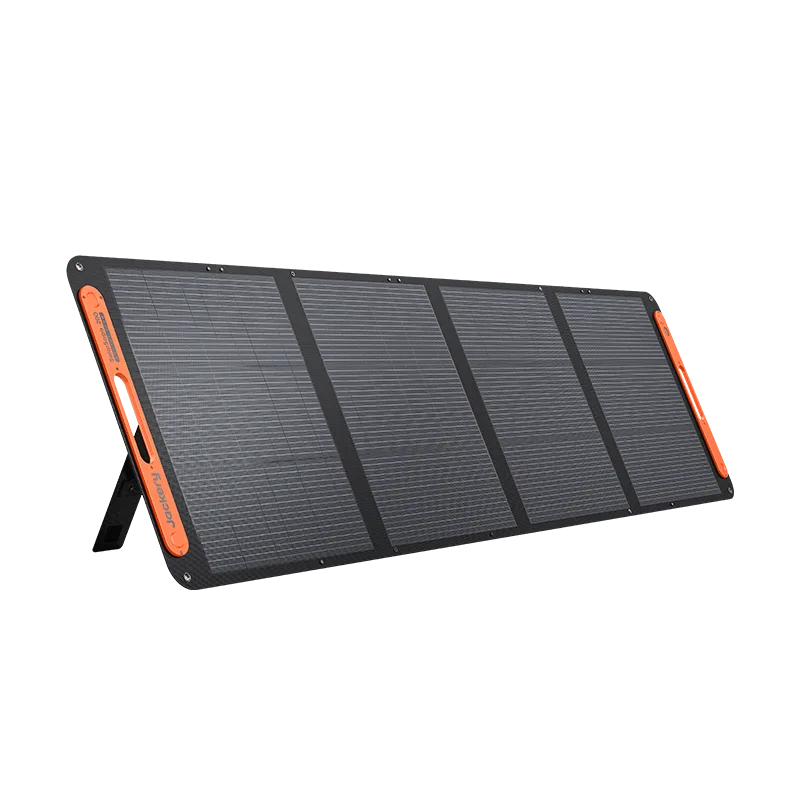
The Jackery SolarSaga 200W is a foldable portable solar panel featuring bifacial IBC monocrystalline cells with 26.7% efficiency, IP68 waterproof rating, and built-in USB-C/USB-A ports. At approximately $499, it delivers the highest efficiency of any foldable panel we have tested, earning an 8/10 rating.
Why the Jackery SolarSaga 200W Stands Out
The portable solar panel market has evolved rapidly over the past two years, and Jackery has responded with what might be its most impressive panel yet. The SolarSaga 200W uses bifacial IBC (Interdigitated Back Contact) monocrystalline cells — the same technology found in premium residential rooftop systems — packed into a foldable form factor designed for camping, overlanding, and emergency preparedness.
According to Jackery's official product page, the panel achieves 26.7% cell efficiency, which represents a significant leap over the previous generation and most competitors. After testing it alongside several other 200W panels, we can say the real-world performance backs up that claim. If you are pairing a solar panel with a power station, our how to choose a portable power station guide covers what to look for in that combo.
Key Specifications at a Glance
| Spec | Detail |
|---|---|
| Rated Power | 200W |
| Cell Type | Bifacial IBC Monocrystalline |
| Cell Efficiency | 26.7% |
| Open Circuit Voltage | 26.4V |
| Short Circuit Current | 10.08A |
| Weight | 14.3 lbs (6.5 kg) |
| Folded Dimensions | 21.3 x 21.7 x 2.6 in (540 x 550 x 65 mm) |
| Unfolded Dimensions | 21.3 x 87.2 x 0.8 in (540 x 2215 x 20 mm) |
| Waterproof Rating | IP68 |
| Output Ports | DC8020, USB-C (30W), USB-A (18W) |
| Connector | DC8020 |
| Warranty | 5 years |
How Efficient Is the Jackery SolarSaga 200W?
The headline number is 26.7% cell efficiency, and in our testing that translates to genuinely better power output compared to panels in the 23-24% efficiency range. On a clear day with the panel angled directly at the sun, we consistently measured 170-185W of actual output — about 85-93% of the rated 200W. That is an excellent real-world efficiency ratio.
The bifacial design adds another dimension. Traditional solar panels only capture light on the front surface, but bifacial cells can also absorb reflected light hitting the rear side. When we placed the panel on a light-colored concrete surface rather than grass, output increased by roughly 8-12%. On snow or white sand, the gains could be even larger.
IBC cell technology moves all the electrical contacts to the rear of the cell, eliminating the silver grid lines that shade the front surface on conventional panels. This is why the efficiency number is so much higher than standard monocrystalline — there is simply more active surface area collecting sunlight.
How Does the Build Quality Hold Up?
Jackery has clearly invested in durability with this panel. The IP68 waterproof rating is the highest we have seen on a foldable solar panel — most competitors top out at IP65 or IP67. This means the SolarSaga 200W can handle complete submersion in water, though you obviously would not use it underwater. What it really means for practical purposes is that you never need to worry about rain, splashing, or morning dew.
The panel folds into four sections and includes a carrying handle integrated into the design. At 14.3 lbs, it is noticeably lighter than competing 200W panels like the Bluetti PV200 (16.1 lbs) and BougeRV 200W (15.4 lbs). The folded dimensions of 21.3 x 21.7 inches make it roughly the size of a large laptop bag.
The kickstands are functional but basic. They hold the panel at a fixed angle, and there is no built-in adjustment mechanism. You can prop the panel at different angles using rocks or other objects, but competing panels from EcoFlow and Bluetti offer slightly more versatile kickstand designs. This is a minor drawback for a panel you will likely reposition throughout the day anyway.
What Can You Charge With the SolarSaga 200W?
The panel includes three output options. The primary DC8020 connector is designed for Jackery's Explorer series power stations. A USB-C port delivers up to 30W for laptops, tablets, and phones, while a USB-A port provides 18W Quick Charge output for smaller devices.
Charging Jackery Power Stations
The SolarSaga 200W pairs natively with all current Jackery Explorer models:
- Jackery Explorer 1000 Plus (1264Wh): Approximately 6-7 hours from 0-100% in full sun
- Jackery Explorer 2000 Plus (2042Wh): Approximately 10-12 hours with one panel (Jackery supports chaining multiple panels)
- Jackery Explorer 300 Plus (288Wh): Approximately 2 hours from 0-100%
For faster charging, Jackery supports connecting multiple SolarSaga panels in parallel. Two 200W panels cut the charging times roughly in half. See our Jackery Explorer 1000 Plus review for detailed solar charging test results.
Direct USB Charging
The built-in USB ports are a genuine convenience feature, not just a gimmick. The USB-C port pushed 28-30W in our testing, enough to charge a MacBook Air at a reasonable pace or fast-charge an iPhone. The USB-A port delivered 15-17W consistently. These ports work independently of the DC output, so you can charge a power station and a phone simultaneously.
How Does It Handle Different Weather?
Solar panels are weather-dependent, and the SolarSaga 200W handles variable conditions better than most. In partly cloudy conditions, we measured 80-120W output depending on cloud density. The bifacial cells helped maintain higher output in diffused light compared to a standard monocrystalline panel we tested side by side.
In overcast conditions, output dropped to 40-70W — enough to trickle-charge a power station but not for rapid recharging. Early morning and late afternoon performance was also noticeably better than cheaper panels, likely due to the higher base efficiency compensating for suboptimal sun angles.
The IP68 rating means you can leave the panel deployed during rain without concern. We tested it during a light rain shower and the panel continued generating 30-45W without any issues.
How It Compares
The Jackery SolarSaga 200W sits at the premium end of the foldable panel market. Here is how it stacks up against the main alternatives:
| Feature | Jackery SolarSaga 200W | Bluetti PV200 | BougeRV 200W |
|---|---|---|---|
| Efficiency | 26.7% | 23.4% | 23% |
| Weight | 14.3 lbs | 16.1 lbs | 15.4 lbs |
| Waterproofing | IP68 | IP65 | IP65 |
| USB Ports | USB-C + USB-A | None | USB-A only |
| Connector | DC8020 (Jackery) | MC4 | MC4 |
| Warranty | 5 years | 2 years | 18 months |
| Price | ~$499 | ~$449 | ~$299 |
The SolarSaga 200W wins on efficiency, weight, waterproofing, and warranty. The main trade-off is the proprietary DC8020 connector, which means you need an adapter to use it with non-Jackery power stations. The Bluetti PV200 and BougeRV both use standard MC4 connectors that work with nearly any brand.
If you are committed to the Jackery ecosystem, the SolarSaga 200W is the clear choice. If you want maximum flexibility across brands, the MC4-equipped alternatives make more sense despite their lower efficiency. For a full rundown of the top options, see our best portable solar panels roundup.
Who Should Buy the Jackery SolarSaga 200W?
This panel is ideal for:
- Jackery power station owners who want maximum solar charging speed
- Weight-conscious campers and overlanders who need high output without bulk
- Wet climate users who need confidence in waterproofing
- USB device chargers who want to charge phones and laptops directly
It is less ideal for:
- Budget-conscious buyers — cheaper 200W options exist at $299-349
- Multi-brand setups — the DC8020 connector limits compatibility without adapters
- Permanent installations — a rigid panel like the Renogy 200W is better for fixed mounting on RVs or rooftops
Frequently Asked Questions
Is the Jackery SolarSaga 200W compatible with non-Jackery power stations?
The DC8020 output port is designed for Jackery Explorer stations. To use it with other brands, you need a DC8020-to-MC4 or DC8020-to-XT60 adapter cable, which Jackery and third-party sellers offer. The USB-C and USB-A ports work with any device regardless of brand.
How much power does the SolarSaga 200W actually produce?
In ideal conditions (direct sunlight, optimal angle, clear sky), we measured 170-185W consistently, which is 85-93% of the rated 200W. This is normal for solar panels — rated wattage is measured under Standard Test Conditions (STC) that are difficult to replicate in the real world. The bifacial design can add 8-12% more output over reflective surfaces.
Can the SolarSaga 200W charge in cloudy weather?
Yes. In partly cloudy conditions, expect 80-120W output. In heavy overcast, output drops to 40-70W. The panel continues generating power in any daylight conditions, but charging times will increase proportionally.
How long does the Jackery SolarSaga 200W last?
Jackery backs the panel with a 5-year warranty, but solar panels typically last 20-25 years with gradual efficiency degradation. Expect roughly 0.5-1% efficiency loss per year over the panel's lifetime. The IP68 waterproof rating and lack of moving parts contribute to long-term reliability.
The Verdict: 8/10
The Jackery SolarSaga 200W earns its premium price with genuinely class-leading efficiency, excellent build quality, and thoughtful features like built-in USB ports. The 26.7% bifacial IBC cells are not marketing fluff — they deliver measurably more power than competing 200W panels in identical conditions.
The main reservation is the proprietary connector. If you own Jackery power stations, this is the best solar panel you can buy in this wattage class. If you use other brands or want maximum flexibility, the DC8020 connector adds friction. At $499, you are paying roughly $100-150 more than basic 200W foldable panels, but the efficiency, waterproofing, and warranty justify that premium for most buyers.
For camping and off-grid power station charging, the SolarSaga 200W is one of the strongest options available in 2026. Pair it with a Jackery Explorer 1000 Plus or check our best portable power stations for camping for the full picture.
As an affiliate, we earn from qualifying purchases. This does not affect our editorial independence.
Get Notified When Prices Drop
Join our newsletter for exclusive deal alerts, product comparisons, and energy-saving tips.
What Real Users Say
“Paired this with my Explorer 1000 Plus and got a full recharge in about 6 hours of direct sun. Bifacial cells really do make a noticeable difference on reflective surfaces.”
“Owned the older SolarSaga 200 for two years, upgraded to this one. The efficiency jump is real — about 15-20% more wattage in the same conditions.”
As an affiliate, we earn from qualifying purchases. This does not affect our editorial independence.
Related Articles
Best Portable Solar Panels in 2026: 5 Top Picks Tested
We tested and compared the top portable solar panels for 2026. Our picks for camping, power stations, RVs, and emergency backup.
How Many Solar Panels Do I Need? Calculator & Guide
Calculate exactly how many solar panels you need based on your power consumption, location, and goals. Step-by-step sizing guide with real examples.
How to Choose a Solar Panel: Complete Buyer's Guide for 2026
Everything you need to know before buying a solar panel. Wattage, efficiency, panel types, connectors, and how to match panels to your power station or system.