Wallbox Pulsar Plus Review: A Compact Smart Charger Worth the Premium?
Wallbox Pulsar Plus review: 48A output in the smallest charger available. We test its compact design, smart scheduling, and myWallbox app. Rating: 8/10.
As an affiliate, we earn from qualifying purchases. This does not affect our editorial independence.
Pros
- ✓Smallest footprint of any 48A charger — only 8.3 inches across
- ✓Excellent myWallbox app with scheduling, energy tracking, and remote control
- ✓25-foot cable provides plenty of reach for any garage layout
- ✓Bluetooth and Wi-Fi connectivity for setup and remote management
- ✓Power Boost feature prevents tripping breakers by managing home load
- ✓Indoor/outdoor rated (NEMA 4 enclosure)
Cons
- ✗Premium price (~$649) significantly higher than Emporia or Grizzl-E
- ✗J1772 only — Tesla owners need an adapter or separate NACS version
- ✗3-year warranty shorter than Tesla Wall Connector's 4 years
- ✗Requires hardwired installation for full 48A output
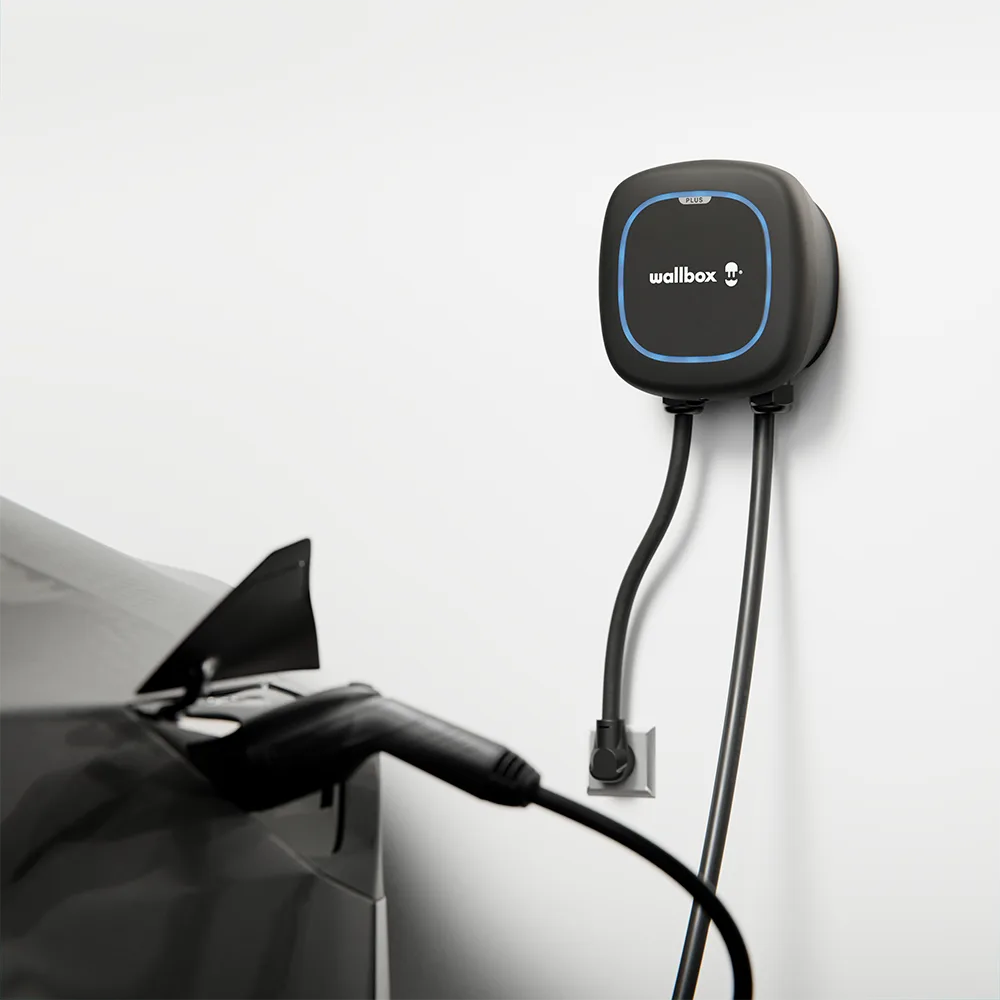
The Wallbox Pulsar Plus is one of the most compact 48A Level 2 EV chargers available, delivering up to 11.5 kW through a well-designed unit barely larger than a hardcover book. Smart features through the myWallbox app include scheduling, energy monitoring, and Power Boost load management. At around $649, it costs more than budget alternatives but offers a polished package. Our rating: 8/10.
What Makes the Wallbox Pulsar Plus Different?
Wallbox is a Barcelona-based company that has quietly become one of the largest EV charger manufacturers in the world. They sell in over 100 countries and went public on the NYSE in 2021. Unlike many competitors that started in other industries and pivoted to EV charging, Wallbox has focused exclusively on charging hardware since its founding in 2015.
The Pulsar Plus is their mid-range residential charger, sitting between the basic Pulsar and the more advanced Pulsar Max. What sets it apart from the competition is its size. At just 8.3 x 8.0 x 4.3 inches, this is the smallest 48A charger you can buy. That might sound like a minor detail, but when you are mounting a charger on a visible wall in your garage or driveway, aesthetics matter.
Key Specifications
| Spec | Detail |
|---|---|
| Max Amperage | 48A (adjustable: 16A, 24A, 32A, 40A, 48A) |
| Max Power | 11.5 kW at 240V |
| Charging Speed | Up to 37 miles of range per hour |
| Cable Length | 25 feet (7.6 m) |
| Connector | J1772 |
| Installation | Hardwired (240V, 60A breaker required for 48A) |
| Dimensions | 8.3" x 8.0" x 4.3" |
| Weight | 12.6 lbs (unit + cable) |
| Connectivity | Wi-Fi + Bluetooth |
| Enclosure | NEMA 4 (indoor/outdoor) |
| Certifications | UL listed, ENERGY STAR |
| Warranty | 3 years |
How Fast Does the Wallbox Pulsar Plus Charge?
At the full 48A setting on a 240V circuit, the Pulsar Plus delivers 11.5 kW. That translates to roughly 37 miles of range added per hour of charging, which is in line with other premium 48A chargers like the ChargePoint Home Flex and Tesla Wall Connector.
Here is what overnight charging looks like for popular EVs:
| Vehicle | Onboard Charger | Time to Charge 20-80% |
|---|---|---|
| Tesla Model Y Long Range | 11.5 kW | ~4 hours |
| Chevy Equinox EV | 11.5 kW | ~4.5 hours |
| Ford Mustang Mach-E | 10.5 kW | ~5 hours |
| Hyundai Ioniq 5 | 11 kW | ~4.5 hours |
| BMW iX | 11 kW | ~5 hours |
For most drivers, plugging in after work means waking up to a full battery. Even at the lower 32A setting (which requires only a 40A breaker), you still get about 25 miles of range per hour, enough to fully charge most EVs overnight.
How Good Is the myWallbox App?
The myWallbox app is the control center for the Pulsar Plus, and it is genuinely well designed. Key features include:
- Charge scheduling - set daily or weekly schedules to charge during off-peak electricity hours. Most utilities charge 30-50% less between 9 PM and 6 AM
- Energy monitoring - track consumption per session, per week, and per month, with cost estimates based on your electricity rate
- Remote control - start, stop, pause, or resume charging from anywhere
- Power Boost - a standout feature that monitors your home's total electrical load and automatically reduces charging power to prevent breaker trips. This is especially useful if your panel is near capacity
- Multi-charger management - if you have two EVs, you can manage multiple Pulsar Plus units from a single account with load balancing
- Guest access - share your charger with family members who have their own accounts
The Power Boost feature deserves special attention. Unlike most chargers that simply draw their maximum regardless of what else is running in your home, Power Boost uses a CT clamp on your electrical panel to monitor total load in real time. If your dryer, AC unit, and oven are all running, the charger automatically reduces its output to stay within your panel's capacity. When those appliances turn off, charging ramps back up. According to Wallbox's product page, this feature is included at no extra cost, though the CT clamp must be installed during setup.
How Does the Pulsar Plus Compare to Other Smart Chargers?
The Pulsar Plus competes in a crowded market of 48A smart chargers. Here is how it stacks up:
| Charger | Max Amps | Speed | Price | Key Advantage |
|---|---|---|---|---|
| Wallbox Pulsar Plus | 48A | 37 mi/hr | ~$649 | Smallest form factor + Power Boost |
| ChargePoint Home Flex | 50A | 37 mi/hr | ~$699 | 50A output + largest charging network app |
| Tesla Wall Connector | 48A | 44 mi/hr | ~$595 | Tesla integration + OTA updates |
| Emporia Smart Level 2 | 48A | 46 mi/hr | ~$429 | Best value + solar integration |
| JuiceBox 48 | 48A | 37 mi/hr | ~$589 | Utility program rebates |
The Pulsar Plus sits in the premium tier alongside the ChargePoint Home Flex, but at a slightly lower price. Its compact design and Power Boost feature are genuine differentiators. However, budget-conscious buyers should note that the Emporia delivers comparable charging speeds for nearly $220 less.
Who Should Buy the Wallbox Pulsar Plus?
The Pulsar Plus is a strong choice if you:
- Care about aesthetics and want the smallest, cleanest-looking charger possible
- Need Power Boost load management because your electrical panel is near capacity
- Want solid smart features (scheduling, energy tracking, remote control)
- Have a 25-foot cable reach requirement for your parking setup
- Plan to add a second charger later (multi-unit load balancing)
Consider alternatives if you:
- Want the lowest price for a smart 48A charger (the Emporia is $220 less)
- Drive a Tesla and want native NACS without an adapter (Tesla Wall Connector)
- Need the highest possible amperage (the ChargePoint Home Flex offers 50A)
- Prefer a plug-in installation over hardwired (the Pulsar Plus requires hardwiring for 48A)
Installation: What You Need to Know
The Wallbox Pulsar Plus requires hardwired installation for the full 48A output. Here is what to expect:
- Circuit requirements - a dedicated 60A breaker and 6-gauge wiring for 48A. If you want to run at lower amperage, a 40A breaker with lighter wiring works for up to 32A
- Location - the NEMA 4 enclosure is rated for rain, dust, and hose-directed water. You can mount it indoors or outdoors without worry
- Professional installation - budget $200-500 for a straightforward garage installation. Longer cable runs or panel upgrades can push costs to $800-2,000
- Power Boost setup - if you want the load management feature, your electrician needs to install a CT clamp on your main breaker during installation
Wallbox offers an installation network through their website, or you can use any licensed electrician familiar with EV charger installations.
How It Compares
The Wallbox Pulsar Plus competes directly with the ChargePoint Home Flex and the Emporia Smart Level 2. Compared to the ChargePoint, the Pulsar Plus is significantly more compact and $50 cheaper, but the ChargePoint offers 50A output and a more established app ecosystem. Against the Emporia ($429), the Pulsar Plus costs $220 more and lacks solar integration, though it wins on build compactness and the Power Boost load management feature. For Tesla owners specifically, the Tesla Wall Connector ($595) provides native NACS support and a 4-year warranty, while the Pulsar Plus requires a J1772 adapter. For a full comparison of the top contenders, see our ChargePoint vs Emporia head-to-head or our Wallbox vs JuiceBox comparison.
Frequently Asked Questions
Does the Wallbox Pulsar Plus work with Tesla vehicles?
Yes. The J1772 connector works with Tesla using the adapter included with every Tesla vehicle. Wallbox also sells a NACS version of the Pulsar Plus for direct Tesla connection without an adapter.
How much electricity does the Pulsar Plus use per month?
A typical EV driven 1,000 miles per month uses roughly 300-350 kWh. At the US average rate of $0.16/kWh, that costs about $48-56 per month. With off-peak scheduling (often $0.08-0.10/kWh), expect $24-35 per month.
Can I install the Pulsar Plus outdoors?
Yes. The NEMA 4 enclosure rating is actually better than the NEMA 3R rating on many competitors. It handles rain, snow, dust, and even direct water spray from a hose.
What is Power Boost and do I need it?
Power Boost monitors your home's electrical load in real time and adjusts charging speed to prevent breaker trips. You need it if your electrical panel is near its maximum capacity (common in older homes with 100A or 150A panels). If you have a modern 200A panel with plenty of headroom, Power Boost is a nice safety net but not essential.
How does the Wallbox Pulsar Plus compare to the ChargePoint Home Flex?
Both are premium smart chargers with excellent apps. The ChargePoint offers slightly higher amperage (50A vs 48A) and a more established app ecosystem. The Pulsar Plus is more compact, costs $50 less, and includes Power Boost load management. For a detailed breakdown, see our ChargePoint Home Flex review.
The Bottom Line
The Wallbox Pulsar Plus earns a solid 8/10 by delivering premium smart charging in the smallest package available. The compact design, Power Boost load management, and capable myWallbox app make it a polished product that looks and performs well. The 25-foot cable and NEMA 4 rating add practical flexibility for nearly any installation scenario.
Where it loses points is price. At $649, it costs significantly more than the Emporia Smart Level 2 ($429), which matches its charging speed and offers solar integration. The 3-year warranty also falls short of Tesla's 4-year coverage. And the J1772-only connector means Tesla owners need an adapter unless they buy the NACS version separately.
If compact design and load management are priorities, the Pulsar Plus is hard to beat. For pure value, look at the Emporia. For the widest range of options, check our roundup of the best home EV chargers in 2026.
Final Score: 8/10
As an affiliate, we earn from qualifying purchases. This does not affect our editorial independence.
Get Notified When Prices Drop
Join our newsletter for exclusive deal alerts, product comparisons, and energy-saving tips.
What Real Users Say
“The Pulsar Plus is tiny. Mounted it next to my garage door opener and you barely notice it. Charges my Model 3 overnight with no issues.”
“Switched from a dumb Level 2 charger to the Pulsar Plus. The scheduling feature alone saves me around $35/month on off-peak rates.”
As an affiliate, we earn from qualifying purchases. This does not affect our editorial independence.
Related Articles
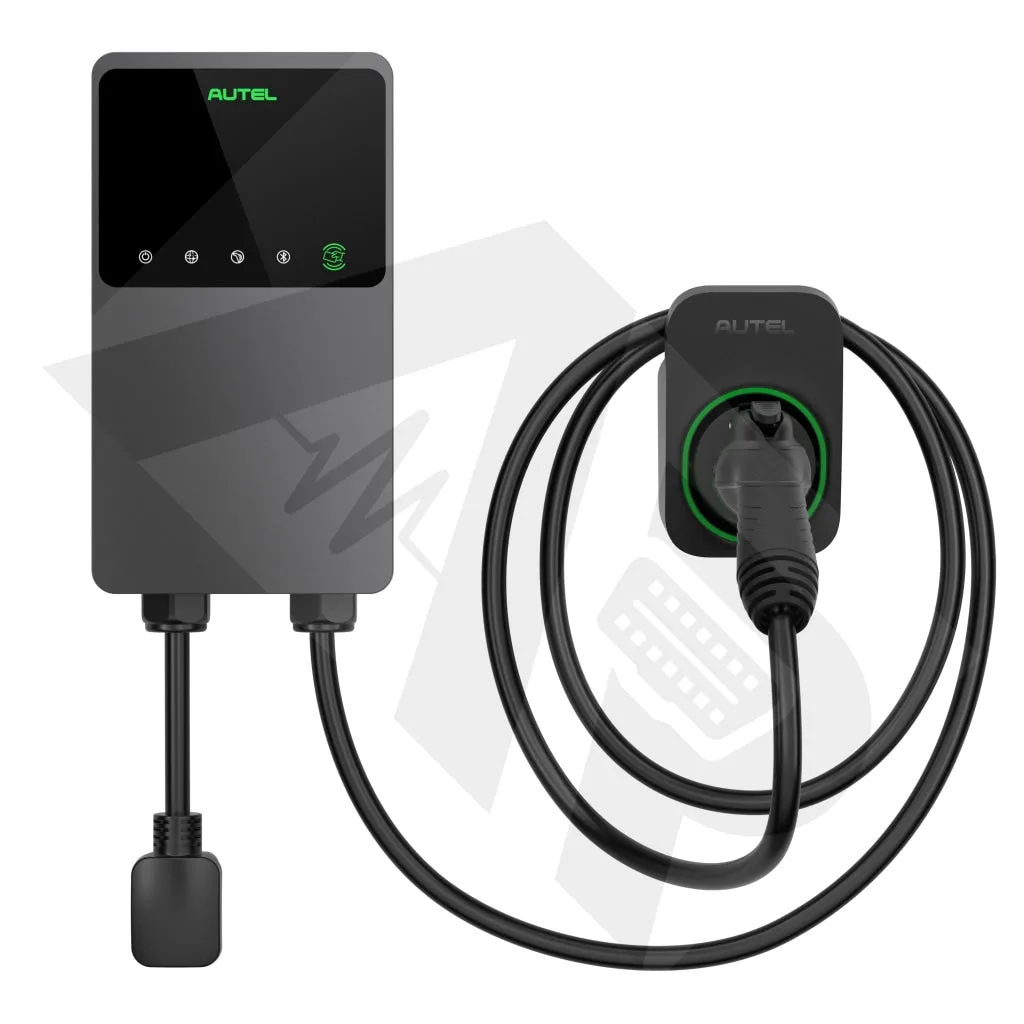
Autel MaxiCharger Home 40A Review: Solid Value With NACS Built In
In-depth review of the Autel MaxiCharger Home 40A EV charger. We test its adjustable 16-40A output, NACS support, app features, and 25-foot cable.
Best EV Charger for Tesla in 2026: 5 Picks for Every Budget
The 5 best EV chargers for Tesla in 2026. From the Tesla Wall Connector to budget picks, find the right charger for your Model 3, Y, S, or X.
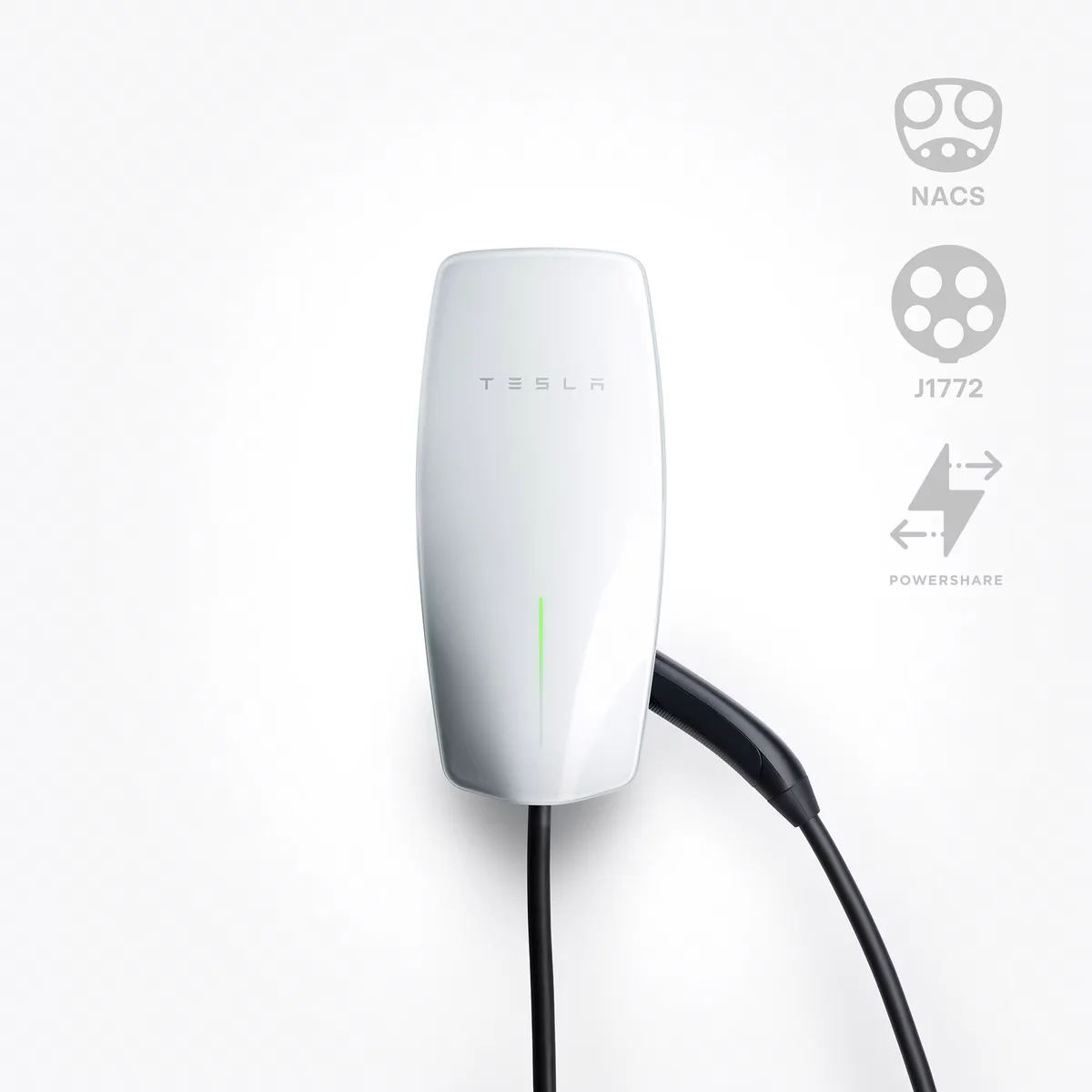
Tesla Universal Wall Connector Review: Worth It for Non-Tesla Drivers Too?
In-depth review of the Tesla Universal Wall Connector. We cover its 48A output, NACS + J1772 compatibility, 24-foot cable, Wi-Fi updates, and 4-year warranty.