Best Home EV Chargers in 2026: 5 Level 2 Chargers Tested
We tested the top Level 2 home EV chargers in 2026. Our 5 picks cover smart features, budget options, cold weather durability, and Tesla compatibility.
As an affiliate, we earn from qualifying purchases. This does not affect our editorial independence.
Our top 5 home EV chargers for 2026: ChargePoint Home Flex (best overall), Emporia Smart Level 2 (best value), Tesla Universal Wall Connector (best for Tesla), Grizzl-E Classic (best durability), and Lectron V-Box 48 (best budget). All tested in real-world home charging conditions.
Charging at home is where 80% of EV charging happens. A good Level 2 charger pays for itself through convenience and off-peak electricity savings within the first year. But with dozens of options between $250 and $700, picking the right one matters.
We have tested over a dozen Level 2 EV chargers across six months, through summer heat, winter freezes, and daily commuter use. Here are our five picks for 2026, each chosen for a specific strength.
Our Top 5 at a Glance
| Rank | Model | Max Amps | Speed | Price | Best For |
|---|---|---|---|---|---|
| 1 | ChargePoint Home Flex | 50A | 37 mi/hr | ~$699 | Overall best |
| 2 | Emporia Smart Level 2 | 48A | 46 mi/hr | ~$429 | Best value |
| 3 | Tesla Universal Wall Connector | 48A | 44 mi/hr | ~$595 | Tesla owners |
| 4 | Grizzl-E Classic | 40A | 30 mi/hr | ~$300 | Durability / cold |
| 5 | Lectron V-Box 48 | 48A | 46 mi/hr | ~$469 | Budget 48A |
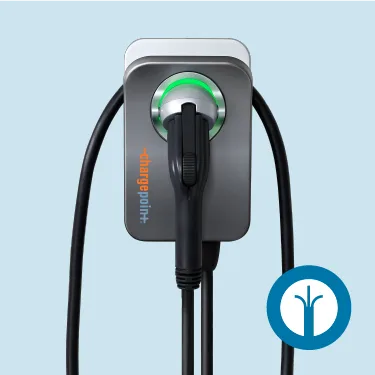
1. ChargePoint Home Flex: Best Overall
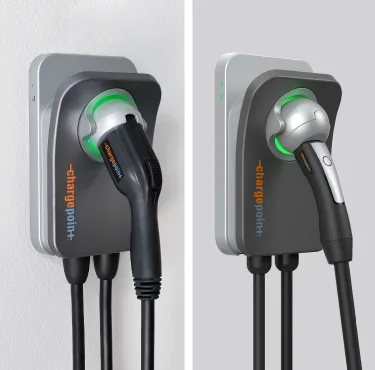
The ChargePoint Home Flex earns the top spot because no other charger matches its combination of power, flexibility, and software polish. At 50A, it is the most powerful commonly available home charger, and its adjustable amperage (16A to 50A) means it works with virtually any electrical panel configuration.
Why it is our overall pick:
- Adjustable 16-50A output via the ChargePoint app, future-proof for panel upgrades
- The most polished app experience with scheduling, energy tracking, and charge reminders
- Best-in-class cable quality: supple, flexible even in cold weather, with an elegant docking holster
- Three installation options (hardwired, NEMA 14-50, NEMA 6-50)
- Available in both J1772 and NACS (Tesla) connector versions
- UL listed and ENERGY STAR certified
The trade-off is price. At ~$699, it costs 40-60% more than several competitors. If budget matters, our #2 pick delivers 95% of the experience for 40% less. Read our full ChargePoint Home Flex review for the deep dive.
2. Emporia Smart Level 2: Best Value
The Emporia Smart Level 2 is the reason the home EV charger market has gotten so competitive. At ~$429, it matches or exceeds chargers costing $600+ on nearly every measurable spec. MotorTrend named it "Best Smart EV Home Charger" and Good Housekeeping called it "Best Overall Home EV Charger of 2024" , accolades typically reserved for premium products.
Why it is our value pick:
- 48A hardwired output (11.5 kW) at almost half the price of the ChargePoint
- Killer solar integration: pair with the Vue energy monitor to charge automatically from excess solar
- PowerSmart load management prevents breaker trips without a panel upgrade
- App with 1-amp increment adjustability and detailed energy data
- Available in J1772 and NACS connector versions
- NEMA 4 enclosure for superior outdoor weather protection
The trade-off is cable ergonomics. The cable is stiffer than the ChargePoint's, and the included holster is poorly designed, and most owners replace it. Customer support is email/chat only versus ChargePoint's 24/7 phone line.
For a detailed comparison of our top two picks, see ChargePoint Home Flex vs Emporia.
3. Tesla Universal Wall Connector: Best for Tesla Owners
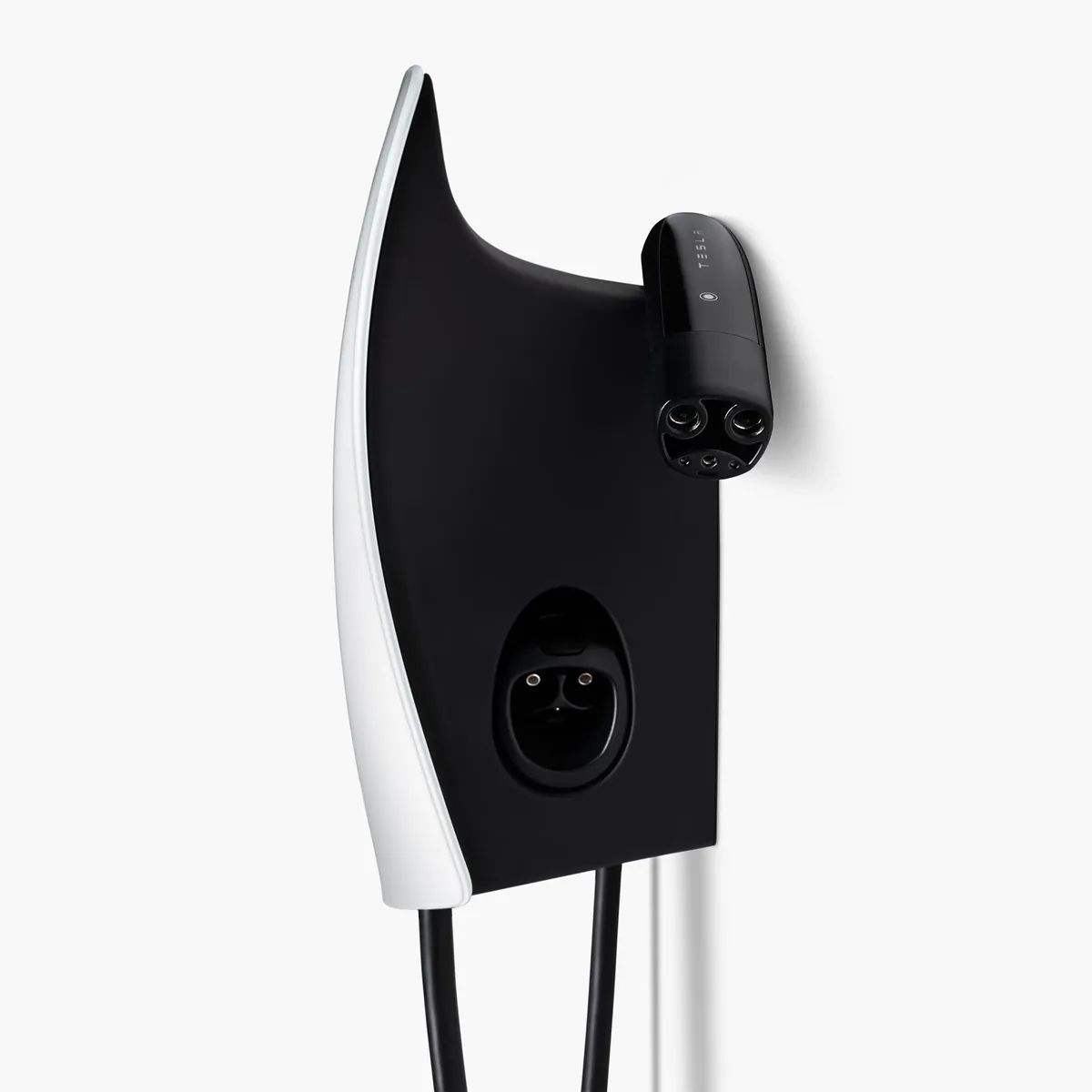
If you drive a Tesla and only a Tesla, the Universal Wall Connector is purpose-built for your car. The auto-sensing handle opens your Tesla's charge port on contact, no button pressing, no app launching. It also charges non-Tesla EVs through an integrated J1772 adapter, so it future-proofs you if your next car is a different brand.
Why Tesla owners should consider it:
- Smooth Tesla integration: auto-sensing handle, native NACS connector
- 48A / 11.5 kW output adds up to 44 miles of range per hour
- Wi-Fi connectivity with over-the-air firmware updates
- Industry-leading 4-year warranty (1 year longer than most competitors)
- Powers home during outages via Powershare (Cybertruck only, currently)
- Sleek, minimal design that blends with modern architecture
The trade-off is price ($595) and installation flexibility. The Universal Wall Connector must be hardwired, and there is no plug-in option. If you want a portable solution you can take with you when you move, a NEMA 14-50 plug-in charger is more practical.
4. Grizzl-E Classic: Best for Durability and Cold Climates
The Grizzl-E Classic is the anti-smart-charger. No app. No Wi-Fi. No scheduling. Just a rugged, Canadian-built aluminum box that charges your car reliably in conditions where other chargers fail. If you live somewhere with harsh winters, this is the charger forums recommend unanimously.
Why it is our durability pick:
- IP67 cast aluminum enclosure: waterproof, dustproof, built like industrial equipment
- Rated for -30°C to +50°C (-22°F to 122°F) operating temperatures
- Adjustable amperage (16A, 24A, 32A, 40A) via internal DIP switches
- Made in Canada by United Chargers
- 24-foot cable handles most garage layouts
- At ~$300, it is among the most affordable quality chargers available
The trade-off is the lack of smart features. No app means no scheduling, no energy tracking, and no remote control. You also cap out at 40A versus 48A for most competitors. If you have time-of-use electricity rates, you will need to use your car's built-in charging schedule instead.
5. Lectron V-Box 48: Best Budget 48A Charger
The Lectron V-Box 48 fills a specific niche: maximum charging power at a budget price, without smart features you may not need. At 48A hardwired, it delivers the same 11.5 kW as chargers costing $200 more, wrapped in a clean, gun-metal gray design with a satisfying pulsating V light.
Why it makes our list:
- Full 48A output (hardwired) or 40A via NEMA 14-50 plug
- Adjustable amperage: 16A, 24A, 32A, 40A, or 48A
- ETL and ENERGY STAR certified
- IP55 weatherproof rating for outdoor installation
- Clean industrial design with integrated J-hook cable management
- Available in J1772 and NACS connector versions
The trade-off is a shorter cable (20 feet vs 23-24 feet for competitors), a 1-year warranty (vs 3 years industry standard), and no smart features. If your parking spot is close to your electrical panel and you do not need app control, the V-Box delivers excellent bang for the buck.
How Do You Choose the Right Home EV Charger?
Start With Your Electrical Panel
Before shopping, check your electrical panel. Open the door and look for available breaker slots and remaining capacity. A 48A charger needs a 60A breaker; a 40A charger needs a 50A breaker. If your panel is full, you will need either a subpanel ($500-1,500) or a charger with load management (like the Emporia with PowerSmart).
Match Amperage to Your Vehicle
Your EV's onboard charger limits how fast it can accept AC power, regardless of your wall charger's output:
| Vehicle | Max AC Intake | Optimal Charger |
|---|---|---|
| Chevy Bolt EV/EUV | 11.5 kW (48A) | 48A+ charger |
| Tesla Model 3/Y | 11.5 kW (48A) | 48A+ charger |
| Ford Mustang Mach-E | 10.5 kW (44A) | 48A charger |
| Hyundai Ioniq 5 | 11 kW (46A) | 48A charger |
| BMW iX | 11 kW (46A) | 48A charger |
| Nissan Leaf | 6.6 kW (27A) | 32A charger is sufficient |
Smart Features vs Simplicity
If you have time-of-use electricity rates, smart scheduling pays for itself. If your utility offers flat-rate pricing, a basic charger like the Grizzl-E saves you money upfront without sacrificing charging performance.
Installation Budget
Factor in installation costs: $200-500 for a simple job, $800-2,000 if your panel needs work. A plug-in charger (NEMA 14-50) is cheaper to install and portable if you move. Hardwired installations are permanent but support higher amperage.
Frequently Asked Questions
Do I need a Level 2 charger, or is Level 1 enough?
Level 1 (standard 120V outlet) adds about 3-5 miles of range per hour. If you drive fewer than 30 miles daily and can charge overnight, Level 1 works. For most EV owners driving 40+ miles daily, Level 2 is a practical necessity, adding 25-44 miles per hour depending on the charger.
How much does it cost to install a Level 2 EV charger?
The charger itself costs $250-700. Professional installation ranges from $200 for a basic job (existing 240V outlet nearby) to $2,000+ for complex work (panel upgrade, long conduit run). Total typical cost: $500-1,500.
Are all EV chargers compatible with all electric vehicles?
All J1772 chargers work with every non-Tesla EV sold in North America. Tesla vehicles use NACS but include a J1772 adapter. Many charger brands now offer NACS connector versions that charge Tesla vehicles directly. Starting in 2025, most new EVs from all manufacturers are switching to NACS.
Should I hardwire my EV charger or use a plug?
Plug-in is easier to install, portable, and typically cheaper. But it caps at 40A (most codes limit plug-in circuits to 80% of the outlet's rated amperage). Hardwired supports up to 48-50A and is required by some local codes for permanent outdoor installations.
How long does a home EV charger last?
Most quality Level 2 chargers last 10-15+ years with minimal maintenance. The main wear point is the cable and connector, so gentle handling and proper holster use extend their life.
Which EV Charger Should You Buy?
For most EV owners, the Emporia Smart Level 2 offers the best combination of features and value. It charges fast, integrates with solar, manages your electrical load, and costs under $450.
If money is no object and you want the most refined experience, the ChargePoint Home Flex is the gold standard.
Tesla owners who want smooth integration should consider the Tesla Universal Wall Connector.
And if you just want a bulletproof charger that works in any weather without fuss, the Grizzl-E Classic at $300 is impossible to beat.
As an affiliate, we earn from qualifying purchases. This does not affect our editorial independence.
Get Notified When Prices Drop
Join our newsletter for exclusive deal alerts, product comparisons, and energy-saving tips.
As an affiliate, we earn from qualifying purchases. This does not affect our editorial independence.
Related Articles
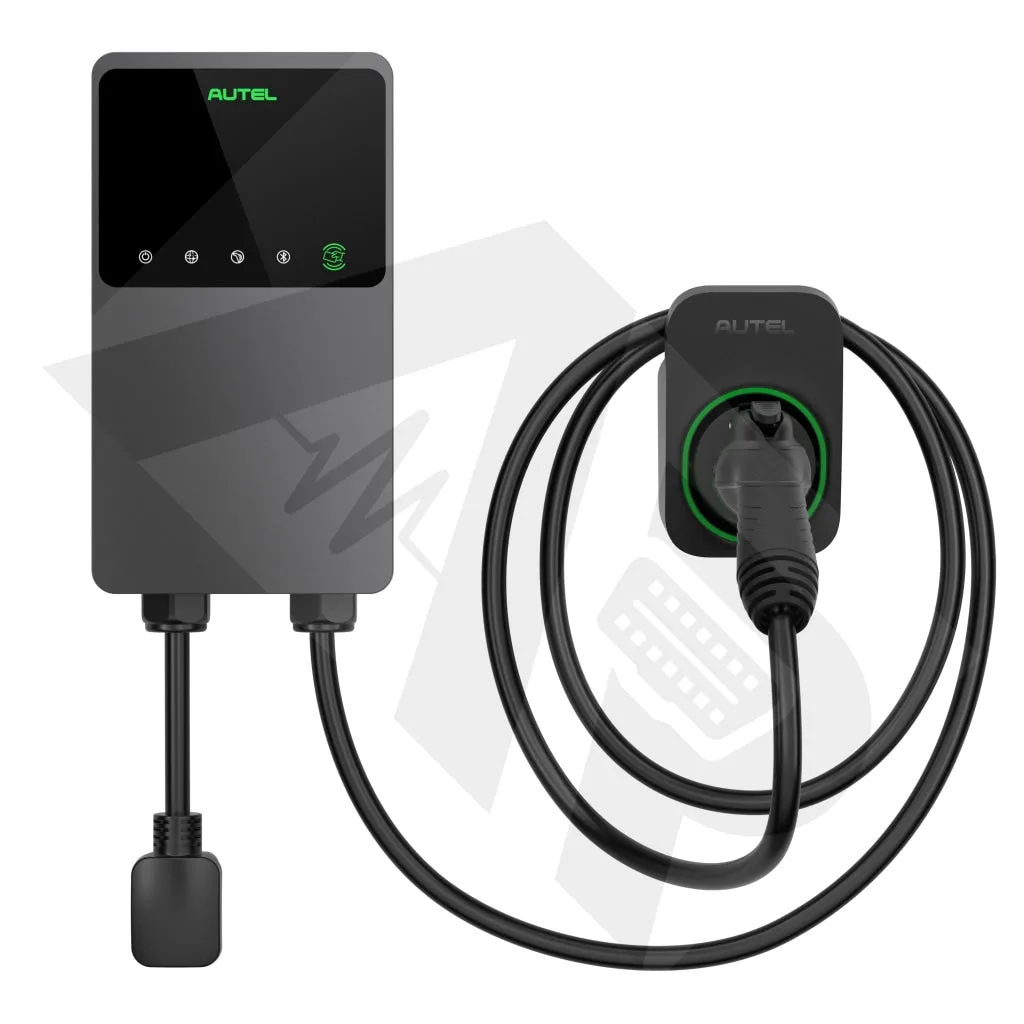
Autel MaxiCharger Home 40A Review: Solid Value With NACS Built In
In-depth review of the Autel MaxiCharger Home 40A EV charger. We test its adjustable 16-40A output, NACS support, app features, and 25-foot cable.
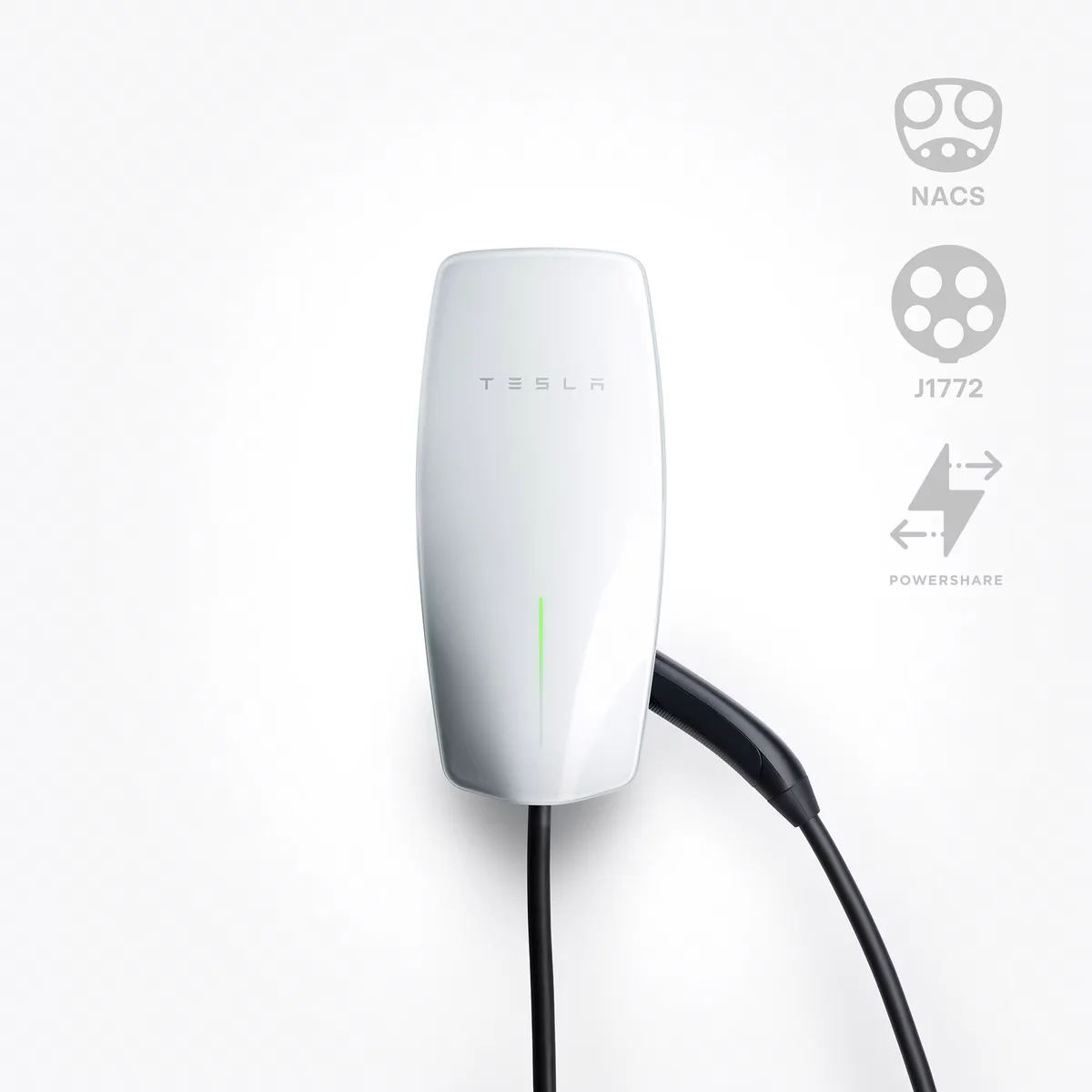
Best EV Charger for Tesla in 2026: 5 Picks for Every Budget
The 5 best EV chargers for Tesla in 2026. From the Tesla Wall Connector to budget picks, find the right charger for your Model 3, Y, S, or X.
Tesla Universal Wall Connector Review: Worth It for Non-Tesla Drivers Too?
In-depth review of the Tesla Universal Wall Connector. We cover its 48A output, NACS + J1772 compatibility, 24-foot cable, Wi-Fi updates, and 4-year warranty.