Autel MaxiCharger Home 40A Review: Solid Value With NACS Built In
In-depth review of the Autel MaxiCharger Home 40A EV charger. We test its adjustable 16-40A output, NACS support, app features, and 25-foot cable.
As an affiliate, we earn from qualifying purchases. This does not affect our editorial independence.
Pros
- ✓Excellent price-to-performance ratio at ~$499
- ✓NACS connector option charges Tesla vehicles natively without adapters
- ✓Adjustable amperage from 16A to 40A via the Autel Charge app
- ✓25-foot cable is one of the longest in the category
- ✓Clean app with scheduling, energy tracking, and load management
- ✓Indoor/outdoor rated with NEMA 4 enclosure (better than most competitors)
Cons
- ✗40A max is lower than 48-50A competitors like ChargePoint or Emporia
- ✗Brand is newer to the EV charging space compared to ChargePoint
- ✗No solar integration or TOU rate optimization in the app
- ✗3-year warranty matches most competitors but trails Tesla's 4-year coverage
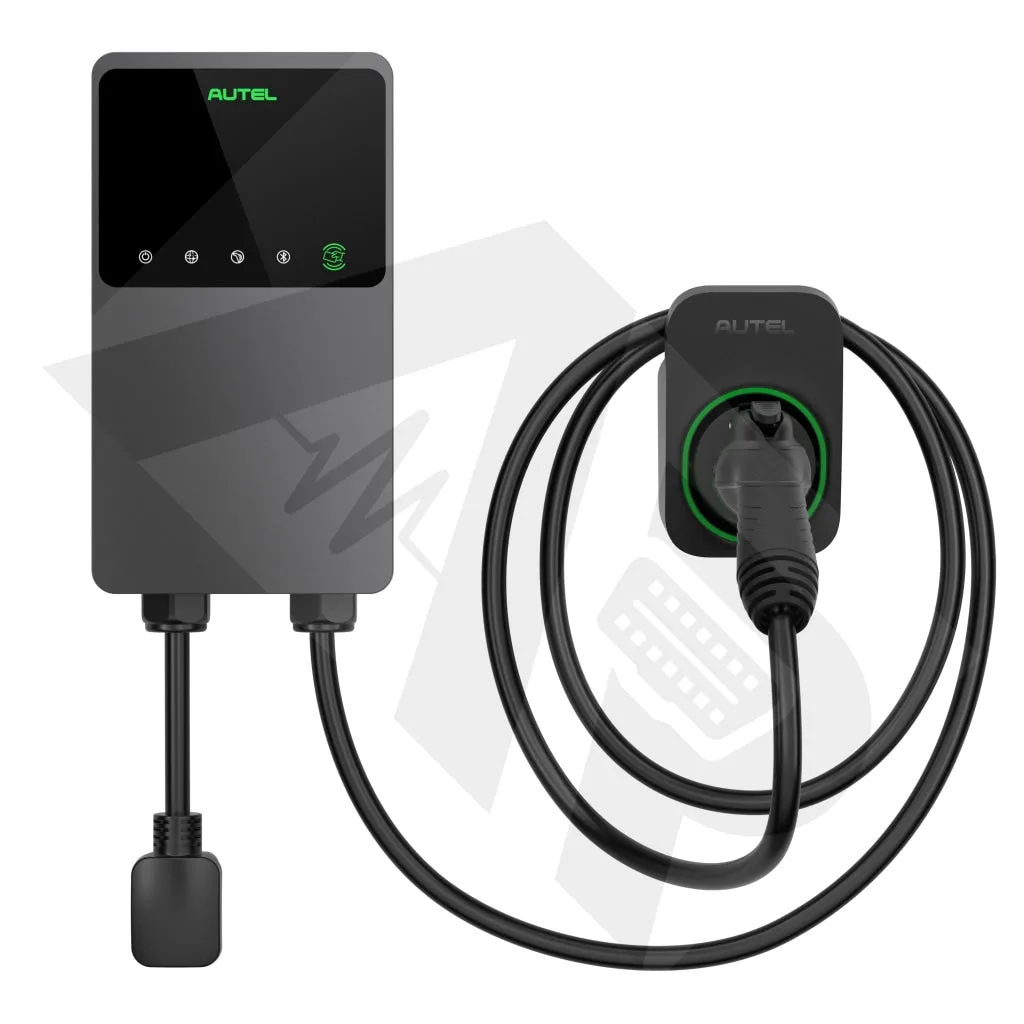
The Autel MaxiCharger Home 40A is a strong mid-range Level 2 EV charger delivering up to 9.6 kW with adjustable amperage, a 25-foot cable, and native NACS support for Tesla vehicles. At roughly $499, it undercuts premium options by $100-200 while offering a polished app experience and excellent weather resistance. Our rating: 8/10.
Who Is Autel, and Why Should You Trust Their EV Charger?
Autel is a name you might not associate with EV charging. The company built its reputation in the automotive diagnostics world, making professional-grade scan tools used by mechanics across North America. Their move into EV charging started in 2022 with commercial stations, and the MaxiCharger Home line brought that commercial-grade engineering to residential use.
That diagnostics heritage shows in the build quality. The MaxiCharger Home 40A feels overbuilt in a good way, with a NEMA 4 enclosure (one step above the NEMA 3R rating most competitors offer) and a cable that stays flexible in cold weather.
Key Specifications
| Spec | Detail |
|---|---|
| Max Amperage | 40A (adjustable: 16A, 24A, 32A, 40A) |
| Max Power | 9.6 kW at 240V |
| Charging Speed | Up to 30 miles of range per hour |
| Cable Length | 25 feet (7.6 m) |
| Connector | J1772 or NACS (Tesla) |
| Installation | Hardwired or NEMA 14-50 plug-in |
| Enclosure Rating | NEMA 4 (rain, snow, dust, hose-down) |
| Wi-Fi | Yes (2.4 GHz) |
| Dimensions | 12.8" x 7.5" x 4.3" |
| Warranty | 3 years |
| Price | ~$499 |
How Fast Does the Autel MaxiCharger Charge?
At its full 40A setting on a 240V circuit, the MaxiCharger delivers 9.6 kW. That translates to roughly 30 miles of range per hour for most EVs. Here is what that looks like in practice:
| Vehicle | Onboard Charger | Charge Time (20% to 80%) |
|---|---|---|
| Tesla Model Y | 11 kW (limited to 9.6 kW) | ~5 hours |
| Chevy Equinox EV | 11.5 kW (limited to 9.6 kW) | ~5.5 hours |
| Ford Mustang Mach-E | 10.5 kW (limited to 9.6 kW) | ~4.5 hours |
| Hyundai Ioniq 5 | 11 kW (limited to 9.6 kW) | ~5 hours |
Is 40A enough? For overnight charging, absolutely. Even at a reduced 32A setting (7.7 kW), most EVs will charge from 20% to 80% in 6-8 hours. If you plug in at 9 PM, you wake up with a full battery regardless. The 40A cap only matters if you need the fastest possible top-up during short stops at home.
According to Autel's official product page, the unit supports both NEMA 14-50 plug-in and hardwired configurations. The plug-in version draws 40A on a 50A circuit, while hardwired installation also runs at 40A on a 50A breaker.
What Is the Autel Charge App Like?
The Autel Charge app surprised us. For a company that is relatively new to home EV charging, the app is polished and functional. Key features include:
- Charge scheduling: set start and stop times to take advantage of off-peak electricity rates
- Energy monitoring: track kWh consumed per session, per week, and per month
- Amperage adjustment: change the charging current remotely from 16A to 40A
- Charging history: full log of every session with duration and energy used
- Load management: connect up to 10 chargers on a shared circuit (useful for multi-car households)
The load management feature is a standout. If you have two EVs and a single 60A circuit, the app can split the available power between two MaxiChargers automatically. Most competitors charge extra for this capability or do not offer it at all.
One gap: the app does not support time-of-use rate input, so it cannot calculate your actual charging cost. You can schedule around TOU rates manually, but there is no automatic optimization like ChargePoint offers.
How Does the Build Quality Hold Up?
The NEMA 4 enclosure rating is the headline here. While most home EV chargers carry a NEMA 3R rating (protected from falling rain), NEMA 4 adds protection against splashing water, hose-directed water, and dust. If your charger is exposed to sprinklers, car washes, or heavy storms, that extra protection matters.
The 25-foot cable is generous. It is two feet longer than the ChargePoint Home Flex and matches the Wallbox Pulsar Plus. For driveways where the charger cannot be mounted directly next to the parking spot, that extra length eliminates the need for a longer (and more expensive) electrical run.
Cable quality is good, though not quite at ChargePoint's level. It remains reasonably flexible in cold weather but stiffens slightly below 20F. The integrated holster keeps things tidy.
How Does It Compare to Other Home EV Chargers?
| Feature | Autel MaxiCharger 40A | ChargePoint Home Flex | Emporia Smart L2 | Grizzl-E Classic |
|---|---|---|---|---|
| Max Amps | 40A | 50A | 48A | 40A |
| Power | 9.6 kW | 12 kW | 11.5 kW | 9.6 kW |
| Speed | 30 mi/hr | 37 mi/hr | 46 mi/hr | 30 mi/hr |
| Cable | 25 ft | 23 ft | 24 ft | 24 ft |
| NACS | Yes | Yes | Yes | No |
| App | Good | Excellent | Excellent | None |
| Price | ~$499 | ~$699 | ~$429 | ~$300 |
| Warranty | 3 years | 3 years | 3 years | 3 years |
The Autel sits in interesting territory. It costs $200 less than the ChargePoint Home Flex but delivers less power (9.6 kW vs 12 kW). It costs $70 more than the Emporia but offers a better enclosure rating and a longer cable. Against the no-frills Grizzl-E Classic, the Autel adds smart features and NACS support for $200 more.
For a full breakdown of every option, check our best home EV chargers for 2026 roundup.
Who Should Buy the Autel MaxiCharger Home 40A?
This charger is a great fit if you:
- Drive a Tesla and want native NACS charging without adapters
- Need a long cable (25 ft) for flexible installation
- Want smart features without paying the ChargePoint premium
- Install the charger outdoors and value the superior NEMA 4 rating
- Have a multi-EV household (the load management feature is genuinely useful)
Consider alternatives if you:
- Need maximum charging speed. The ChargePoint Home Flex delivers 50A (12 kW) for drivers who want the fastest overnight charge
- Want the absolute cheapest smart charger. Emporia undercuts the Autel by $70
- Drive a Tesla and want deep vehicle integration. The Tesla Wall Connector communicates directly with Tesla vehicles for features like scheduled departure
Installation: What to Expect
The MaxiCharger Home 40A offers two installation paths:
- NEMA 14-50 plug-in: simplest option if you already have a 240V outlet. Runs at 40A on a 50A circuit.
- Hardwired: recommended for outdoor installations or when local codes require it. Same 40A output.
Both options require a 50A breaker (NEC 80% continuous load rule: 40A continuous on a 50A breaker). Professional installation typically costs $200-500, though panel-to-garage runs can be higher depending on distance.
The Bottom Line
The Autel MaxiCharger Home 40A earns an 8/10 by delivering the features most EV owners actually need at a fair price. The NACS support, 25-foot cable, load management, and NEMA 4 enclosure all add genuine value. The 40A cap means it charges slightly slower than 48-50A competitors, but for overnight charging, the difference is negligible.
At $499, it sits in the sweet spot between budget chargers that lack smart features and premium options that cost $200+ more. If you want a reliable, well-built smart charger without overpaying, the MaxiCharger is an easy recommendation.
Overall Rating: 8/10
How It Compares
The Autel MaxiCharger Home 40A sits in a competitive mid-range segment. Compared to the ChargePoint Home Flex, it costs $200 less but delivers lower power (9.6 kW vs 12 kW) and a less mature app. The Emporia Smart Level 2 ($429) undercuts the Autel by $70 and offers solar integration plus load management, though the Autel counters with a better NEMA 4 enclosure and a longer 25-foot cable. For a full look at all options in this category, see our best home EV chargers for 2026 roundup.
Frequently Asked Questions
Does the Autel MaxiCharger Home 40A work with Tesla vehicles?
Yes. Autel offers a NACS connector version (Amazon ASIN: B0B3RLFF2D) that charges Tesla vehicles natively without any adapter. The J1772 version also works with Tesla using the adapter that comes with every Tesla.
How much electricity does the Autel MaxiCharger use per month?
A typical EV driven 1,000 miles per month uses about 300 kWh. At the US average rate of $0.16/kWh, that is roughly $48/month. With off-peak scheduling (often $0.08-0.10/kWh), monthly costs drop to $24-30.
Can I install the Autel MaxiCharger outdoors?
Yes. The NEMA 4 enclosure rating makes it one of the best-protected home EV chargers for outdoor installation. It handles rain, snow, dust, and even direct water spray.
Is 40A enough, or should I get a 48A charger?
For overnight charging, 40A is more than sufficient. At 9.6 kW, you add roughly 30 miles of range per hour, meaning a full 300-mile battery charges from 20% to 80% in about 5-6 hours. The extra speed of a 48A charger (about 37-46 mi/hr) only matters if you need rapid top-ups during short home visits.
How does the Autel MaxiCharger compare to the ChargePoint Home Flex?
The ChargePoint offers more power (50A / 12 kW vs 40A / 9.6 kW) and a more mature app, but costs $200 more (~$699 vs ~$499). The Autel counters with a longer cable (25 ft vs 23 ft), better weather protection (NEMA 4 vs NEMA 3R), and built-in load management. For most overnight charging scenarios, the performance difference is minimal.
Sources:
- Autel MaxiCharger Home, Official product page: autelenergy.com
- ChargePoint Home Flex, Official specifications: chargepoint.com
- NEC 625.40, EV charging circuit requirements
Last updated: March 2026
As an affiliate, we earn from qualifying purchases. This does not affect our editorial independence.
Get Notified When Prices Drop
Join our newsletter for exclusive deal alerts, product comparisons, and energy-saving tips.
What Real Users Say
“Been using the MaxiCharger for eight months. The 25-foot cable reaches both cars in our driveway easily, and the NACS version means no adapter hassle for my Model 3.”
“For $500, this thing punches way above its weight. The app is surprisingly polished and the NEMA 4 rating means I don't worry about it being on the side of my house.”
As an affiliate, we earn from qualifying purchases. This does not affect our editorial independence.
Related Articles
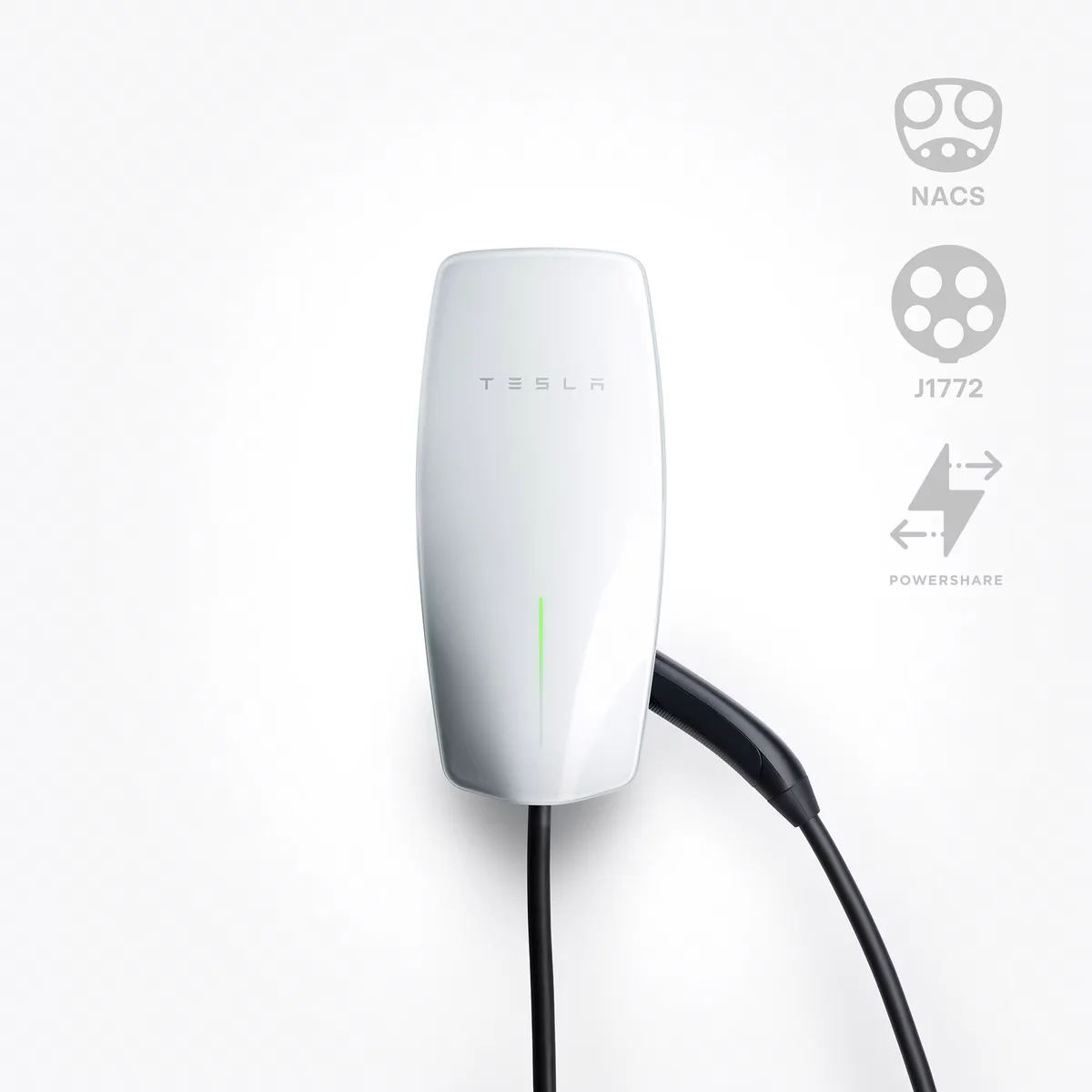
Best EV Charger for Tesla in 2026: 5 Picks for Every Budget
The 5 best EV chargers for Tesla in 2026. From the Tesla Wall Connector to budget picks, find the right charger for your Model 3, Y, S, or X.
Tesla Universal Wall Connector Review: Worth It for Non-Tesla Drivers Too?
In-depth review of the Tesla Universal Wall Connector. We cover its 48A output, NACS + J1772 compatibility, 24-foot cable, Wi-Fi updates, and 4-year warranty.
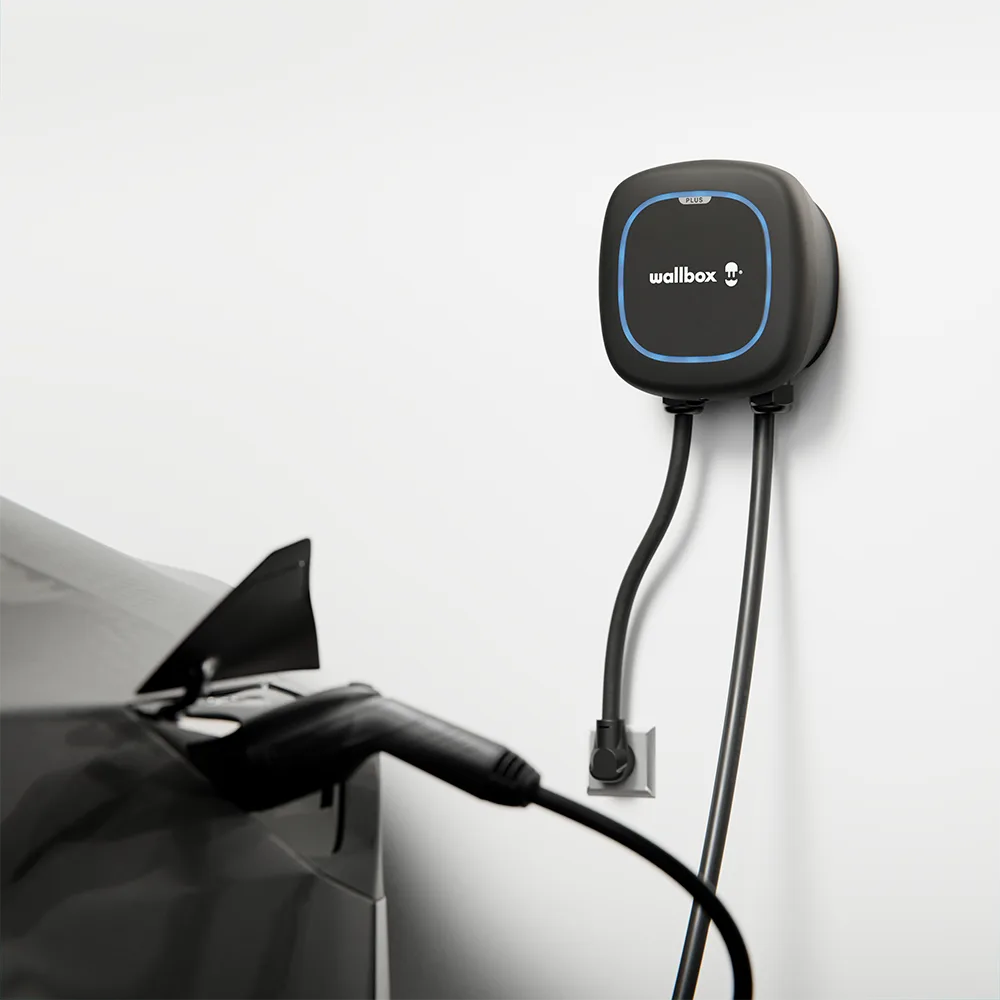
Wallbox Pulsar Plus Review: A Compact Smart Charger Worth the Premium?
Wallbox Pulsar Plus review: 48A output in the smallest charger available. We test its compact design, smart scheduling, and myWallbox app. Rating: 8/10.