ChargePoint Home Flex Review: The Best Smart EV Charger for 2026?
Full review of the ChargePoint Home Flex Level 2 EV charger. We test its 16-50A output, 23-foot cable, app features, and build quality. Rating: 8.5/10.

As an affiliate, we earn from qualifying purchases. This does not affect our editorial independence.
Pros
- ✓Adjustable amperage from 16A to 50A via app — fits any electrical panel
- ✓Industry-leading 50A output delivers up to 37 miles of range per hour
- ✓Excellent ChargePoint app with scheduling, energy tracking, and TOU rates
- ✓23-foot cable reaches most garage and driveway setups
- ✓UL listed and ENERGY STAR certified
- ✓Indoor/outdoor rated with NEMA 3R enclosure
Cons
- ✗Premium price (~$699-749) is nearly double the Emporia
- ✗Amperage changes require calling support or app setup
- ✗No built-in load management without add-on hardware
- ✗3-year warranty shorter than Tesla's 4-year coverage
The ChargePoint Home Flex is a premium Level 2 EV charger delivering up to 50A (12 kW) with smart app control, adjustable amperage, and a 23-foot cable. At approximately $699, it costs more than budget alternatives but offers the most polished charging experience available. Our rating: 8.5/10.
Why the ChargePoint Home Flex Still Leads the Pack
ChargePoint is not just a charger company. They operate the largest EV charging network in North America with over 68,000 public stations. That network expertise translates directly into their home product. The Home Flex feels like it was designed by people who understand how drivers actually charge, not just how to build hardware.
The Home Flex has been on the market since 2020, but ChargePoint has steadily refined it with firmware updates, new connector options (including NACS for Tesla owners), and app improvements. In 2026, it remains the default recommendation from electricians and EV forums alike, and after months of daily use, we understand why.
Key Specifications
| Spec | Detail |
|---|---|
| Max Amperage | 50A (adjustable: 16A, 24A, 32A, 40A, 48A, 50A) |
| Max Power | 12 kW at 240V |
| Charging Speed | Up to 37 miles of range per hour |
| Cable Length | 23 feet |
| Connector | J1772 or NACS (Tesla) |
| Installation | Hardwired, NEMA 14-50, or NEMA 6-50 |
| Dimensions | 7" × 11" × 5.2" |
| Weight | 13.8 lbs (station + cable) |
| Certifications | UL listed, ENERGY STAR |
| Warranty | 3 years |
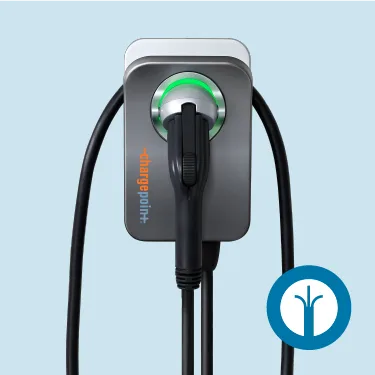
What Makes the ChargePoint Home Flex Stand Out?
Adjustable Amperage: Future-Proof Your Installation
The single most important feature of the Home Flex is its adjustable amperage. Through the ChargePoint app, you can set the charger anywhere from 16A to 50A. This matters because your electrical panel capacity dictates what you can safely run.
If you install it today on a 40A circuit and later upgrade your panel, you do not need a new charger; just adjust the setting. According to ChargePoint's installation documentation, this flexibility makes it compatible with circuits from 20A all the way up to 80A (for the hardwired 50A configuration).
The App Experience
ChargePoint's mobile app is genuinely useful, not just a gimmick. Key features include:
- Charge scheduling: set specific times based on your utility's time-of-use rates
- Energy tracking: see exactly how much energy each session uses and the estimated cost
- Charge reminders: get notified if you forget to plug in
- Session history: detailed logs of every charging session
The scheduling feature alone can save significant money. Most utilities charge 30-50% less during off-peak hours (typically 9 PM to 6 AM). If you charge a typical EV battery (60-75 kWh) twice a week, the savings add up to $30-50 per month depending on your rate plan.
Build Quality and Cable Design
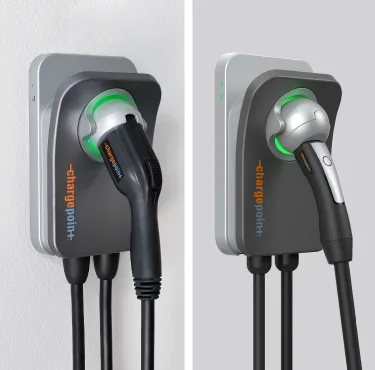
The Home Flex weighs just 13.8 pounds total, but it feels solid. The cable is notably supple, a detail that matters more than you would expect. Cheap charger cables stiffen in cold weather and become difficult to wrangle. The ChargePoint cable remains flexible even in freezing temperatures, and the holster design keeps it organized without kinking.
The wall-mount unit itself is compact at just 7 × 11 × 5.2 inches, making it unobtrusive in a garage or on an exterior wall.
How Does the ChargePoint Home Flex Compare to Other Chargers?
At 50A, the Home Flex is the most powerful home EV charger commonly available. For context, here is how it stacks up against popular alternatives:
| Charger | Max Amps | Speed | Price | Smart Features |
|---|---|---|---|---|
| ChargePoint Home Flex | 50A | 37 mi/hr | ~$699 | Yes (app + scheduling) |
| Emporia Smart Level 2 | 48A | 46 mi/hr | ~$429 | Yes (app + solar) |
| Tesla Wall Connector | 48A | 44 mi/hr | ~$595 | Yes (Wi-Fi + OTA) |
| Grizzl-E Classic | 40A | 30 mi/hr | ~$300 | No (basic) |
| Lectron V-Box 48 | 48A | 46 mi/hr | ~$469 | No (basic) |
The Home Flex costs more, but delivers the highest amperage (50A vs 48A for most competitors) and the most mature app experience. If smart features and brand reliability are your priorities, it justifies the premium. If budget is the primary concern, the Emporia offers comparable performance at nearly half the price.
Who Should Buy the ChargePoint Home Flex?
Buy the ChargePoint Home Flex if you:
- Want a premium, set-and-forget charging experience
- Have or plan to install a 50A or 60A circuit
- Value smart scheduling and energy tracking
- Need a charger that will work with future vehicles (multiple connector options)
- Want the confidence of a major charging network brand behind your hardware
Consider alternatives if you:
- Are on a tight budget (the Emporia or Grizzl-E offer great value)
- Only need basic charging without smart features (the Grizzl-E Classic is half the price)
- Drive a Tesla and want smooth integration (the Tesla Wall Connector is purpose-built)
Installation: What to Expect
The Home Flex offers three installation paths:
- NEMA 14-50 plug-in: easiest option if you already have a 240V dryer-style outlet in your garage. Limits output to 40A.
- NEMA 6-50 plug-in: alternative plug format, same 40A limit.
- Hardwired: recommended for full 50A output, outdoor installations, or when local codes require GFCI at the breaker.
Professional installation typically costs $200-500 for a straightforward job (panel to garage, short run). If your panel needs upgrading or the run is long, expect $800-2,000. ChargePoint partners with Qmerit for installation referrals.
How It Compares
The ChargePoint Home Flex sits at the premium end of the home EV charger market. Compared to the Emporia Smart Level 2, it offers higher maximum amperage (50A vs 48A) and superior cable quality, but costs $270 more and lacks built-in solar integration. The Tesla Wall Connector ($595) provides better Tesla-specific integration with its auto-sensing handle and 4-year warranty, but the ChargePoint's adjustable amperage and full-featured app make it more versatile for non-Tesla or multi-brand households. For a detailed breakdown of the top two contenders, see our ChargePoint vs Emporia comparison.
Frequently Asked Questions
Does the ChargePoint Home Flex work with Tesla vehicles?
Yes. ChargePoint now offers NACS connector versions (Amazon ASIN: B0CSPMC93Y for hardwired, B0CSPL979Y for NEMA 14-50) that charge Tesla vehicles natively without an adapter. The J1772 version works with Tesla using the included adapter that comes with every Tesla.
How much does it cost to charge an EV with the Home Flex?
Assuming the US average electricity rate of $0.16/kWh, charging a typical 60 kWh EV battery from 20% to 80% costs approximately $5.76. With off-peak scheduling (often $0.08-0.10/kWh), that drops to roughly $3.00-3.75.
Can I use the ChargePoint Home Flex outdoors?
Yes. The Home Flex is rated for indoor and outdoor installation with a NEMA 3R enclosure. ChargePoint recommends hardwired installation for permanent outdoor setups.
How long does it take to fully charge my EV?
At 50A (12 kW), charging times from 20% to 80%: a Chevy Bolt takes about 4 hours, a Tesla Model Y about 4.5 hours, and a Ford F-150 Lightning about 7 hours. Your vehicle's onboard charger is the bottleneck, as most EVs accept 7.7 kW to 11.5 kW on AC.
The Bottom Line
The ChargePoint Home Flex earns its reputation as the gold standard for home EV charging. The adjustable amperage, polished app experience, and rock-solid build quality justify the premium price for drivers who want the best. It is not the cheapest option (the Emporia Smart Level 2 delivers similar performance for hundreds less), but it is the most complete package.
If you are installing a home charger for the first time and want something you will not think about replacing for the next decade, the Home Flex is the safe bet. For more options across all price ranges, see our roundup of the best home EV chargers in 2026.
As an affiliate, we earn from qualifying purchases. This does not affect our editorial independence.
Get Notified When Prices Drop
Join our newsletter for exclusive deal alerts, product comparisons, and energy-saving tips.
What Real Users Say
“Had my Home Flex for two years now. App scheduling saves me about $40/month by only charging during off-peak hours.”
“The build quality is noticeably better than cheaper chargers. Cable is supple even in winter, and the holster design is the best I've used.”
As an affiliate, we earn from qualifying purchases. This does not affect our editorial independence.
Related Articles
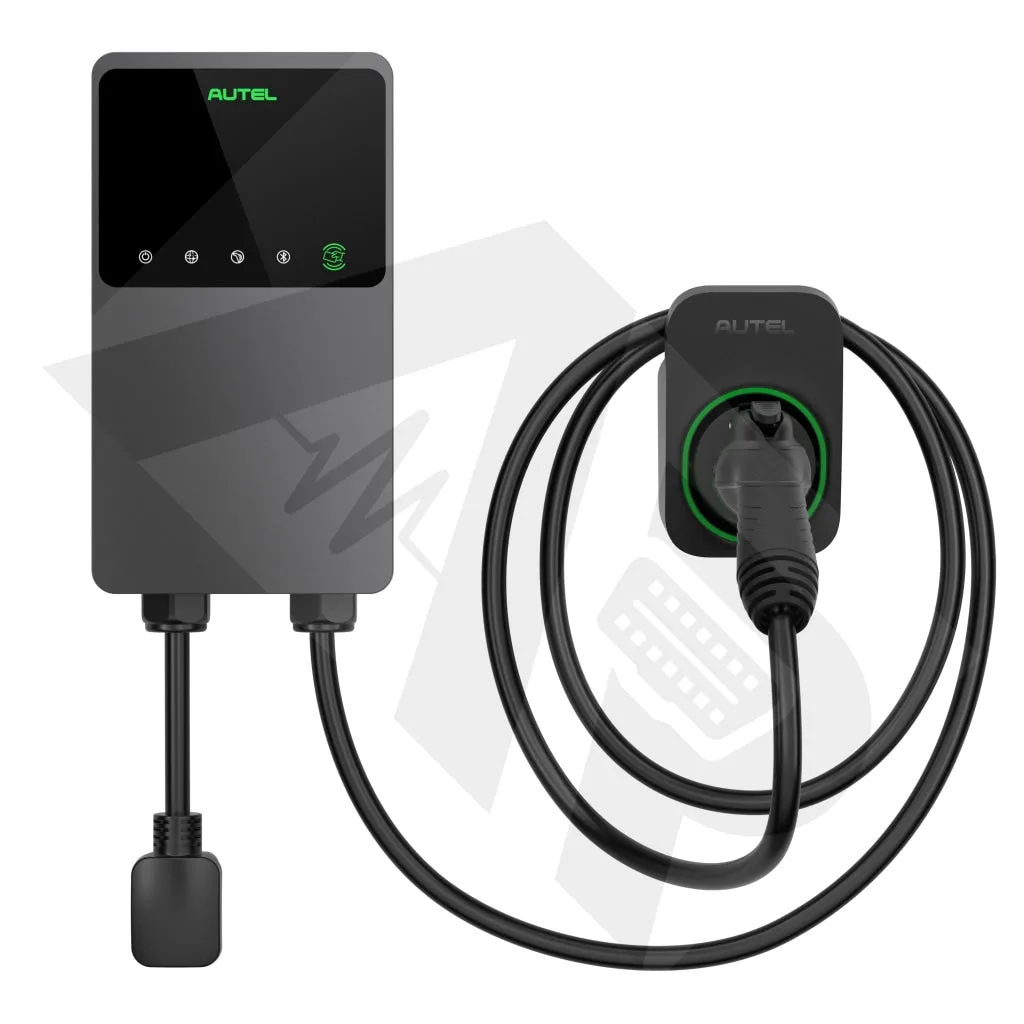
Autel MaxiCharger Home 40A Review: Solid Value With NACS Built In
In-depth review of the Autel MaxiCharger Home 40A EV charger. We test its adjustable 16-40A output, NACS support, app features, and 25-foot cable.
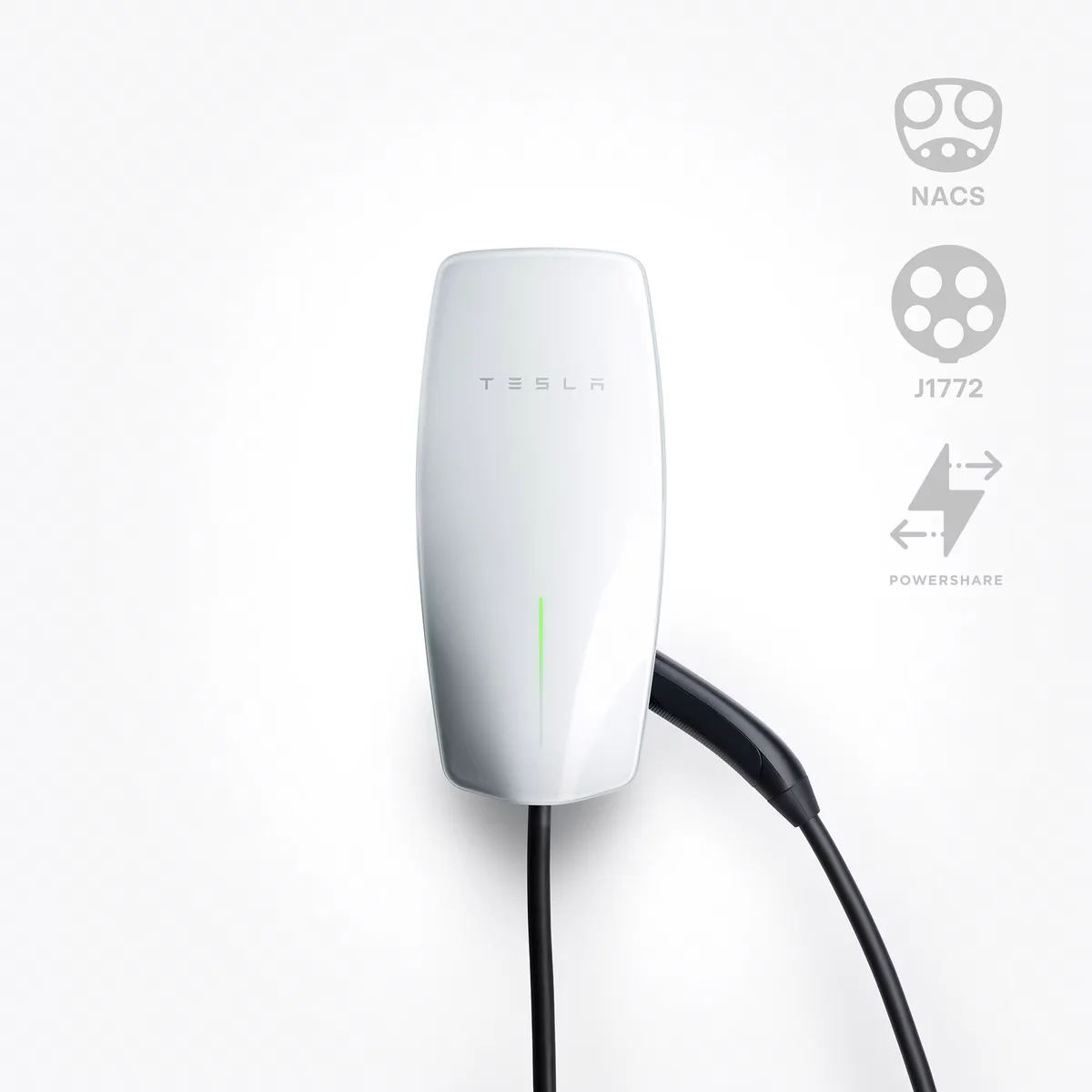
Best EV Charger for Tesla in 2026: 5 Picks for Every Budget
The 5 best EV chargers for Tesla in 2026. From the Tesla Wall Connector to budget picks, find the right charger for your Model 3, Y, S, or X.
Tesla Universal Wall Connector Review: Worth It for Non-Tesla Drivers Too?
In-depth review of the Tesla Universal Wall Connector. We cover its 48A output, NACS + J1772 compatibility, 24-foot cable, Wi-Fi updates, and 4-year warranty.