Anker SOLIX RS40P vs EcoFlow PowerStream: Which Balcony Solar System Wins?
Head-to-head comparison of the Anker SOLIX RS40P and EcoFlow PowerStream balcony solar systems. We break down specs, features, and value.
As an affiliate, we earn from qualifying purchases. This does not affect our editorial independence.
Pros
- ✓Anker offers better panel efficiency (22.7% vs ~21%)
- ✓Anker has longer warranty (15+30yr vs 10yr)
- ✓EcoFlow uniquely stores excess solar in portable power stations
- ✓Both systems offer plug-and-play Schuko installation
Cons
- ✗EcoFlow's battery storage requires separate power station purchase
- ✗Anker's MI80 starts at 600W (needs OTA update for 800W)
- ✗Neither system includes mounting brackets in base package
Head-to-Head Comparison
| Anker SOLIX RS40POur Pick | EcoFlow PowerStream | |
|---|---|---|
| systemWattage | 890Wp (2 × 445W panels) | — |
| panelType | N-Type IBC Monocrystalline | — |
| panelEfficiency | 22.7% | — |
| microinverter | MI80, 600W (OTA upgradeable to 800W) | — |
| gridConnection | Schuko plug (plug-and-play) | Schuko plug |
| ipRating | IP68 (panels) / IP67 (inverter) | IP67 |
| Warranty | 15-year product / 30-year performance | 10 years |
| microinverterOutput | — | 800W AC output |
| maxPvInput | — | 800W (2 × 400W) |
| mpptControllers | — | 2 (dual MPPT) |
| operatingTemp | — | -40°C to +50°C |
| Check Price | Check Price |
The Anker SOLIX RS40P and EcoFlow PowerStream are two of the most popular balcony solar systems available right now, but they take very different approaches. Anker focuses on raw panel efficiency and long-term value, while EcoFlow brings a unique battery storage integration that no other balcony system offers. Here's how they stack up across every category that matters.
Why Compare the Anker SOLIX RS40P and EcoFlow PowerStream?
Balcony solar has exploded in popularity, especially in Europe where plug-and-play systems let apartment dwellers generate their own electricity with zero installation hassle. If you're shopping for a balcony solar system in 2026, these two names keep coming up.
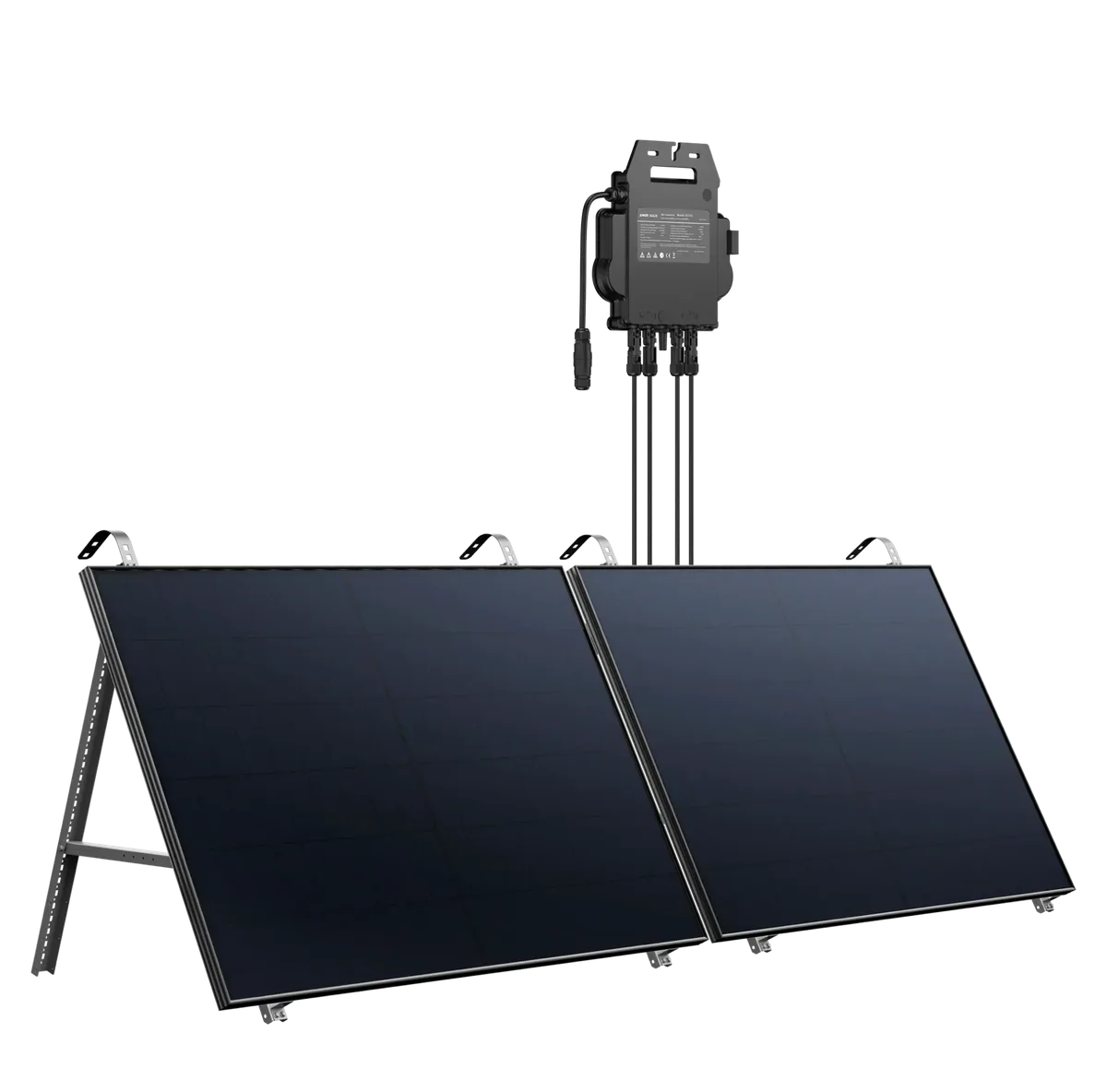
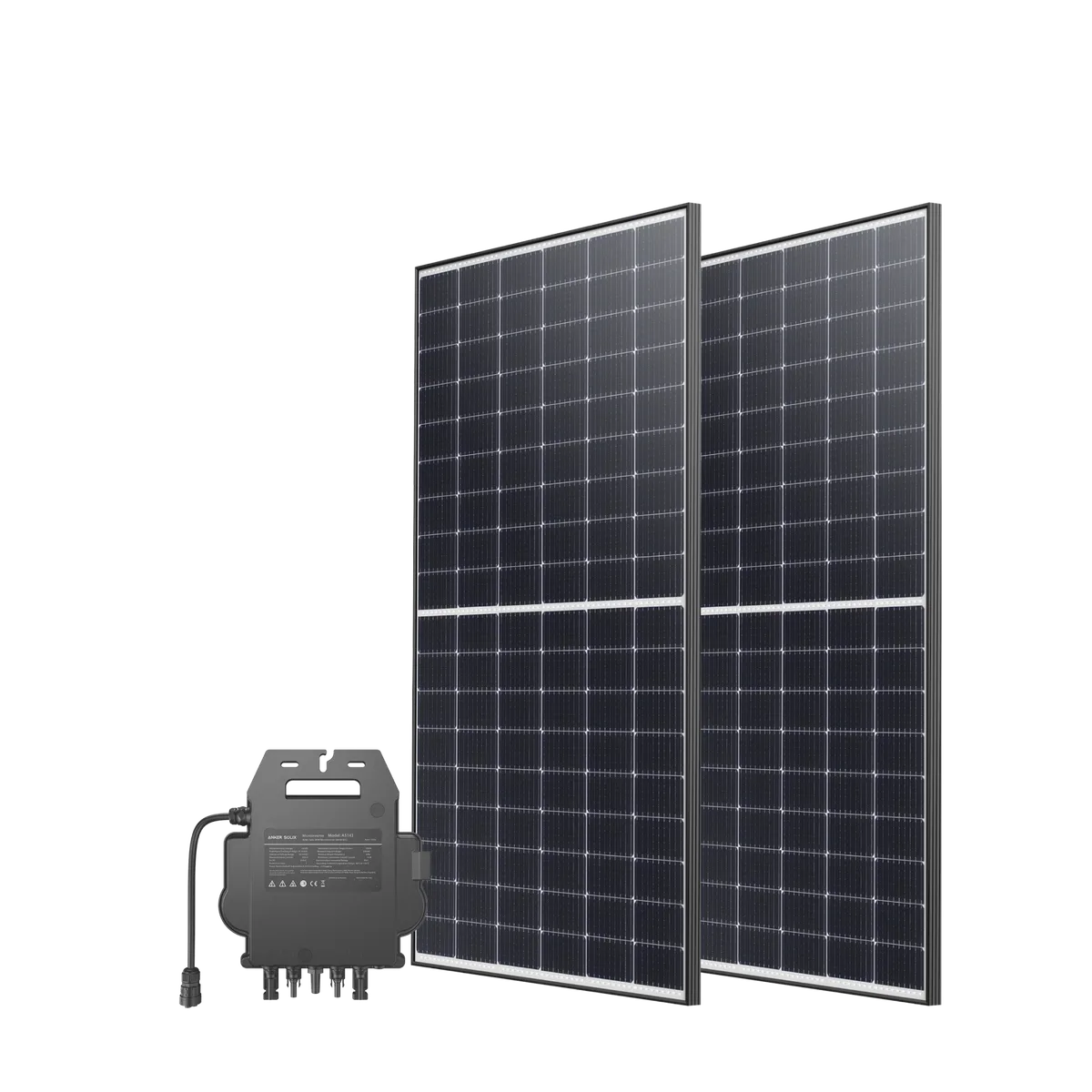
The Anker SOLIX RS40P pairs high-efficiency N-Type IBC panels with the MI80 microinverter, delivering up to 890Wp from just two panels. The EcoFlow PowerStream takes a different angle: its microinverter can route excess solar energy into an EcoFlow portable power station for later use, something no competitor has replicated.
Both use Schuko plug-and-play connections. Both work with companion apps for monitoring. But they differ significantly in panel technology, warranty coverage, smart features, and long-term value. Let's break it down.
How Do the Specs Compare Side by Side?
| Spec | Anker SOLIX RS40P | EcoFlow PowerStream |
|---|---|---|
| System Wattage | 890Wp (2 × 445W) | Up to 800W PV input (2 × 400W) |
| Panel Type | N-Type IBC Monocrystalline | Varies (sold separately or bundled) |
| Panel Efficiency | 22.7% | ~21% (with EcoFlow 400W panels) |
| Microinverter Output | 600W (OTA upgradeable to 800W) | 800W |
| MPPT Controllers | 2 | 2 (dual MPPT) |
| Grid Connection | Schuko plug | Schuko plug |
| IP Rating | IP68 (panels) / IP67 (inverter) | IP67 |
| Operating Temp | -20°C to +45°C | -40°C to +50°C |
| Battery Integration | No | Yes (EcoFlow power stations) |
| Warranty | 15-year product / 30-year performance | 10 years |
The numbers tell a clear story: Anker leads on panel specs and warranty, while EcoFlow's standout feature is battery storage integration.
Which System Has Better Panels?
Winner: Anker SOLIX RS40P
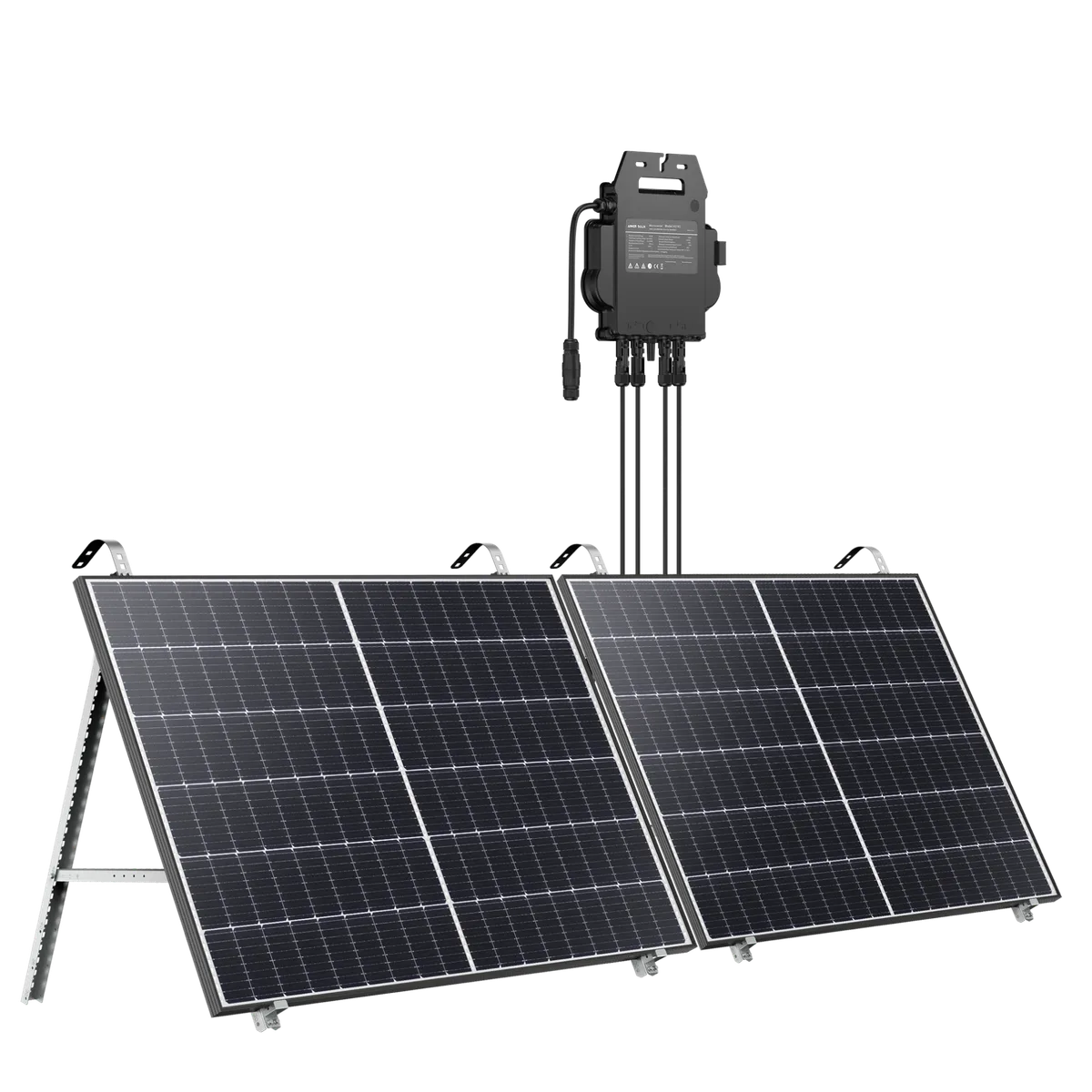
Anker's RS40P uses N-Type IBC (Interdigitated Back Contact) monocrystalline cells, which represent the latest advancement in consumer solar panels. At 22.7% efficiency, these panels squeeze more power from each square foot of sunlight than the standard PERC or TOPCon cells found in most balcony systems.
The practical difference? Each RS40P panel is rated at 445W, giving the two-panel system a combined 890Wp. That's roughly 11% more peak wattage than EcoFlow's standard 2 × 400W configuration. Over a full year, that efficiency gap translates to measurably higher energy production, especially in partial shade or during overcast conditions where high-efficiency cells maintain better output.
EcoFlow sells the PowerStream microinverter separately or bundled with their own rigid or flexible panels. Their 400W rigid panels use TOPCon cells at roughly 21% efficiency. They're solid panels, but they don't match the RS40P's raw performance per square meter.
How Do the Microinverters Differ?
Winner: Depends on your priorities
The Anker MI80 ships at 600W output and can be upgraded to 800W via an over-the-air firmware update. This matters in Germany, where balcony solar systems were previously capped at 600W but the limit has been raised to 800W. Anker's approach lets you buy now and upgrade later without swapping hardware.
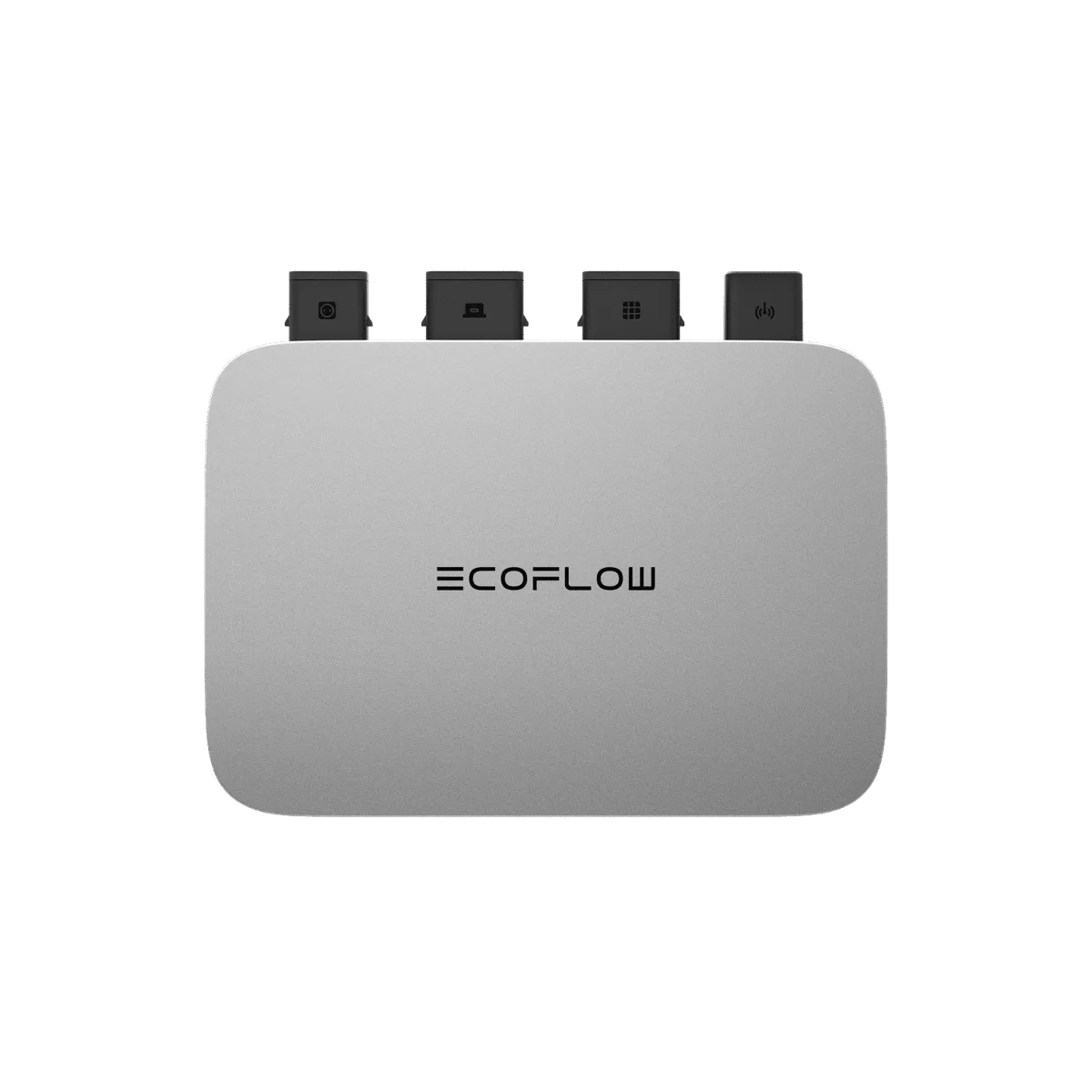
The EcoFlow PowerStream microinverter starts at 800W output from day one and supports dual MPPT tracking, meaning it optimizes each panel's output independently. This helps when one panel gets more shade than the other.
But EcoFlow's real differentiator is battery storage. The PowerStream can detect when your home isn't consuming all the solar power being generated and automatically route the excess into a connected EcoFlow power station (like the DELTA 2 Max or DELTA Pro). When the sun goes down, the stored energy feeds back into your home through the same microinverter.
No other balcony solar system on the market offers this feature. If you already own an EcoFlow portable power station, the PowerStream turns it into a home battery system. That's a compelling proposition.
What About App Features and Smart Controls?
Both systems come with polished companion apps for real-time monitoring, daily/monthly production tracking, and system diagnostics.
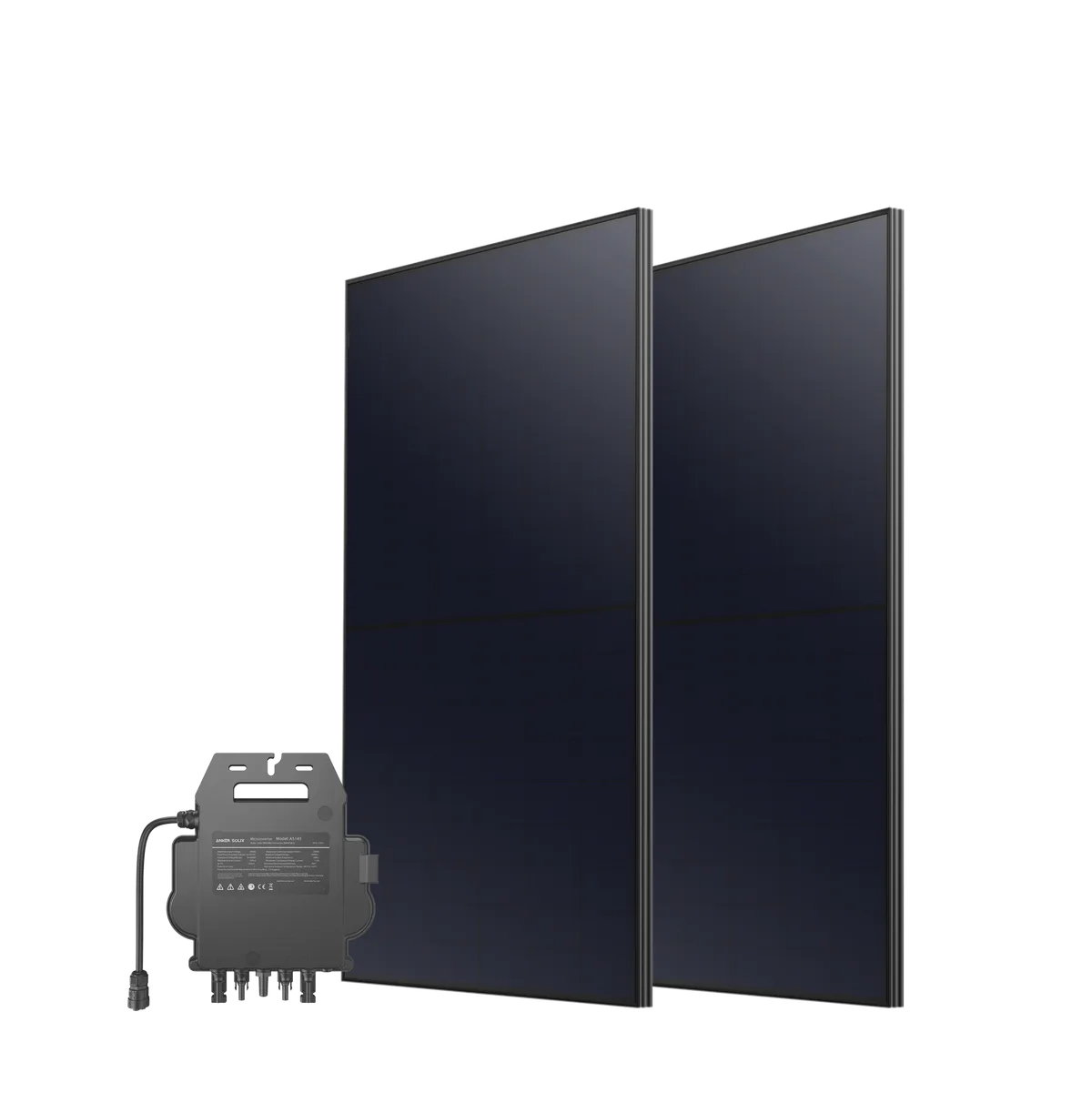
The Anker app provides clear production data, panel-level monitoring, and the OTA firmware update functionality for the MI80 inverter. It's straightforward and reliable.
The EcoFlow app goes further with its Smart Home Panel integration, battery charge scheduling, and time-of-use optimization. You can set rules like "charge the battery from 11am to 3pm, then discharge from 6pm to 10pm." For users with the battery storage setup, this level of control adds real value.
For a basic balcony solar setup without battery storage, both apps are more than adequate. The EcoFlow app pulls ahead only when you're using the full ecosystem with battery integration.
Which Offers Better Long-Term Value?
Winner: Anker SOLIX RS40P
Warranty tells you a lot about how confident a manufacturer is in their product. Anker offers a 15-year product warranty and a 30-year performance guarantee on the RS40P panels. That's exceptional for the balcony solar category and puts the RS40P on par with premium residential rooftop panels.
EcoFlow provides a 10-year warranty on the PowerStream system. That's respectable, but it's five years shorter on product coverage and doesn't include the 30-year performance guarantee that Anker provides.
On pricing, the two systems land in a similar range when comparing panel-plus-inverter bundles. But Anker's higher panel wattage (890Wp vs 800Wp) means you're getting more generating capacity per dollar. Over a 15 to 20 year lifespan, that efficiency advantage compounds into meaningfully higher lifetime energy production.
The exception: if you factor in the value of battery storage, EcoFlow's total system cost looks more competitive. Storing excess solar for evening use can offset additional grid electricity purchases, especially with rising utility rates. You will need to purchase an EcoFlow power station separately, though, which adds $500 to $2,000+ to the total cost.
Who Should Buy Which System?
Choose the Anker SOLIX RS40P if:
- You want the highest-efficiency panels available for balcony solar
- Long warranty coverage (15+30 years) matters to you
- You want a straightforward plug-and-play system without extra complexity
- You're optimizing for maximum energy production per panel
Choose the EcoFlow PowerStream if:
- You already own an EcoFlow power station (DELTA 2, DELTA 2 Max, DELTA Pro)
- Storing excess solar for evening use is important to you
- You want the most advanced app controls and scheduling features
- You value the wider operating temperature range (-40°C to +50°C)
For most balcony solar buyers, the Anker SOLIX RS40P is the better overall pick. It delivers higher efficiency, more wattage, and a significantly longer warranty at a competitive price. But if battery storage integration is your priority and you're already in the EcoFlow ecosystem, the PowerStream offers something genuinely unique that no competitor matches.
Check out our full best balcony solar systems for 2026 roundup for more options, or read our detailed EcoFlow PowerStream review for a deeper look at the battery integration features.
Frequently Asked Questions
Can the Anker SOLIX RS40P store excess solar energy?
No. The RS40P is a grid-feed-only system. All generated solar power goes directly into your home's electrical circuit through the Schuko plug. Any power your home doesn't consume at that moment flows back to the grid. Unlike the EcoFlow PowerStream, there is no option to connect a battery for storage.
Is the EcoFlow PowerStream worth it without a battery?
Yes, but you lose the main differentiator. Without battery storage, the PowerStream functions as a standard balcony solar microinverter. It still works well, with dual MPPT and 800W output, but at that point, the Anker RS40P offers better value with higher-efficiency panels and a longer warranty.
Do I need an electrician to install either system?
No. Both systems use Schuko plug-and-play connections, which means you plug them into a standard household outlet. In Germany and most EU countries, balcony solar systems up to 800W do not require professional installation or permits. You will need to register the system with your grid operator, which is a simple online form in most cases.
How much electricity can a balcony solar system actually produce?
A well-positioned 800-900Wp balcony system in Central Europe typically produces 600 to 900 kWh per year, depending on orientation, tilt, and local weather. In southern regions with more sun hours, output can reach 1,000+ kWh annually. At current electricity prices (around 0.30-0.40 EUR/kWh in Germany), that translates to roughly 200 to 350 EUR in annual savings.
Can I use the EcoFlow PowerStream with non-EcoFlow panels?
Yes. The PowerStream microinverter accepts standard MC4 solar panel connections, so you can pair it with third-party panels up to 400W per input (800W total). However, you won't get panel-level monitoring through the EcoFlow app with non-EcoFlow panels, and you'll need to verify the voltage and current specifications are within the microinverter's input range.
As an affiliate, we earn from qualifying purchases. This does not affect our editorial independence.
Get Notified When Prices Drop
Join our newsletter for exclusive deal alerts, product comparisons, and energy-saving tips.
What Real Users Say
“Went with the Anker SOLIX for the better panel efficiency and longer warranty. The IBC cells are genuinely impressive.”
“The PowerStream's battery storage is a game-changer if you already own an EcoFlow station. Nothing else on the market does this.”
As an affiliate, we earn from qualifying purchases. This does not affect our editorial independence.
Related Articles
Best Balcony Solar Kits for Apartments in 2026
The best plug-and-play balcony solar kits for apartment dwellers. We compare top systems from EcoFlow, Anker, Priwatt, Yuma, and Green Solar.
Yuma Basic 800 vs. Green Solar 800W: Which Balcony Solar Kit Wins?
Yuma Basic 800 or Green Solar 800W? We compare both balcony solar kits: panels, microinverter, monitoring, warranty, and value in a direct head-to-head.
3 Best Balcony Solar Systems in 2026: Plug-In Solar Power for Apartments
The 3 best balcony solar systems for 2026. We compare the Anker SOLIX RS40P, EcoFlow PowerStream, and Priwatt priBalcony Duo on specs, value, and ease of setup.