3 Best Balcony Solar Systems in 2026: Plug-In Solar Power for Apartments
The 3 best balcony solar systems for 2026. We compare the Anker SOLIX RS40P, EcoFlow PowerStream, and Priwatt priBalcony Duo on specs, value, and ease of setup.
As an affiliate, we earn from qualifying purchases. This does not affect our editorial independence.
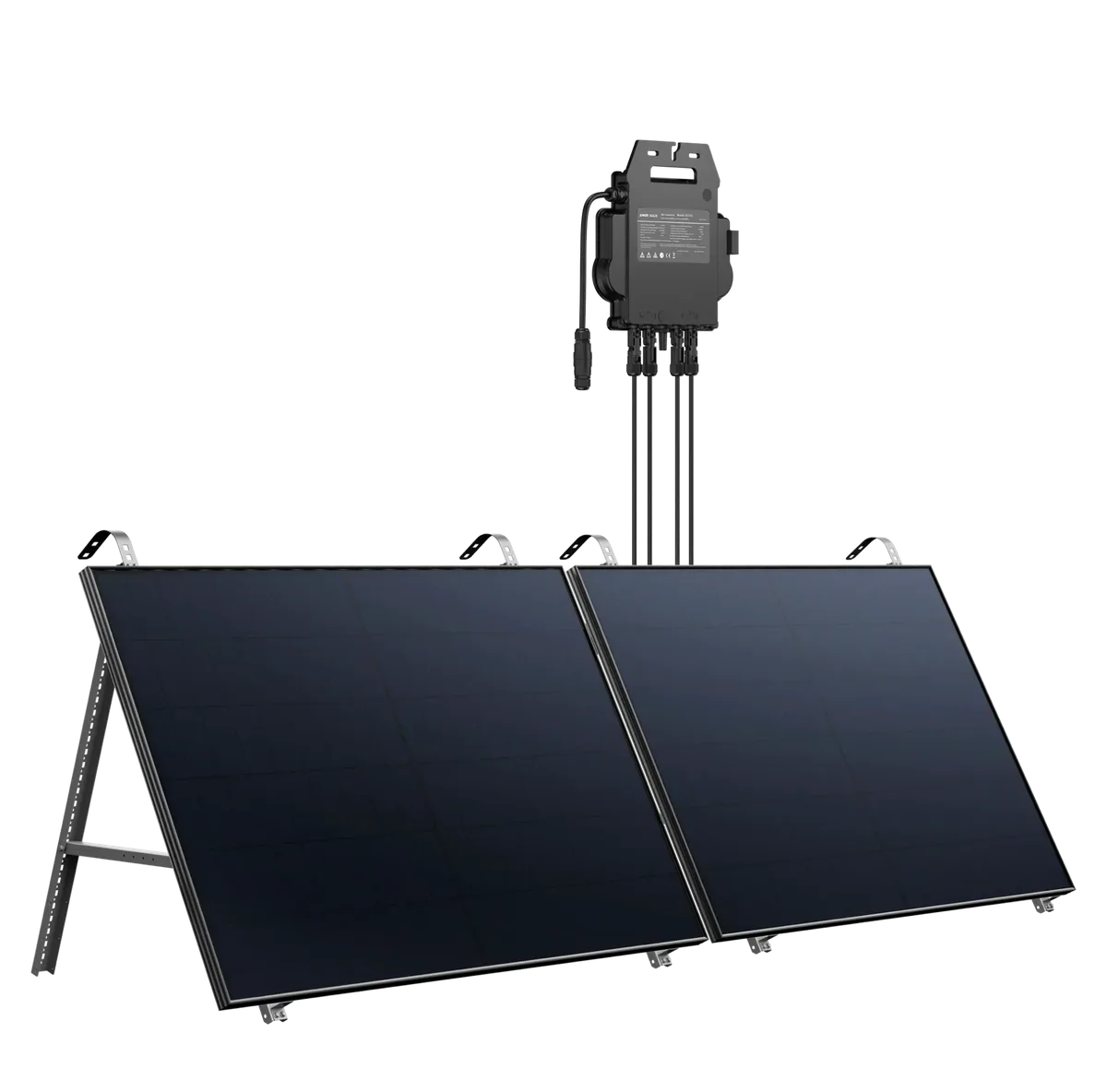
Our 3 best balcony solar systems for 2026: Anker SOLIX RS40P (best overall), EcoFlow PowerStream (best for battery storage), and Priwatt priBalcony Duo (best raw power). All three are plug-and-play kits that mount on a balcony railing, plug into a standard outlet, and start feeding solar energy directly into your home grid.
Balcony solar is one of the fastest-growing segments in residential energy. In Germany, where these systems are called "Balkonkraftwerke" (balcony power plants), over two million households have already installed one. The concept is simple: two solar panels mount to your balcony railing or wall, connect to a small microinverter, and plug into a regular wall outlet. The inverter feeds power directly into your home circuit, offsetting whatever electricity you are consuming in real time.
No electrician needed. No permits in most cases. Just plug it in and watch your electricity bill shrink.
The best part? This is not limited to Germany. Balcony solar works anywhere you have a south-facing (or east/west-facing) balcony, terrace, or even a flat roof section. Renters and apartment dwellers finally have a real path to generating their own power.
We tested the three top-performing systems available in 2026. Here is how they stack up.
Quick Comparison: All 3 Systems at a Glance
| Feature | Anker SOLIX RS40P | EcoFlow PowerStream | Priwatt priBalcony Duo |
|---|---|---|---|
| System Wattage | 890Wp (2 x 445W) | 800Wp (2 x 400W) | 900Wp (2 x 450W bifacial) |
| Inverter Output | 600W (upgradeable to 800W) | 800W | 800W |
| Panel Type | N-Type IBC Mono | Standard Mono | Bifacial |
| Panel Efficiency | 22.7% | ~21% | ~22% |
| IP Rating | IP68/IP67 | IP67 | IP67 |
| Grid Connection | Schuko plug | Schuko plug | Schuko or Wieland |
| Battery Option | No | Yes (Delta series) | No |
| Warranty | 15yr product + 30yr performance | 10yr product | 30yr performance |
| Best For | Overall value | Smart home + storage | Maximum output |
Browse all balcony solar products in our balcony solar category.
1. Anker SOLIX RS40P: Best Overall Balcony Solar System
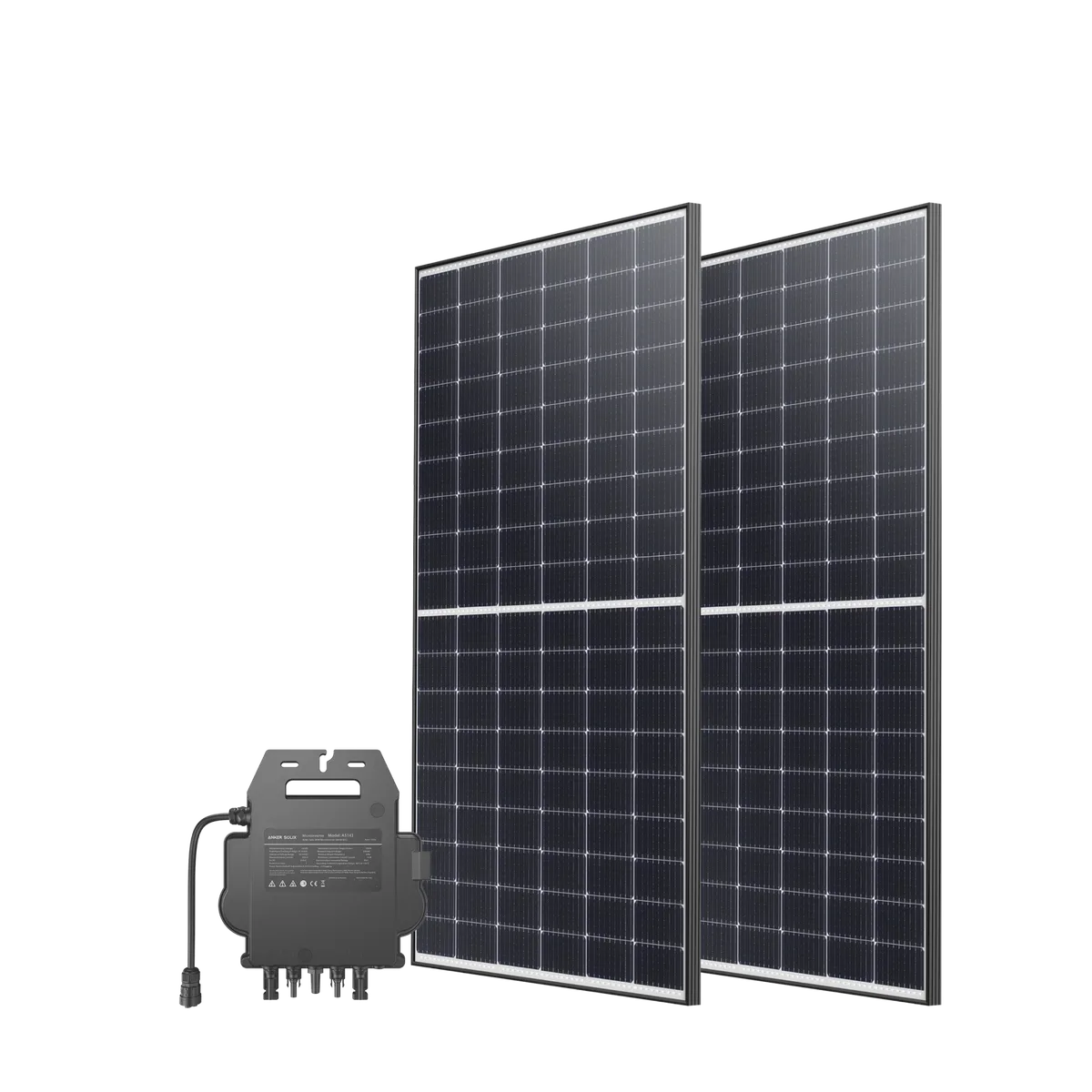
The Anker SOLIX RS40P is the system we recommend to most people. It delivers the best balance of panel quality, warranty coverage, and long-term value.
What makes it stand out:
- Two 445W N-Type IBC monocrystalline panels produce 890Wp total, among the highest output per panel in this class
- 22.7% panel efficiency means strong performance even on partly cloudy days and in limited balcony space
- The MI80 microinverter ships at 600W but can be upgraded to 800W via a free over-the-air firmware update (once local regulations allow it)
- IP68-rated panels and IP67-rated inverter handle rain, snow, and temperature swings without issue
- Schuko plug connection: literally plug it into any outdoor outlet
The warranty is a major differentiator. Anker offers 15 years on the product and 30 years on panel performance, according to Anker's official product page. That is the longest combined warranty in this roundup by a wide margin.
The trade-off: No battery storage option. The RS40P feeds power into your home grid in real time, so any excess generation during peak sun hours goes unused (or feeds back to the grid, depending on your meter type). If storage matters to you, look at the EcoFlow PowerStream below.
Price: Approximately $799-899 for the complete kit.
For a detailed head-to-head, see our Anker SOLIX RS40P vs EcoFlow PowerStream comparison.
2. EcoFlow PowerStream: Best for Battery Storage Integration
The EcoFlow PowerStream is the only balcony solar system that integrates directly with a home battery. That makes it uniquely powerful for anyone who wants to store daytime solar energy and use it at night.
What makes it stand out:
- 800W microinverter with dual MPPT tracking optimizes output from each panel independently
- Pairs with EcoFlow Delta portable power stations or the PowerStream battery add-on to store excess solar energy
- Works from -40°C to +50°C, the widest operating temperature range in this roundup
- The EcoFlow app provides real-time monitoring of generation, consumption, and battery charge
- Smart scheduling lets you prioritize self-consumption, battery charging, or grid feed-in
According to EcoFlow's PowerStream specifications, the system supports up to 800W of PV input across two panels. The dual MPPT architecture means partial shading on one panel will not drag down the other.
The trade-off: The 10-year warranty is shorter than both competitors. And the battery storage capability, while genuinely unique, adds significant cost to the total system. If you just want panels on your balcony without battery complexity, the Anker RS40P or Priwatt are simpler choices.
Price: Approximately $649-799 for the inverter plus panels, $1,200-1,800 with battery.
Which System Has the Most Raw Power?
3. Priwatt priBalcony Duo: Best for Maximum Output
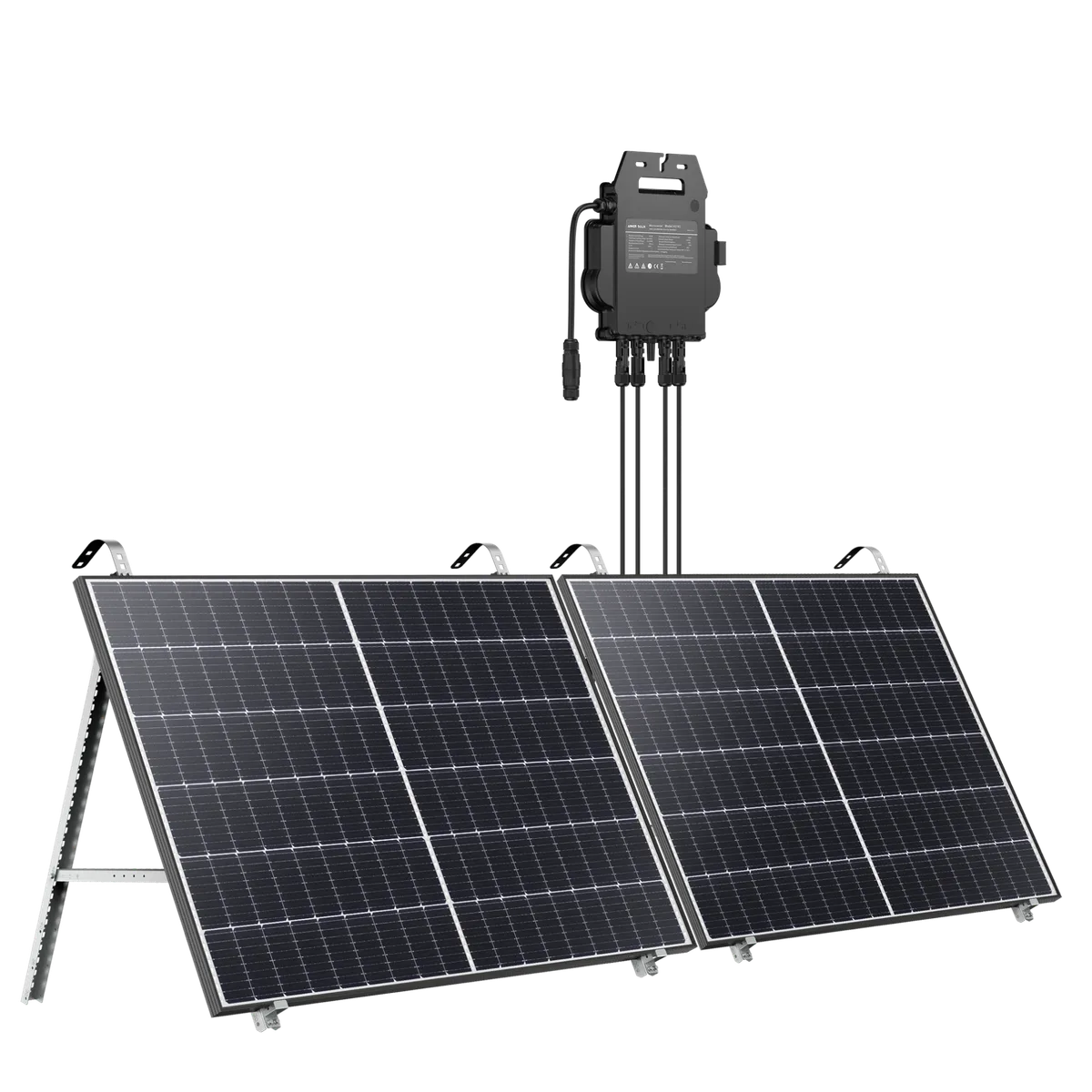
The Priwatt priBalcony Duo pushes the highest system wattage in this roundup at 900Wp, and its bifacial panels can capture reflected light from the back side for even more production.
What makes it stand out:
- Two 450Wp bifacial panels generate power from both sides, boosting output by 5-15% in the right conditions (light-colored balcony floors or walls help)
- The FoxESS M1-800-E inverter delivers a full 800W right out of the box, no firmware update needed
- 70-degree fixed tilt angle is optimized for balcony railing mounting
- Offers both Schuko (plug-and-play) and Wieland (hardwired) connection options
- 30-year performance warranty on the panels
If you have a south-facing balcony with a light-colored surface behind the panels, the bifacial advantage is real. On a dark north-facing balcony, the benefit is minimal.
The trade-off: Priwatt is primarily a German brand, so availability and support outside of Germany and the EU can be limited. The 70-degree fixed tilt works well for railing mounts but is not adjustable for wall or flat-surface installations.
Price: Approximately $750-850 for the complete kit.
How They Compare
All three systems solve the same problem: generating solar power from a balcony without an electrician. But they target slightly different priorities.
Choose the Anker SOLIX RS40P if you want the safest long-term investment. The 15+30 year warranty and high-efficiency IBC panels make it the "set and forget" option. It is also the most widely available internationally.
Choose the EcoFlow PowerStream if you want to store excess solar energy in a battery for nighttime use. No other balcony system offers this. If you already own an EcoFlow Delta power station, the PowerStream turns it into a home solar battery.
Choose the Priwatt priBalcony Duo if you want maximum wattage and you are in Germany or the EU. The bifacial panels and 800W-ready inverter squeeze out every possible watt, and the Wieland connection option is preferred by some German landlords and housing associations.
For most buyers, the Anker SOLIX RS40P hits the sweet spot. But there is no wrong choice here. All three systems pay for themselves within 3-5 years through electricity savings.
Do Balcony Solar Systems Really Save Money?
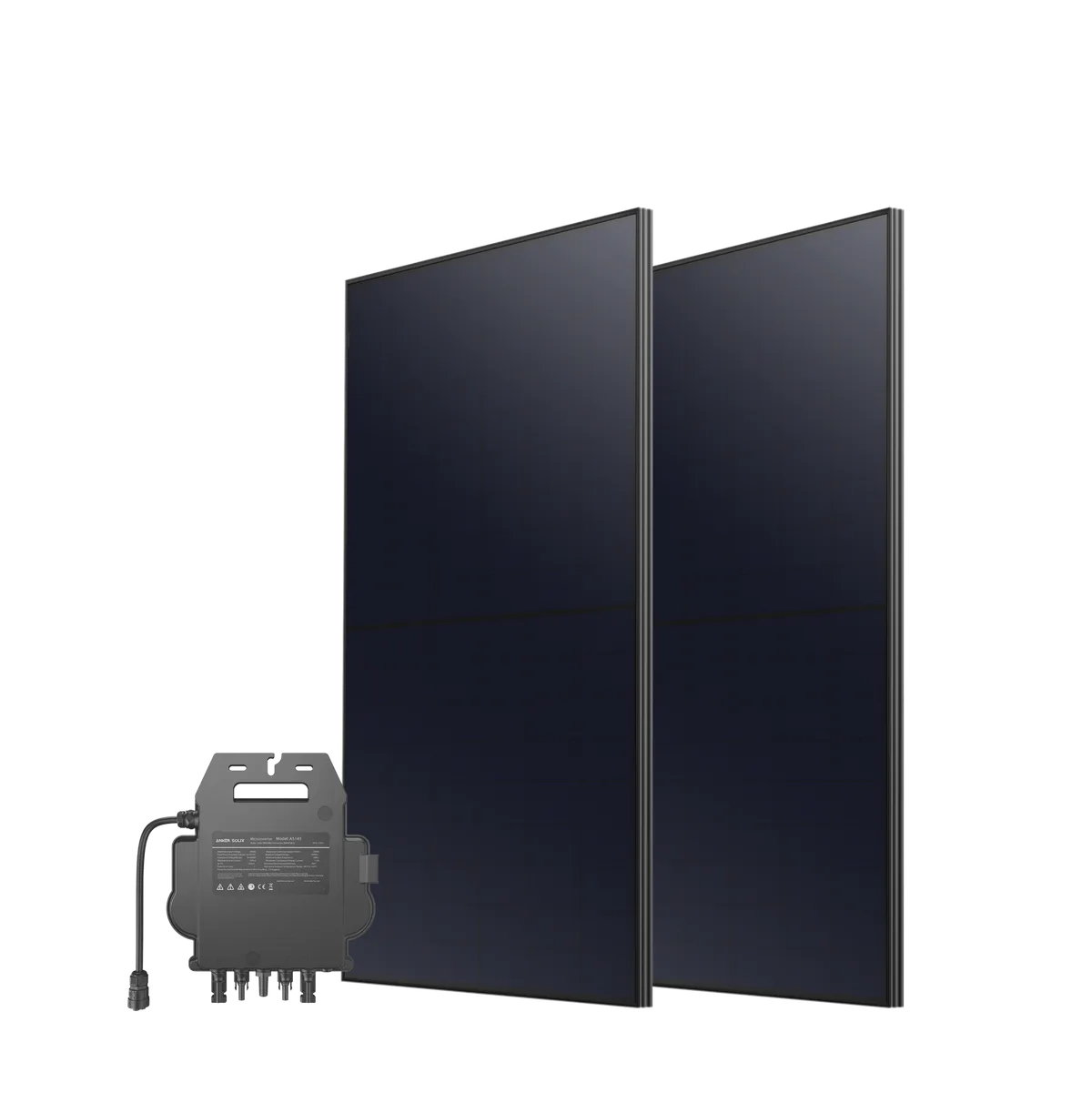
Yes. A typical 800W balcony solar system in a location with decent sun exposure generates 600-900 kWh per year. At average U.S. electricity rates of $0.16/kWh, that is $96-144 in annual savings. In Germany, where electricity costs over €0.30/kWh, annual savings reach €180-270 or more.
Most systems pay for themselves in 3-5 years, then generate free electricity for decades afterward. The panels in this roundup carry 25-30 year performance warranties.
Can You Install Balcony Solar in an Apartment?
In most cases, yes. Balcony solar systems are designed specifically for renters and apartment dwellers. In Germany, the 2024 "Solarpaket I" law explicitly protects tenants' right to install balcony solar. In the U.S., many states have similar solar access laws, though you should check your lease and local regulations.
The installation is non-destructive. Panels clamp to existing railings, and the system plugs into a standard outlet. When you move, you take it with you.
Frequently Asked Questions
How much electricity does a balcony solar system produce per day?
A two-panel system (800-900Wp) typically generates 2-4 kWh per day in summer and 0.5-1.5 kWh per day in winter, depending on your location, orientation, and weather. South-facing balconies in sunny climates will hit the upper end of that range.
Do I need permission from my landlord to install balcony solar?
This depends on your location. In Germany, landlords cannot unreasonably refuse balcony solar installations as of 2024. In the U.S. and other countries, check your lease for exterior modification clauses. The good news: most balcony solar mounts are clamp-based and leave no permanent marks.
What happens to excess electricity my balcony solar produces?
If your home is consuming less power than the panels generate, the excess flows back through your meter. With a modern bidirectional meter, you may receive credit for this (net metering). With older meters, the excess is effectively donated to the grid. This is why the EcoFlow PowerStream's battery option can be valuable: it stores excess power for later use instead of sending it to the grid.
Are balcony solar panels safe in strong wind?
All three systems in this roundup carry IP67 or IP68 ratings and are tested for wind loads. Proper mounting hardware (included with each kit) is rated for typical balcony conditions. In extreme storms or hurricane-force winds, it is wise to temporarily bring lightweight panels indoors or secure them with additional fasteners. Always follow the manufacturer's installation guidelines.
Can I expand a balcony solar system later?
Most balcony solar systems are limited to two panels by the microinverter's capacity and local regulations (typically 600W or 800W feed-in limits). However, some systems like the Anker SOLIX RS40P allow firmware upgrades to increase inverter output as regulations evolve. For larger installations beyond balcony scale, you would typically move to a rooftop system with a separate inverter.
As an affiliate, we earn from qualifying purchases. This does not affect our editorial independence.
Get Notified When Prices Drop
Join our newsletter for exclusive deal alerts, product comparisons, and energy-saving tips.
As an affiliate, we earn from qualifying purchases. This does not affect our editorial independence.
Related Articles
Best Balcony Solar Kits for Apartments in 2026
The best plug-and-play balcony solar kits for apartment dwellers. We compare top systems from EcoFlow, Anker, Priwatt, Yuma, and Green Solar.
Yuma Basic 800 vs. Green Solar 800W: Which Balcony Solar Kit Wins?
Yuma Basic 800 or Green Solar 800W? We compare both balcony solar kits: panels, microinverter, monitoring, warranty, and value in a direct head-to-head.
Anker SOLIX RS40P vs EcoFlow PowerStream: Which Balcony Solar System Wins?
Head-to-head comparison of the Anker SOLIX RS40P and EcoFlow PowerStream balcony solar systems. We break down specs, features, and value.